Alina Habba: The Rise and Fall of Trump’s Iraqi-American Lawyer from Private Practice to Disqualified U.S. Attorney
How Alina Habba’s journey from immigrant-roots to controversial federal prosecutor highlights the tensions in U.S. justice and politics.
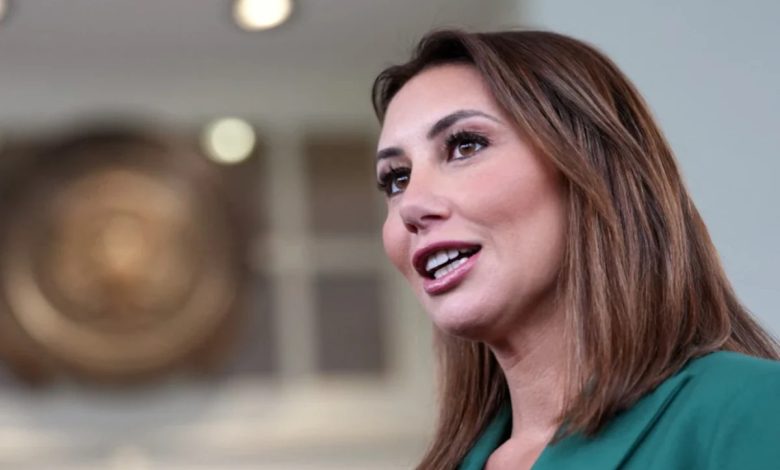
Alina Habba has become one of the most polarizing legal figures in contemporary American politics — a lawyer whose rapid rise, fierce loyalty to Donald J. Trump, and dramatic fall from federal office have kept her at the center of national headlines. Born to Iraqi immigrant parents and once a relatively unknown New Jersey attorney, Habba transformed herself into a high-profile media personality, a political insider, and ultimately Trump’s most visible legal defender.
But in 2025, her ascent collided with the weight of U.S. legal institutions when a federal appeals court disqualified her appointment as U.S. Attorney for New Jersey, declaring the move unlawful. Her story is not just about one lawyer’s ambition — it is a window into the deeper struggles over power, legitimacy, and the rule of law in the United States today.
Early life and Background
-
Alina Saad Habba was born on March 25, 1984, in Summit, New Jersey — the daughter of immigrant parents from Iraq belonging to the Chaldean Catholic community.
-
Her father, Saad F. Habba, is reported to be a well-known gastroenterologist.
-
Education: she earned a bachelor’s degree from Lehigh University, then went on to study law at Widener University Commonwealth Law School, after which she was admitted to the bar (in New Jersey) around 2010.
Legal Career: From Private Practice to High-Profile Lawyer
-
Habba began her legal career as a law clerk, then worked as an associate at a law firm, before becoming a partner at Sandelands Eyet LLP (2013–2020). In 2020, she founded her own firm — Habba, Madaio & Associates LLP — with offices in Bedminster, New Jersey, and Manhattan, New York.
-
She is licensed to practice in New Jersey, New York, and Connecticut, and has handled civil suits including class-action and consumer-fraud lawsuits.
Rise to Prominence: Representing Donald J. Trump
-
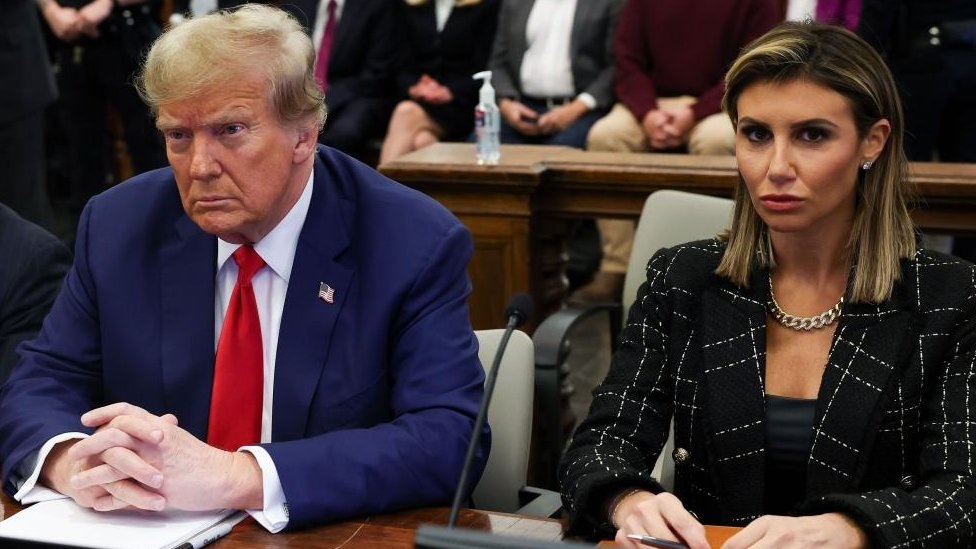
From 2021 onward, Habba became a legal spokesperson for Trump and a senior advisor to his political action committee, MAGA, Inc..
-
She represented Trump in high-stakes civil and defamation lawsuits — including asset-valuation disputes and other suits — defending him publicly and in court.
-
In 2025, she briefly served as a senior counselor to Trump (after he returned to office), before being appointed interim — then acting — U.S. Attorney for the District of New Jersey.
Appointment as U.S. Attorney and Legal Challenges
-
On March 28, 2025, Trump tapped her as interim U.S. Attorney for New Jersey, replacing the prior U.S. Attorney.
-
On July 24, 2025, she was designated acting U.S. Attorney.
-
However — and importantly — on December 1, 2025, a federal appeals court (the Third Circuit) ruled that her appointment was unlawful: the court found that the administration bypassed required Senate confirmation and thus disqualified her from continuing to serve.
-
The ruling casts doubt on the legitimacy of prosecutions she initiated while in office.
Public Persona, Lifestyle and Image
-
Beyond her legal work, Habba is known for a glamorous personal image: she frequently shares lifestyle and luxury-oriented photos on social media, reportedly including extravagant parties and accessories.
-
She has drawn both criticism and attention for projecting a media-savvy, outspoken public persona, which some critics argue distracts from legal professionalism.
Controversies & Criticisms
-
Courts have sanctioned Habba for filing “frivolous” lawsuits — notably a lawsuit against prominent political figures which was dismissed and resulted in fines.
-
Her appointment as U.S. Attorney has sparked concerns about politicization of the Justice Department and bypassing institutional safeguards (Senate confirmation).
-
Her role as a close Trump ally, combined with her social-media presence and personal branding, has drawn negative attention from critics who argue her public image undermines the gravity of her legal and prosecutorial responsibilities.
Why Alina Habba Matters: Implications for U.S. Politics and Justice
-
Symbol of Institutional Pushback: The recent ruling disqualifying her as U.S. Attorney highlights tensions between executive ambitions and institutional checks (Senate confirmation, judicial oversight). Her case may set precedent for how future politically-aligned appointments are reviewed.
-
Mix of Media, Law, and Politics: Habba represents a growing trend in U.S. — lawyers who blur the lines between legal advocacy, political campaigning, and personal branding, raising questions about impartiality, ethics, and the role of courtroom lawyers in partisan politics.
-
Impact on Legal Cases: The disqualification may destabilize numerous cases launched by her office, possibly leading to re-filings or dismissals — affecting both prosecutors and defendants in New Jersey.
-
Representation and Identity Politics: As a first-generation Arab-American of Iraqi Christian heritage, Habba embodies a minority-American success story. Her prominence raises complex questions about assimilation, identity, representation, and how minority backgrounds intersect with partisanship and public office.
Conclusion
Alina Habba is not just another lawyer — she is a controversial figure whose career reflects broader transformations in American politics, justice, and media. From a private-practice attorney to a central figure in the orbit of a former and future U.S. president, her trajectory demonstrates how legal expertise, political loyalty, and media-savviness can combine to reshape public institutions.
At the same time, her disqualification as U.S. Attorney underscores the resilience of legal safeguards aimed at preventing unchecked politicization of justice. Whether history views her as a trailblazer, a symptom of erosion in institutional norms, or something in between remains to be seen — but her influence on the ongoing struggle over power, accountability, and rule of law is undeniable.