The Rising Muslim Presence in New Hampshire: Culture, Identity, and Community Life
A deep look into the expanding Muslim population in New Hampshire—from mosques and student groups to cultural contributions and civic engagement.
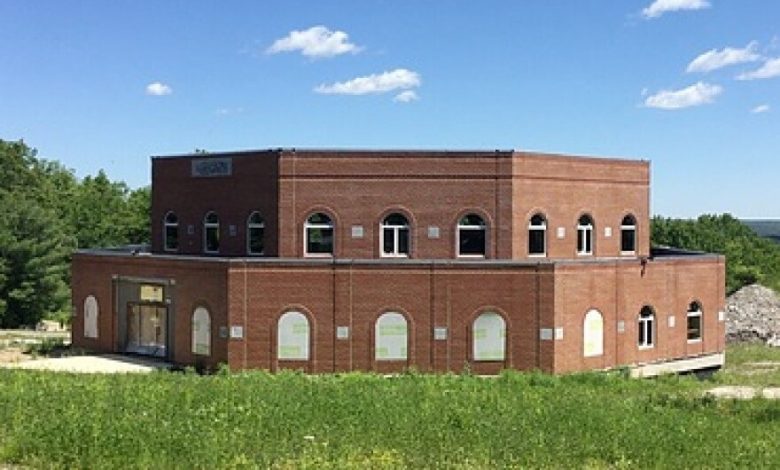
New Hampshire—known for its mountains, small towns, and “Live Free or Die” spirit—may not be the first state people associate with a large Muslim population. Yet over the past two decades, the Muslim community in New Hampshire has grown steadily, shaped by immigrants, refugees, long-time American Muslim families, and newly converted Muslims seeking community, stability, and opportunity.
Despite being one of the least populous states in the U.S., New Hampshire reflects national trends: increasing religious diversity, expanding cultural institutions, and Muslims playing a more visible role in civic, educational, and political life.
1. Demographics and Growth
New Hampshire’s Muslim community is small but growing, estimated at 8,000–12,000 residents spread across cities such as:
-
Manchester (largest Muslim population)
-
Nashua
-
Concord
-
Dover / Portsmouth
-
Keene
The community includes:
-
Arab Americans
-
Somali and Sudanese refugees
-
Bosnian and Balkan Muslims
-
South Asians (Pakistani, Indian, Bangladeshi)
-
African American Muslims
-
American converts
Refugee resettlement programs, especially in the 1990s and 2000s, played a major role in forming the foundation of today’s Muslim presence in the state.
2. Mosques and Islamic Centers
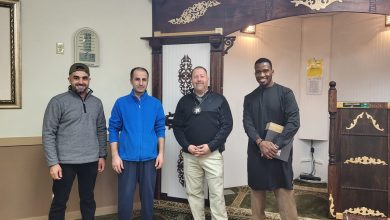
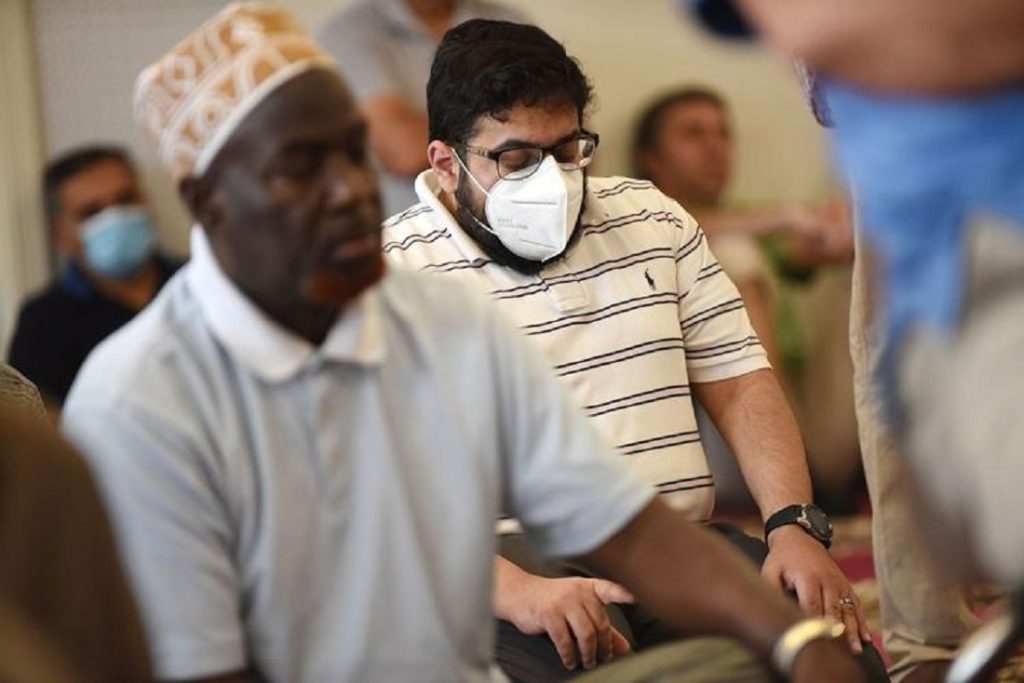
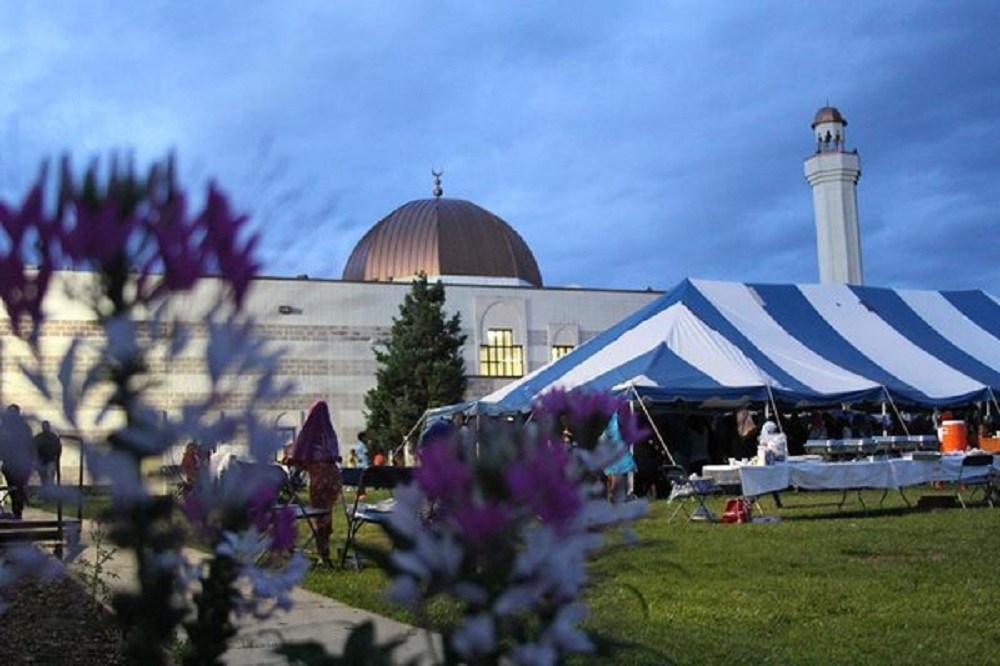
New Hampshire now has several mosques and Islamic centers that serve as spiritual, educational, and social hubs:
Major Centers Include:
-
Islamic Society of New Hampshire (Manchester)
-
Islamic Center of Nashua
-
Islamic Society of Concord
-
Dover Islamic Center
-
Upper Valley Islamic Society (Lebanon/Hanover area)
-
Dartmouth College Muslim Student Association (MSA)
These centers offer:
-
Daily prayers and Friday khutbahs
-
Quran classes and Arabic lessons
-
Youth programs
-
Community meals
-
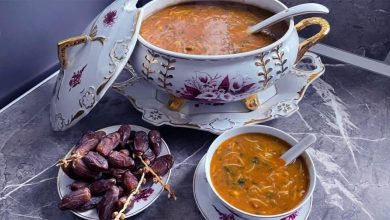
Ramadan iftars and Eid celebrations
They also play an important role in interfaith events with churches, synagogues, and universities.
3. Role of Refugees and New Migrants
New Hampshire became home to many Muslim refugees from:
-
Somalia
-
Sudan
-
Iraq
-
Afghanistan
-
Bosnia
These communities helped revitalize neighborhoods, open small businesses, and expand cultural diversity, especially in Manchester and Nashua.
Somali and Sudanese youth programs have also become central to sports, education, and leadership activities in the state.
4. Muslim Students and University Life
New Hampshire’s colleges have growing Muslim student bodies:
-
Dartmouth College
-
University of New Hampshire (UNH)
-
Southern New Hampshire University (SNHU)
-
Keene State College
Muslim Student Associations (MSAs) at these schools lead:
-
Jummah prayer
-
Ramadan programs
-
Islamic awareness weeks
-
Halal food initiatives
-
Interfaith dialogues
These student-led efforts have helped improve campus inclusion and representation.
5. Businesses, Halal Services, and Cultural Life
New Hampshire’s Muslim community contributes to the local economy through:
-
Halal restaurants and butcher shops
-
Middle Eastern, African, and South Asian grocery stores
-
Small businesses in retail, transportation, and hospitality
-
Medical and engineering professions
-
Tech and academic roles
Cities like Manchester and Nashua now have reliable options for halal meat, Arab cafés, and East African cuisine.
6. Civic Engagement and Public Presence
Muslims in New Hampshire are increasingly active in:
-
Local city councils
-
School boards
-
Nonprofit leadership
-
Refugee advocacy
-
Public health initiatives
Interfaith groups—such as the New Hampshire Council of Churches and Granite State Organizing Project—collaborate closely with Muslim leaders to promote tolerance and community solidarity.
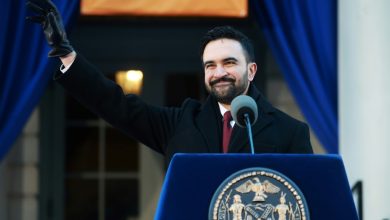
Following national trends, more young Muslim residents are participating in civic life, voter registration, and youth leadership programs.
7. Challenges and Opportunities
The Muslim community in New Hampshire continues to face issues such as:
-
Limited access to Islamic schools
-
Need for more halal food options
-
Rising Islamophobia in small towns
-
Transportation challenges for new refugees
However, strong interfaith networks, active mosques, and growing youth involvement have strengthened the community and expanded its visibility.
Conclusion
The Muslim community in New Hampshire is vibrant, diverse, and steadily expanding. Through mosques, student groups, community organizations, and small businesses, Muslims are enriching the cultural and social fabric of the state. Although small in number, their presence is powerful, and their contributions continue to shape New Hampshire’s identity as a welcoming and evolving state.