New York Revives Single-Room Housing to Tackle Its Deepening Housing Crisis
New York Revives Single-Room Housing to Tackle Its Deepening Housing Crisis
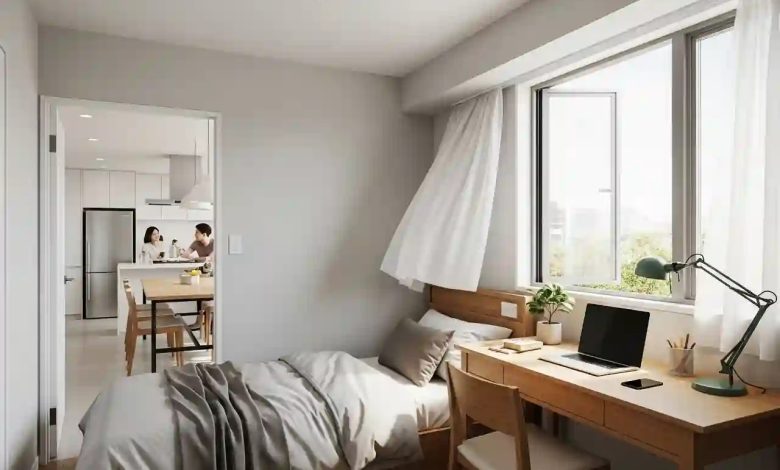
New York City is battling an acute housing crisis, pushing policymakers to explore innovative—and sometimes controversial—solutions. Among the most significant proposals is the revival of Single Room Occupancy (SRO) units, a type of housing once synonymous with urban decline but now being reimagined as a key tool in addressing the city’s growing affordability challenges.
For decades, SROs were viewed as relics of the past, often associated with overcrowded, unhealthy living conditions and extreme poverty. At their peak in the early 20th century, New York City had more than 100,000 SRO units. But restrictive mid-century laws, driven by concerns over public health and safety, led to their decline.
Only an estimated 30,000 to 40,000 units remain today. Mayors at the time openly criticized SROs as “slums that breed disease and crime,” prompting legislation that effectively halted new construction and conversions.
A Turning Point for Affordable Urban Housing
Today, the narrative has shifted dramatically. City officials are calling for the return of SRO-style housing—not as a symbol of urban decay, but as a practical response to a worsening housing shortage. City Council member Eric Bottcher, who represents parts of Manhattan, is expected to introduce landmark legislation allowing the construction of newly designed single-room units as small as 100 square feet for the first time in decades.
The proposal, strongly supported by the Department of Housing Preservation and Development, would also streamline the conversion of unused office buildings into modern shared-housing units—marking a major policy turning point.
The appeal of reimagined SROs lies in their potential affordability. In a city where median rents often exceed $3,000 a month, shared-facility apartments could be priced below $1,500—providing essential relief for thousands searching for affordable housing. The dramatic shift in official attitudes highlights the severity of the crisis and the need to reconsider previously dismissed housing models.
New York is not alone. Cities around the world—including London, Zurich, and Seoul—are exploring similar approaches to create affordable urban living spaces. Even in places like Hong Kong, where habitability remains a challenge, the global trend reflects a shared urgency in confronting housing shortages.
Beyond affordability, these new SRO-style units align with New York’s changing demographics. Recent data shows a sharp increase in single-person households and non-family groups living together. Many individuals are currently forced to rent large family apartments simply because smaller, affordable options do not exist. Tailored shared-housing could better serve these growing populations while freeing up larger units for families who truly need them.

New York housing policy
Crucially, the proposed law emphasizes improved safety and living standards. Unlike older SROs, the new model would enforce strict regulations: no more than three units sharing a kitchen or bathroom, sprinkler systems in every shared-housing building, and sufficient electrical capacity for modern appliances. These standards aim to prevent the unsafe conditions that plagued historical SROs, ensuring a higher quality of life for residents.
The new housing model is expected to benefit a wide population, including young professionals, unhoused individuals, seniors seeking affordable options, and newcomers to the city. “These are not the SROs of yesterday,” Bottcher says. “They are modern, flexible, well-managed homes that can meet the needs of a diverse group of residents.”
However, the idea does have critics. Paul Freitag, executive director of the West Side Federation for Senior and Supportive Housing, warns that SROs may not be ideal for everyone—especially older adults who may struggle with shared bathrooms and limited space. He notes that many people prefer to stay longer in shelters to secure larger one-bedroom or studio apartments, suggesting that even redesigned SROs may not be a universal solution. His organization is actively converting its existing SRO buildings into larger units, underscoring the nuanced debate.
Ultimately, New York City’s shift toward single-room housing represents a bold—but necessary—gamble in the face of an escalating housing crisis. The strategy seeks to balance historical concerns with modern needs, paving the way for a new approach to affordability in one of the world’s most expensive urban centers.