Discovering Islam in Fort Smith: Mosques, Culture, and Community Roots
A Deep Look at Islamic Life, Local Mosques, and Community Growth in Fort Smith
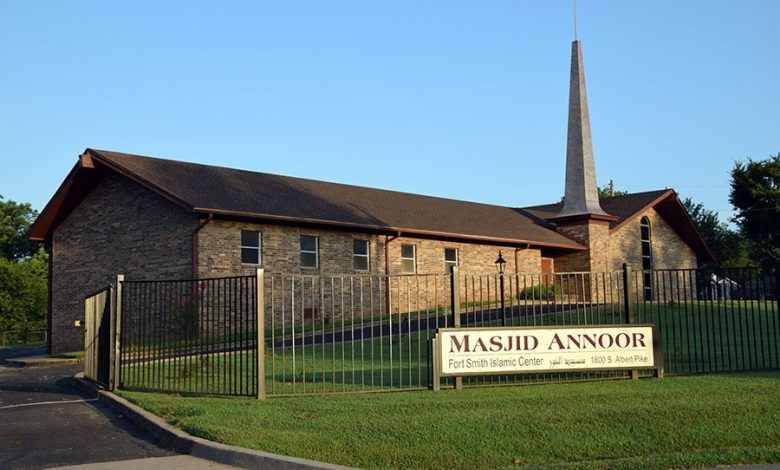
Fort Smith, Arkansas, is home to a small yet vibrant and steadily growing Muslim community. As one of the major cities in western Arkansas—and as a hub for education and regional commerce—Fort Smith has become an important center for Muslim families, students, and professionals seeking a welcoming environment to practice their faith.
Like many cities in Arkansas that host colleges and universities, Fort Smith reflects the broader statewide pattern: wherever there is academic life, there is often a thriving Muslim presence. Whether for study, work, or long-term settlement, Muslims in Fort Smith have built a supportive space to worship, learn, and contribute to the wider community.
A Community of Faith and Engagement
The Muslim community in Fort Smith places a strong emphasis on Islamic education, charitable work, and interfaith dialogue. Community leaders encourage neighbors and local residents to learn more about the Islamic faith—its beliefs, practices, and values—to promote tolerance, compassion, and peaceful coexistence.
From hosting community events to offering open houses at local mosques, Muslims in Fort Smith are actively engaged in fostering understanding and building bridges.
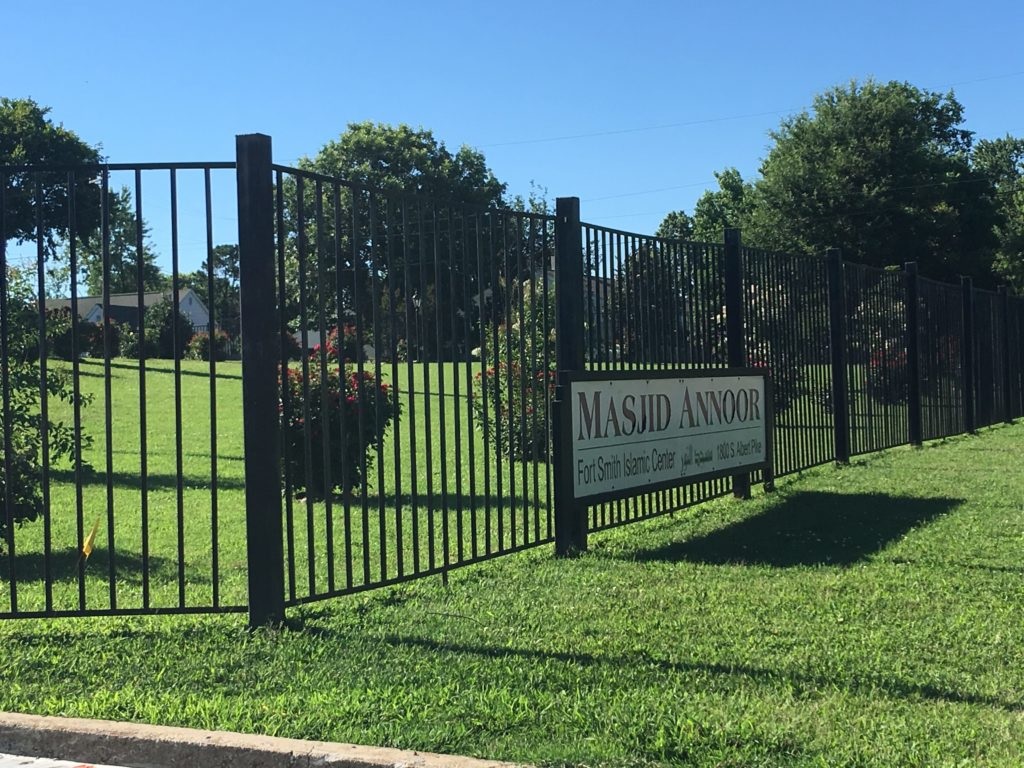
Fort Smith Islamic Center
Address: 1800 S Albert Pike Ave, Fort Smith, AR 72903
Phone: (479) 555-8955
The Fort Smith Islamic Center is the primary mosque serving the local Muslim population. It provides all five daily prayers, Jumu’ah (Friday prayer), Quran study circles, and weekend school for children. The center also offers counseling, community support, and educational sessions for both Muslims and non-Muslims.
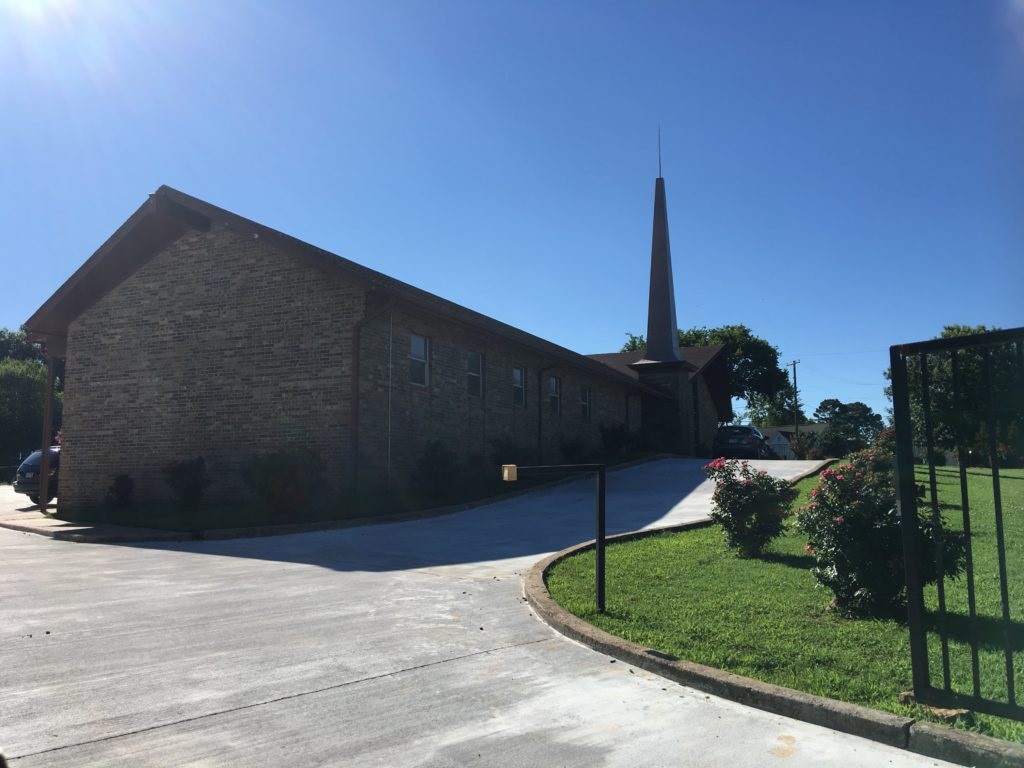
Key functions of the Fort Smith Islamic Center include:
-
Offering a consistent space for worship
-
Teaching Quran, Arabic, and Islamic values to children
-
Hosting Islamic seminars and community gatherings
-
Running charity initiatives for families in need
-
Encouraging interfaith and cultural understanding
Masjid Al Salam
Address: 8501 S 28th St, Fort Smith, AR 72908
Masjid Al Salam serves as an additional prayer and learning space, particularly for families living in the southern part of the city. The mosque focuses on community unity, spiritual development, and providing a welcoming environment for new arrivals and converts.
Masjid Al Salam activities include:
-
Daily prayers and Jumu’ah
-
Ramadan iftar gatherings
-
Youth programs and study circles
-
Community outreach and charity drives
A Growing Future for Muslims in Arkansas
As Arkansas continues to grow—especially in education, technology, and logistics—the Muslim population is also expanding. Fort Smith’s mosques represent more than places of worship: they are community anchors that provide support, identity, and belonging.
With an increasing number of Muslim families, international students, and professionals moving into the region, Fort Smith is becoming a dynamic example of how small-town America can embrace cultural and religious diversity.