


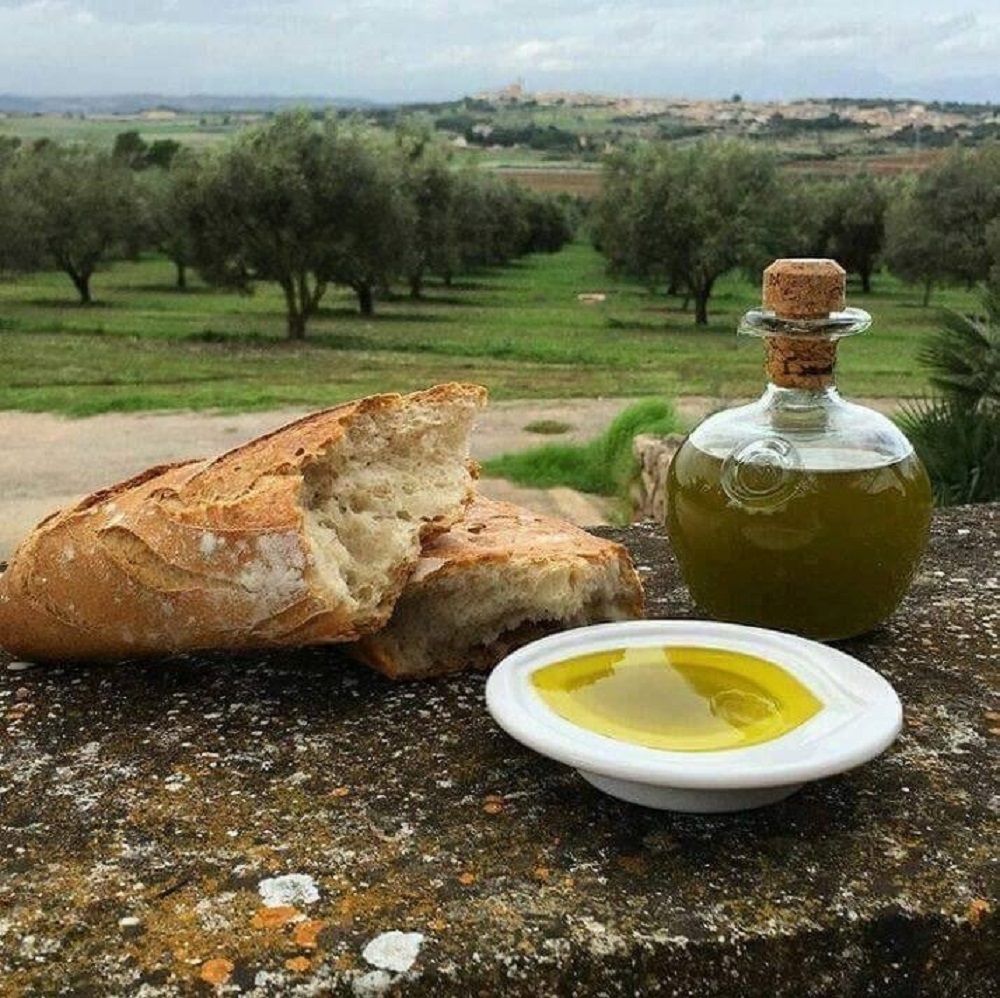
Tunisian olive oil has long been recognized for its premium quality, rich flavor, and health benefits. Among Muslim communities in the United States, it has become a staple ingredient, widely used in traditional cooking, religious celebrations, and everyday meals. Its popularity reflects both a connection to cultural roots and an appreciation for authentic Mediterranean flavors.
Health and Culinary Benefits
Tunisian olive oil is rich in antioxidants, vitamins, and healthy monounsaturated fats, making it a preferred choice for heart-healthy cooking and overall wellness. Muslim households often use it for:
-
Cooking and sautéing
-
Salad dressings
-
Baking traditional pastries
-
Preparing dishes for Ramadan and Eid celebrations
Its distinct aroma and flavor elevate dishes like couscous, roasted vegetables, tagines, and mezze, bringing a taste of North Africa to American kitchens.
Availability in the United States
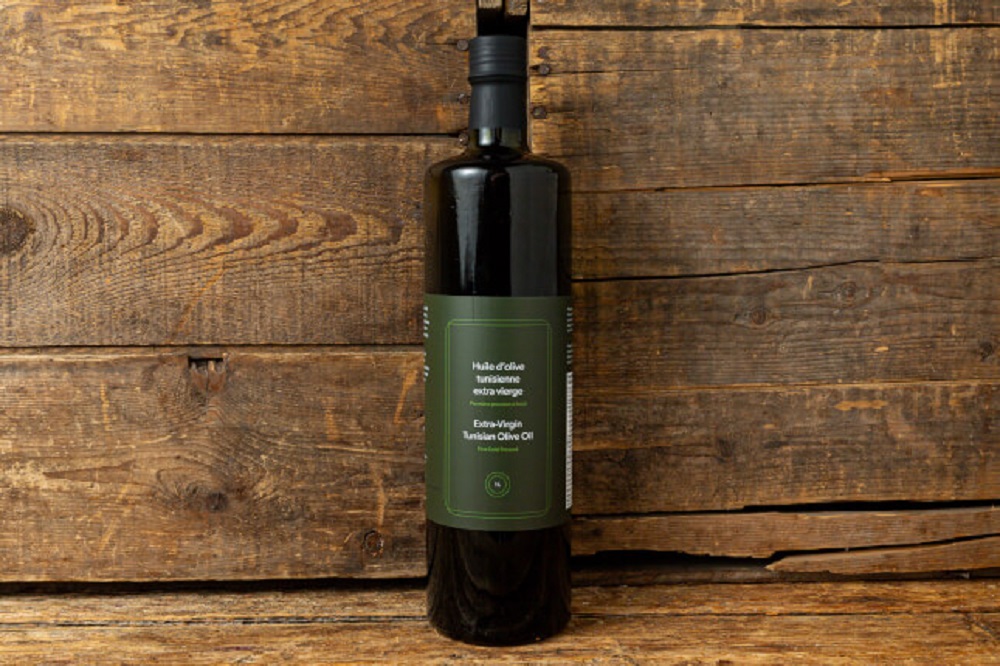
Thanks to globalization and import markets, Tunisian olive oil is increasingly available in Middle Eastern grocery stores, specialty food markets, and online retailers. Cities with large Arab and Muslim populations, such as Detroit, New York, Chicago, and Los Angeles, are particularly well-stocked with high-quality Tunisian brands.

Cultural Significance
For many Muslim families in the U.S., using Tunisian olive oil is more than a culinary choice—it is a cultural statement. It connects them to ancestral cooking traditions, sustains a link to Mediterranean heritage, and maintains authenticity in recipes passed down through generations.
Conclusion
Tunisian olive oil has carved a special place in Muslim-American kitchens, celebrated for its health benefits, versatility, and cultural significance. Its rising popularity demonstrates how traditional ingredients continue to influence modern cooking while preserving cultural identity.