


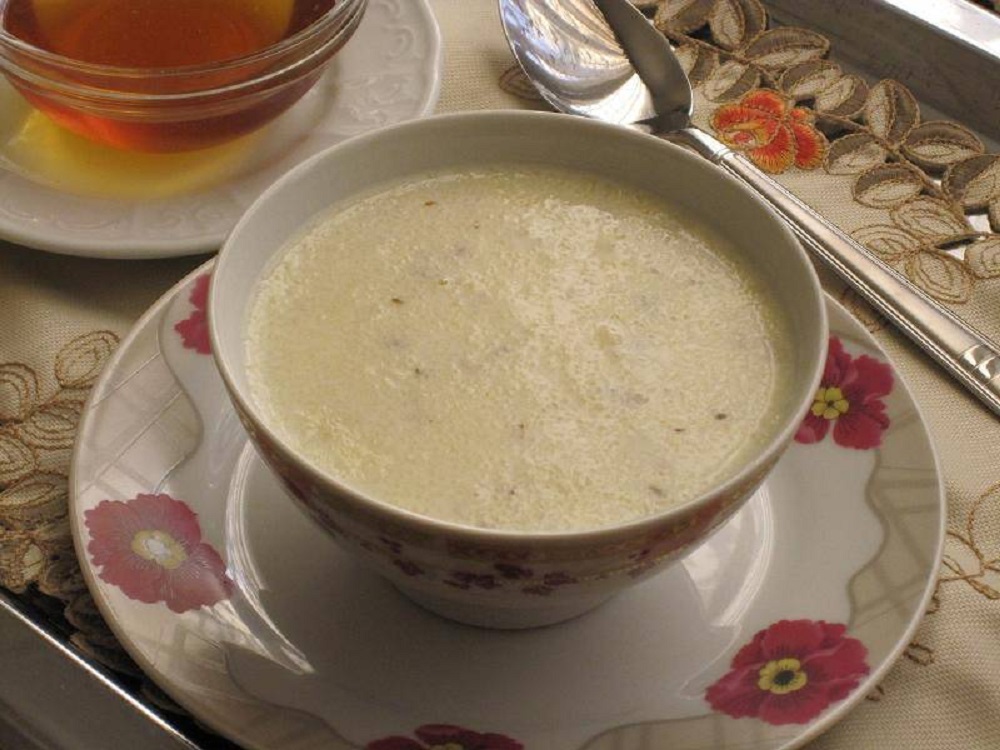
The Prophetic Talbina, also known simply as Talbinia, is a traditional sweet dessert originating from the Hejaz region of Saudi Arabia, particularly popular in the holy cities of Mecca and Medina.
The dessert is made primarily from milk and sugar, often enriched with butter or ghee, giving it a soft, creamy texture. Its name is sometimes associated with cultural and historical traditions in the Arabian Peninsula, making it a favorite during religious holidays, family gatherings, and special occasions.
Ingredients and Preparation
The basic ingredients of Talbinia include:
-
Fresh or condensed milk
-
Sugar
-
Butter or ghee
-
Optional flavorings such as cardamom, saffron, or rosewater
Preparation involves slow-cooking milk and sugar until the mixture thickens, sometimes folded with butter to achieve a smooth, rich consistency. The dessert can be served warm or chilled, often garnished with nuts or a sprinkle of aromatic spices.


Presence Among Arabs and Muslims in the U.S.
Among Arab and Muslim communities in the United States, the Prophetic Talbina is less commercially available in mainstream stores but remains popular within households that maintain traditional culinary practices.
Many families prepare Talbinia at home, especially during Ramadan, Eid celebrations, and other religious or cultural gatherings. Some Middle Eastern bakeries and specialty stores in cities with large Arab or Muslim populations—such as Dearborn, Michigan; Paterson, New Jersey; and Los Angeles, California—also carry Talbinia or its variations, keeping the tradition alive.
Cultural Significance
The Prophetic Talbina, represents more than just a dessert; it is a connection to heritage, faith, and family traditions. For Arabs and Muslims living in the diaspora, making or sharing this dessert is a way to celebrate identity, preserve cultural knowledge, and pass traditions to younger generations.

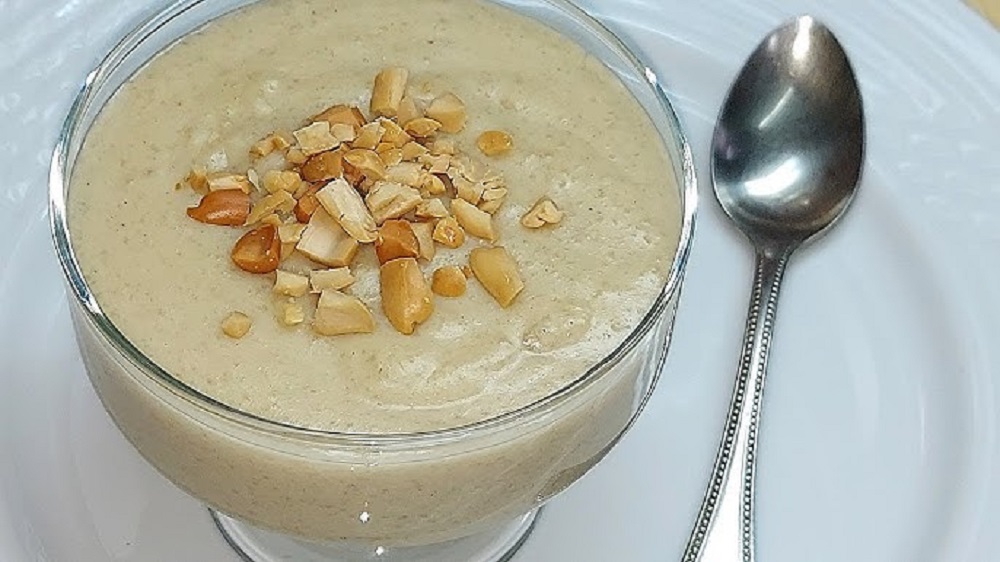
Health Benefits
Mental Health: The high carbohydrate content in barley can aid in serotonin synthesis, which may reduce symptoms of depression, stress, and anxiety. It is rich in magnesium and zinc, which are linked to improved mood and brain function.
Digestive Health: The high soluble fiber (beta-glucan) in barley aids digestion, helps prevent constipation, and promotes a healthy gut microbiome.
Heart Health: The fiber also helps lower LDL (“bad”) cholesterol, supporting cardiovascular health.
Blood Sugar Management: Its low glycemic index helps in the slow absorption of glucose, making it beneficial for managing blood sugar levels and type 2 diabetes.
- Nutritional Value: It is a rich source of essential vitamins (especially B vitamins) and minerals, including iron, phosphorus, and selenium, which support overall health and energy levels.
Conclusion
Although not widely known across the entire U.S., the Prophetic Talbina holds a special place in Arab and Muslim households, reflecting the broader trend of preserving Middle Eastern culinary heritage in diaspora communities. Its rich taste, cultural symbolism, and connection to religious traditions make it a cherished treat for those wishing to maintain a link with their roots.