


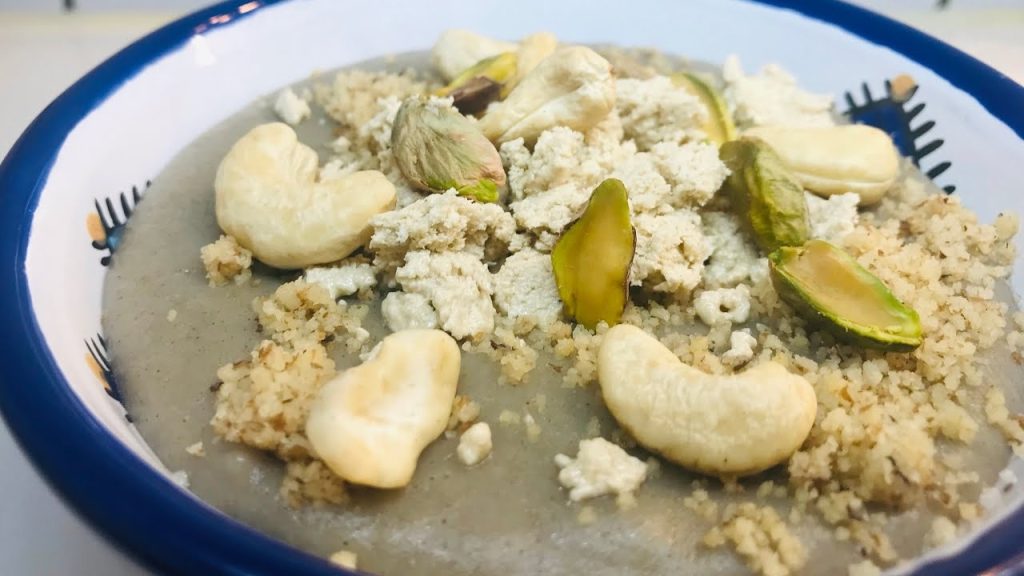
Droo (pronounced “Droo”) is a traditional Tunisian drink made from ground sorghum flour (طحين الدرع). Especially popular during the cold winter months, it is celebrated for its warming properties, rich flavor, and health benefits. Families often serve it for breakfast or as a hot evening drink, particularly when hosting guests.
Origins and Cultural Background
Droo has ancient roots in North Africa, with a history spanning thousands of years. Tunisian historian Abdel Sattar Amamou explains that during the Ottoman era, the preparation of Droo evolved: originally cooked with water, it began to be made with milk, giving it a creamy texture similar to sahlab. The white variety is believed to have Ottoman origins, reflecting cultural exchanges with Turkey.
Today, Droo is considered a uniquely Tunisian winter beverage, blending heritage, nutrition, and comforting warmth.
Sorghum Cultivation in Tunisia
The sorghum used for Droo is traditionally grown in Houaria, in northeastern Tunisia, about 110 km from the capital. Cultivation starts in June and lasts roughly two months and 20 days. Sorghum seeds come in white or bluish varieties and require irrigated farming due to their high water needs.


Regional Names Across the Maghreb
-
Tunisia: Droo (الدرع)
-
Morocco: Habbat Dera’a, Dkhn, or Beshna
-
Algeria: Ilan (of Amazigh origin)
-
Libya and Mauritania: Sahlab (also used in Egypt and the Levant)
Health Benefits of Droo
Droo is highly nutritious:
-
Gluten-free, safe for people with wheat allergies
-
Rich in proteins, starches, vitamins, and minerals
-
Supports circulation and digestion, and helps treat stomach and intestinal ulcers
-
Contains calcium, protecting bones from osteoporosis
-
High in fiber and fat-soluble antioxidants, beneficial for heart health
-
Magnesium-rich, helping lower blood pressure and reduce risks of angina, asthma attacks, and migraines
Benefits for Children
For children, Droo provides:
-
Support for growth and bone development
-
Enhanced immune system, protecting against winter illnesses like colds and coughs
-
Strengthened teeth and bones, aiding in fracture healing and preventing osteoporosis
-
Relief from digestive issues such as diarrhea
Serving Droo: A Traditional Winter Drink
Droo is commonly served as a hot drink, providing warmth and energy during cold weather. Families enjoy it:
-
As a main breakfast dish
-
As a warm drink for evening gatherings with friends or relatives
It is simple to prepare with water or milk, and often enhanced with honey, dried fruits, or ginger for extra flavor and nourishment.
Traditional Uses and Variations
-
Hot drink: Stirred with milk or water, sweetened with sugar or honey
-
Porridge (“Bsissa”): Mixed with olive oil, sugar, and dried fruits
-
Festive sweets: Used in making Ghraïba, a traditional pastry served during celebrations such as Eid al-Fitr
-
Baked goods: Incorporated into cakes or Droo bread, combining ground sorghum with milk, eggs, olive oil, sugar, and dried fruits
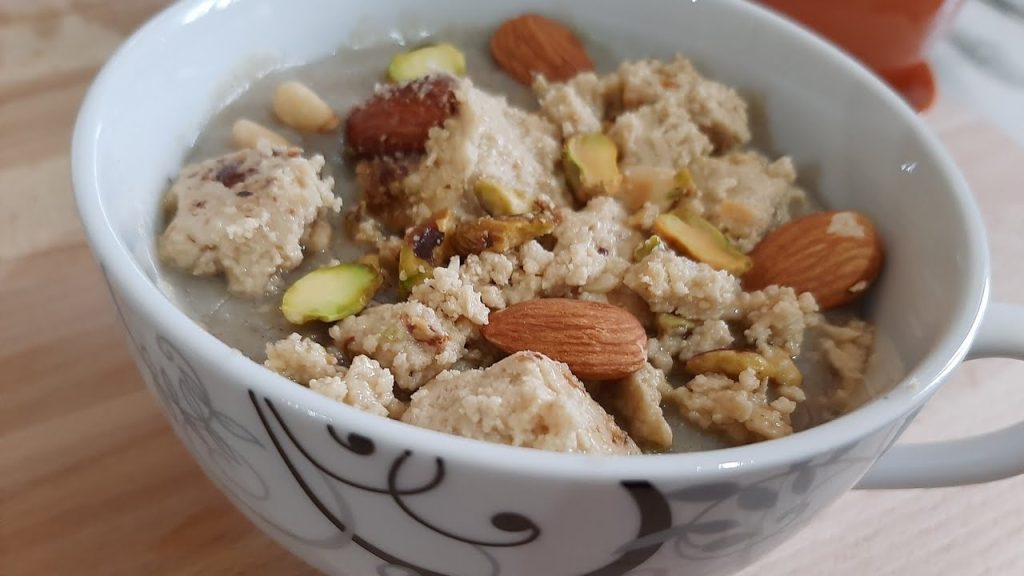
Simple Recipe for Droo
Ingredients:
-
1 liter milk
-
8 tablespoons sorghum flour (طحين الدرع)
-
6 tablespoons sugar
-
1 teaspoon orange blossom water or rose water
-
Tahini sweets or crushed nuts for garnish
Preparation Steps:
-
Mix all ingredients except the garnish in a bowl while cold.
-
Heat on the stove, stirring constantly until the mixture thickens.
-
Pour into serving cups and garnish with tahini sweets or nuts.
-
Serve warm.