


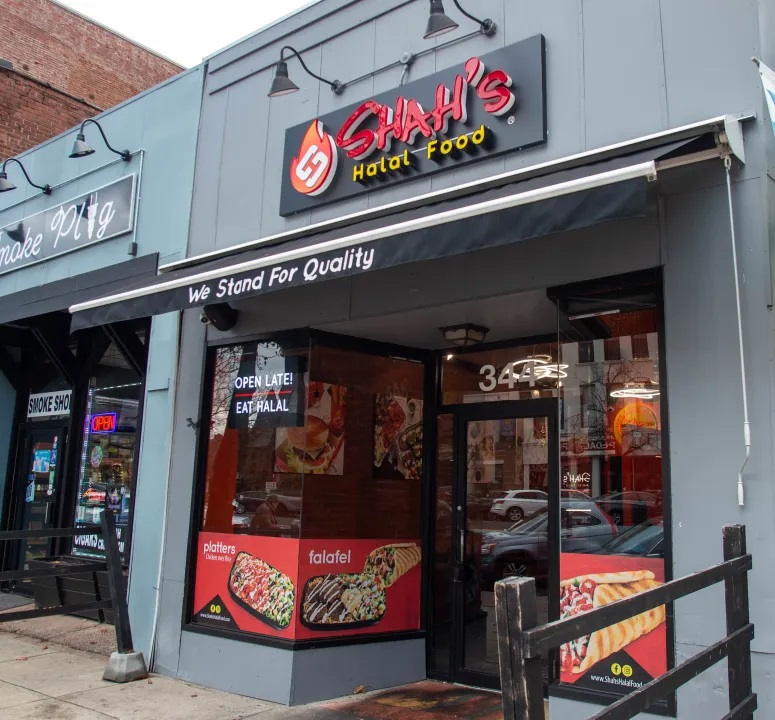
Connecticut’s halal food landscape has undergone a major transformation over the past decade, driven by the rapid growth of Muslim communities across the state and the rising demand for accessible, authentic, and certified-halal dining options. Cities like Hartford, New Haven, Bridgeport, Waterbury, and especially Middletown have seen an explosion of new restaurants, food trucks, and halal markets catering to diverse tastes — from Middle Eastern and South Asian cuisine to American halal fusion.
Among the most influential players is Shah’s Halal Food, whose Middletown location has become a symbol of Connecticut’s changing food culture. Once known primarily for campus-adjacent food trucks and New York–style street platters, Shah’s has now evolved into one of the state’s most popular halal chains, expanding into suburban areas where halal options were once limited or nonexistent.
Why Halal Food Is Growing in Connecticut
1. Expanding Muslim Population
Connecticut’s Muslim population has been steadily increasing due to immigration, refugee resettlement, and generational growth among Somali, Arab, South Asian, Turkish, Bosnian, West African, and Albanian communities. With population growth comes a growing need for halal dining, grocery stores, and culturally familiar food outlets.

2. Rising Demand Beyond Muslim Consumers
Halal food has entered the mainstream. Many non-Muslim residents increasingly seek halal meals for:
-
perceived higher meat quality standards
-
interest in Middle Eastern and Mediterranean flavors
-
dietary preferences such as cleaner eating and humane slaughter practices
-
exposure to halal food through college campuses
As a result, halal food is no longer niche — it’s now part of Connecticut’s broader culinary identity.
3. Greater Visibility Through Chains Like Shah’s
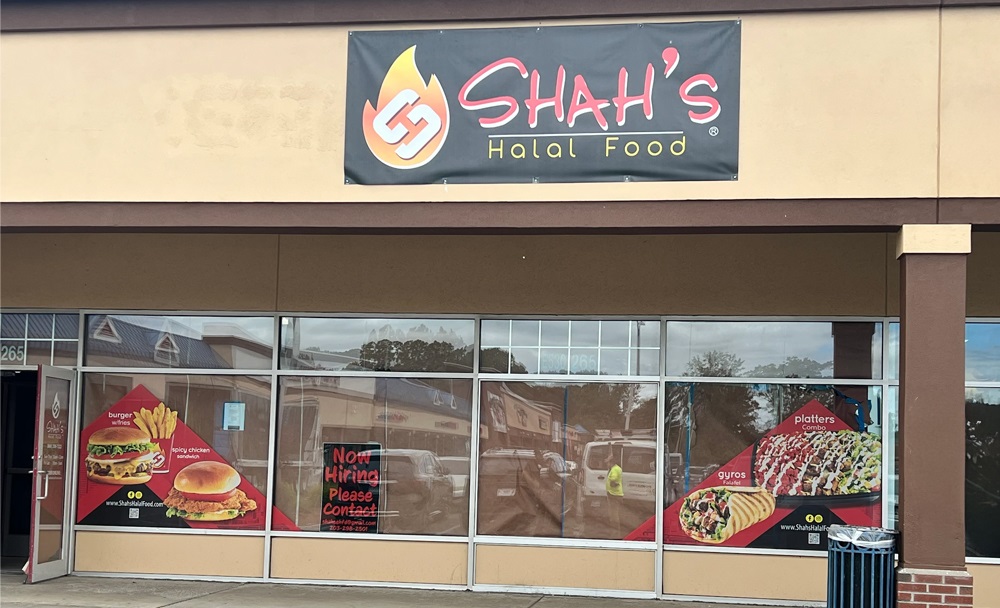
Shah’s Halal Food has helped bring halal cuisine to communities that previously lacked access. Their Middletown branch — strategically located near colleges, commercial strips, and residential areas — helped introduce halal platters, gyros, and rice bowls to a wider audience. The success of Shah’s demonstrates the growing mainstream appeal of halal street food and fast-casual halal dining.
4. Halal Food as a Cultural Bridge
As halal restaurants spread across Connecticut, they serve more than just food. They create:
-
safe spaces for Muslim families
-
cultural meeting points
-
economic opportunities for immigrant entrepreneurs
-
educational exposure for non-Muslim communities
Many Connecticut residents describe the change simply: “The landscape has really changed.” What was once limited to a few scattered takeout spots is now a thriving, diverse halal ecosystem.
Shah’s Halal Food in Middletown: A Turning Point
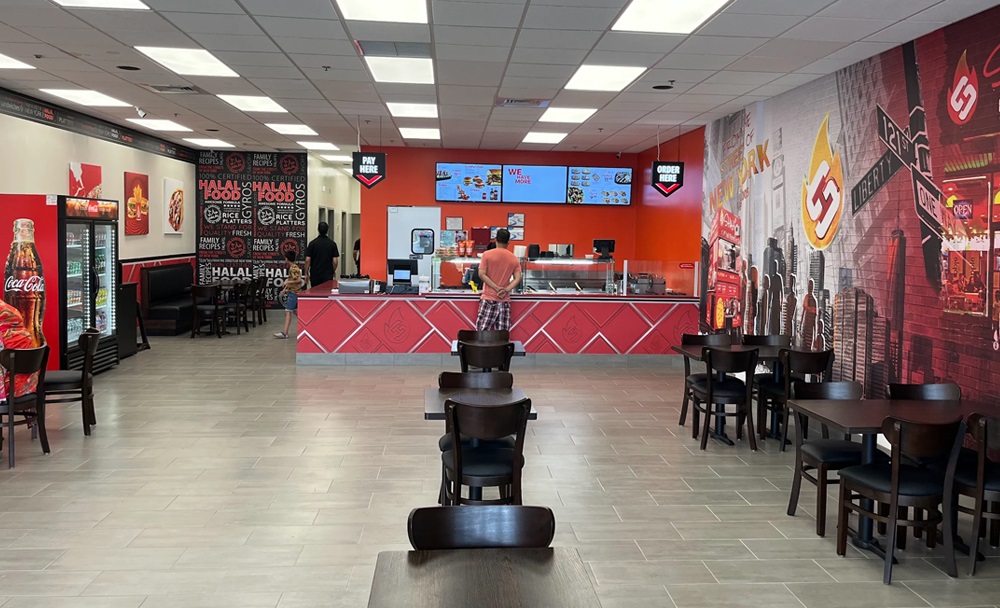
Shah’s Halal Food in Middletown has become one of the city’s busiest casual restaurants. Its success is rooted in:
Consistent Halal Standards
Shah’s sources certified-halal meats and maintains strict preparation methods, giving customers reliable confidence in food quality.

Popular Menu Items
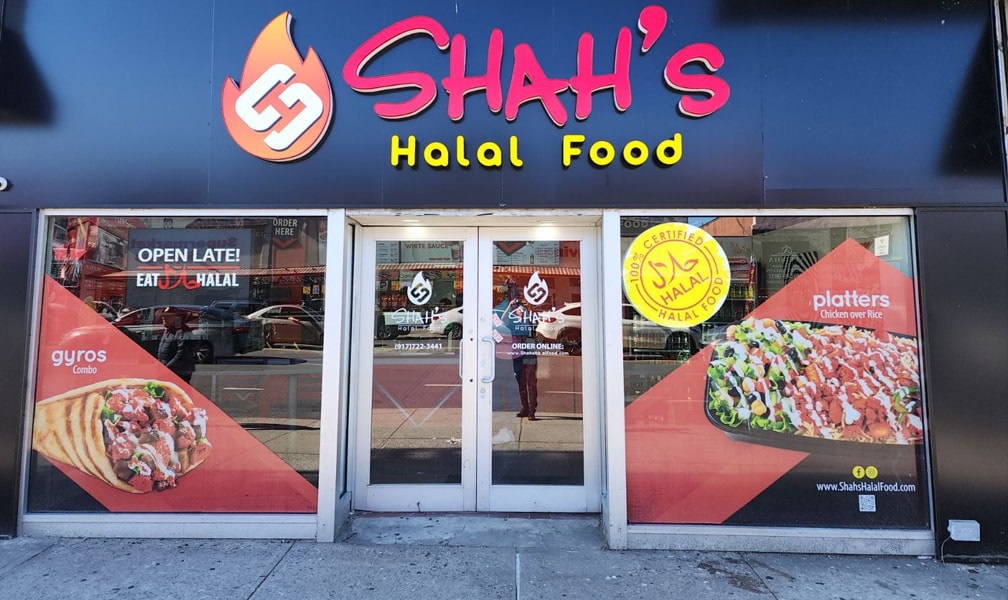
Signature dishes include:
-
chicken over rice
-
lamb or combo platters
-
gyros
-
falafel wraps
-
halal wings
-
biryani (location-dependent)
These dishes combine affordability with flavor, drawing students, workers, and families alike.
Central Location & Accessibility
Located near Middletown’s commercial center, Shah’s attracts:
-
Wesleyan University students
-
office workers
-
local residents seeking late-night meals
-
Muslim families from nearby towns
Its presence filled a decades-long gap in halal availability.
A Model for Statewide Expansion
As Shah’s expands across Connecticut, it sets a blueprint for other halal businesses. More halal restaurants are opening in New Britain, Bristol, Manchester, Danbury, and Norwich — cities with rising immigrant populations and growing demand.
The Broader Impact on Connecticut
Economic Impact
-
Halal restaurants generate jobs
-
Immigrant-owned businesses help revitalize commercial corridors
-
Halal markets increase access to culturally specific foods
Cultural Impact
-
Greater representation of Muslim communities
-
More visibility and acceptance of halal dietary practices
-
Increased cultural exchange through food
Culinary Impact
-
Greater variety in CT’s food scene
-
Higher demand for Middle Eastern, Turkish, Pakistani, Indian, North African, and Mediterranean cuisines
-
Halal options becoming standard on delivery platforms and university campuses
Future Outlook: The Halal Wave Will Continue
With Muslim populations continuing to grow and halal food becoming more mainstream, Connecticut is likely to see:
-
more halal restaurants and chains
-
increased halal options in malls and food courts
-
expanded halal grocery stores
-
Muslim-owned bakeries and cafés
-
gourmet and fine-dining halal concepts
What began as a small wave is now a full-scale transformation. Connecticut’s halal scene is no longer emerging — it is thriving.