


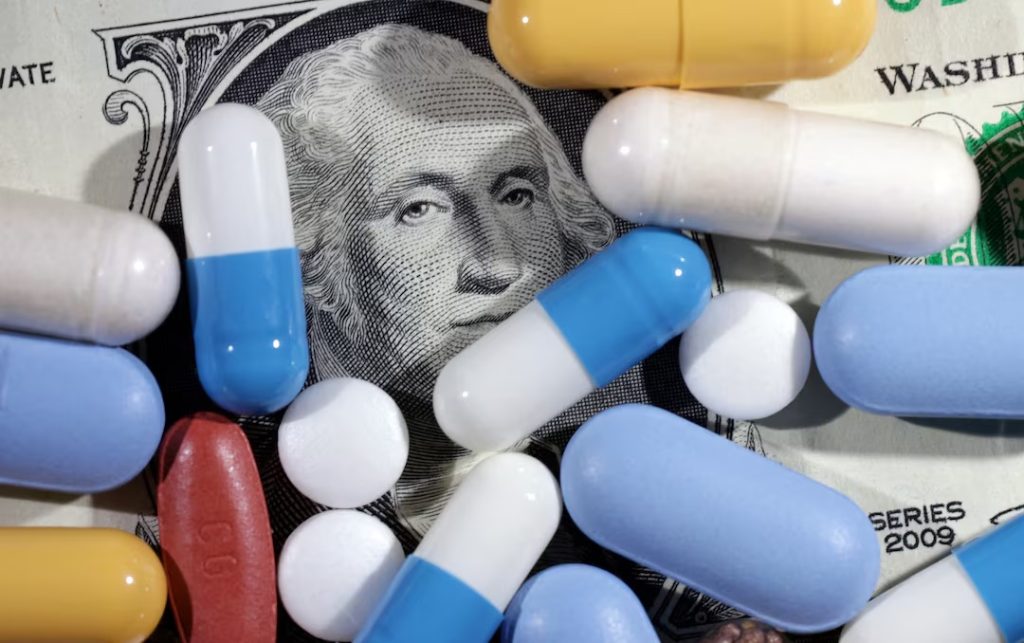
Pharmaceutical companies are planning to raise prices on at least 350 brand-name drugs in the United States, including vaccines for COVID-19, respiratory syncytial virus (RSV), herpes, and the widely used cancer drug Ibrance, despite pressure from the Trump administration to lower prices. The information comes from data provided by healthcare research firm 3 Axis Advisors exclusively to Reuters.
Price Increases
The number of expected price hikes for 2026 is higher than during the same period last year, when drugmakers announced plans to raise prices on more than 250 medications. The average price increase this year is about 4%, in line with expectations for 2025. These increases do not reflect rebates paid to pharmacy benefit managers or other discounts.
At the same time, some companies plan to lower prices on about nine drugs, including a more than 40% reduction in the price of the diabetes drug Jardiance, produced by Boehringer Ingelheim, along with three related treatments. The manufacturers did not explain the reasons behind these price cuts.
Jardiance is among the ten drugs whose prices were negotiated down by the U.S. government for the Medicare program serving Americans aged 65 and older in 2026. Under those negotiations, Boehringer Ingelheim and Eli Lilly cut the price of Jardiance by roughly two-thirds.
American patients currently pay the highest prices in the world for prescription drugs—often nearly three times more than patients in other advanced economies. President Trump has pressured pharmaceutical companies to lower U.S. prices to levels comparable to those paid in similarly wealthy countries.

Limited Impact of Trump’s Drug Pricing Deals
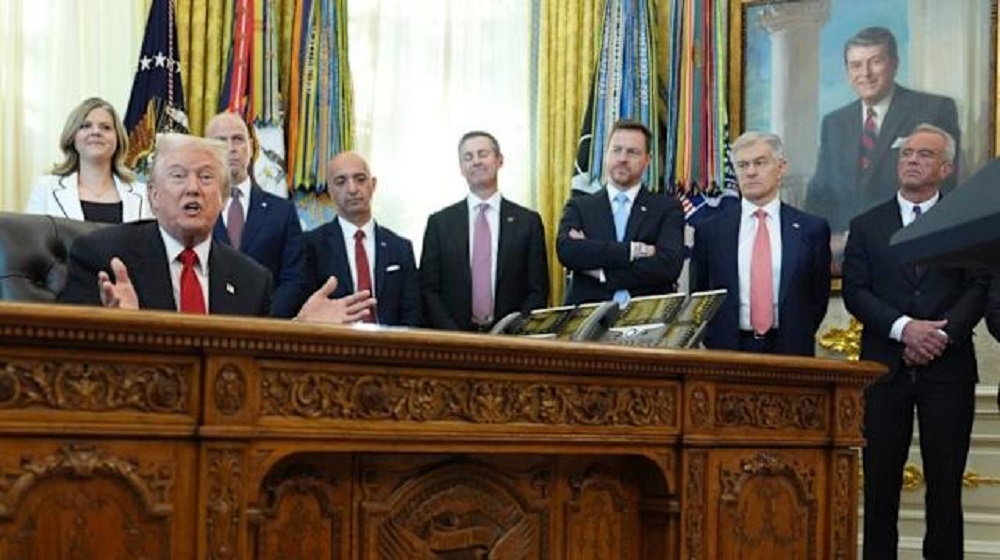
These planned price increases come even as Trump reached agreements with 14 pharmaceutical companies to reduce prices for certain drugs under the Medicaid program, which serves low-income Americans, as well as for some cash-paying consumers.
Companies involved in those agreements include Pfizer, Sanofi, Boehringer Ingelheim, Novartis, and GlaxoSmithKline (GSK). Despite the deals, several of these firms still plan to raise prices on some medications starting January 1.
Dr. Benjamin Rome, a health policy researcher at Brigham and Women’s Hospital in Boston, said:“These deals are often announced as major achievements, but in reality they do very little to address what actually drives high prescription drug prices in the United States.”
Rome explained that companies appear to raise list prices as much as possible while privately negotiating discounts with insurers and pharmacy benefit managers, then setting separate—and often higher—prices for direct cash sales to consumers.
Keeping Up With Inflation
Pfizer announced the largest number of price increases, affecting about 80 drugs, including the cancer drug Ibrance, the migraine medication Nurtec, the COVID-19 treatment Paxlovid, and hospital-administered drugs such as morphine and hydromorphone.
Most of Pfizer’s price hikes are below 10%, except for a 15% increase in the price of its COVID-19 vaccine Comirnaty. Some relatively inexpensive hospital drugs saw increases of more than fourfold.
In a statement, Pfizer said it adjusted the average list price increase for its innovative medicines and vaccines in 2026 to below the overall inflation rate.
The company added that modest increases are necessary to support continued investment in new drug development and to offset rising operational costs.
Drugmakers Temper Price Increases Amid Policy Pressure
Large price hikes were once more common in the U.S. pharmaceutical market. However, drugmakers have moderated increases in response to criticism from lawmakers and new policies—such as penalties for raising Medicare drug prices faster than inflation.
European drugmaker GlaxoSmithKline (GSK) plans to raise prices on about 20 drugs and vaccines by 2% to 8.9%, citing the need to support scientific innovation while maintaining reasonable pricing. Sanofi and Novartis did not respond to requests for comment.

More price increases and cuts are expected in early January, historically the busiest month for pharmaceutical price changes.
Notably, 3 Axis Advisors is a consulting firm that works with pharmacist groups, health insurance plans, and other stakeholders on drug pricing and supply chain issues. It is affiliated with the nonprofit 46brooklyn, which focuses on drug pricing transparency and shares staff with the organization.