



When exploring whether there are pharmacies in the United States owned by Muslims, it’s important to understand that Muslim Americans participate in the U.S. healthcare system in many meaningful ways — including as individual pharmacists, pharmacy owners, business leaders, and members of supportive professional networks. However, dedicated or widely recognized Muslim-owned pharmacy chains like CVS or Walgreens do not currently exist; the biggest pharmacy brands in the U.S. are owned by large corporate entities, not by Muslim entrepreneurs.
1. Individual Muslim Pharmacists and Small Pharmacy Ownership
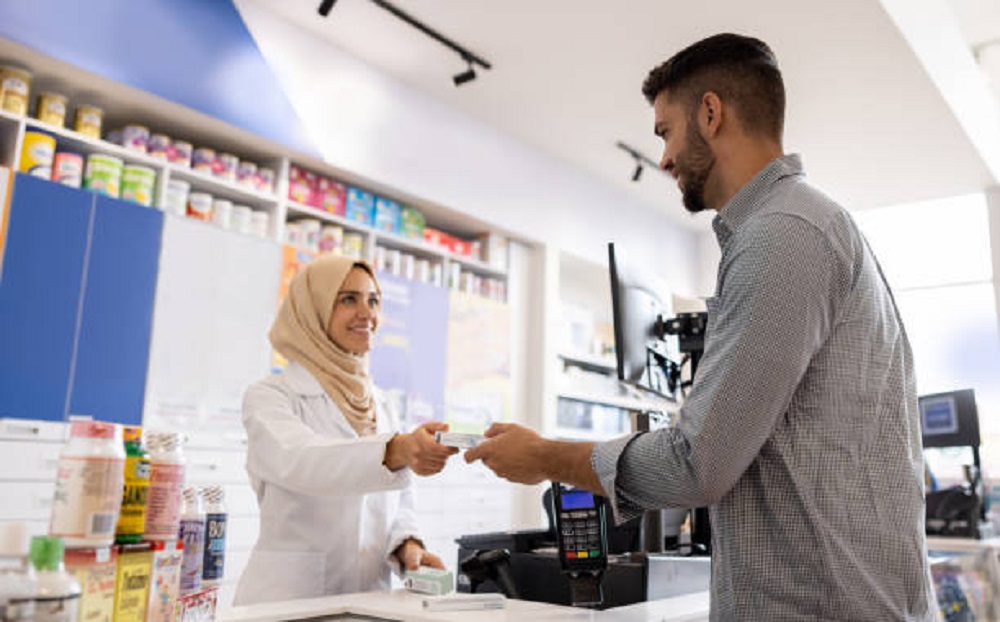
While there aren’t nationally known Muslim-owned pharmacy chains, individual Muslims have owned and operated local pharmacies. One historic example reported in U.S. media involves a Muslim pharmacist, originally from Bangladesh, who bought and managed multiple pharmacies in Brooklyn, New York. Around the 1980s, this pharmacist expanded from a single location into four neighborhood pharmacies, illustrating how Muslims can and do become pharmacy owners at the local level.
These types of independent pharmacy operations are community-based and often serve local neighborhoods rather than forming national chains. In the broader pharmacy landscape, independent pharmacies historically play a vital role by providing personalized care — though their numbers have declined significantly in recent years due to economic challenges in the industry.

2. Professional Networks & Support Structures
Muslim pharmacists in the U.S. are supported by organizations that help them grow professionally and navigate business ownership challenges:
-
Muslim Pharmacist Association (MPA) – A U.S.-based organization focused on supporting independent pharmacies, including networking, shared purchasing opportunities, and business growth support for pharmacy owners. Muslim Pharmacist Association
-
American Muslim Health Professionals (AMHP) – Although not specific to pharmacy ownership, this nonprofit works to empower Muslim health professionals (including pharmacists) through career development, advocacy, and community outreach.
-
USA Muslim Chamber of Commerce (USMCC) – This broader organization promotes Muslim-owned businesses across industries (including healthcare) and provides mentorship and networking opportunities for Muslim entrepreneurs.
These networks allow Muslim pharmacists and potential pharmacy owners to connect with peers, find funding or mentorship, and strengthen their businesses within the community and beyond.
3. Finding Muslim-Owned Businesses in the U.S.
There are directories and online platforms that list Muslim-owned businesses in the United States, which can help locate pharmacies or healthcare-related ventures owned by Muslims:
-
Souq by Muslim Professionals – A community marketplace that lists Muslim-owned businesses spanning different sectors, which can include health and wellness services.
-
National Directory of Muslim Owned Business and Muslimee.com – Directories designed to help users find Muslim-owned businesses across all 50 states, though they may list more general services than strictly pharmacies.
These resources make it easier for consumers who want to support Muslim entrepreneurs to find relevant services.
4. Challenges & Opportunities in the Pharmacy Sector
The pharmacy business in the U.S. has faced serious economic pressures in recent years, including the closure of thousands of independent pharmacies and major restructuring of retail pharmacy chains. These pressures make it harder for small independent owners — including Muslim owners — to compete with large corporate chains.
Despite these challenges, entrepreneurial Muslims in healthcare continue to pursue ownership and management of pharmacy businesses, often focusing on community care, personalized service, and professional excellence.


Conclusion
While there are no dominant Muslim-owned pharmacy chains in the United States, Muslim pharmacists and small pharmacy owners do exist. They contribute at local levels and are supported through professional and business networks. With continued community engagement and support, Muslim Americans remain an active part of the U.S. healthcare landscape — including pharmaceutical care and pharmacy ownership.