



Halal food—defined as “permissible” under Islamic dietary law—requires strict standards, including the exclusion of pork and alcohol, humane slaughter practices, and dedicated processing facilities to prevent cross-contamination.
What was once a niche market has become a global economic force. In 2024, the global halal food market was valued at $2.71 trillion, with projections reaching $5.91 trillion by 2033, growing at a 9% compound annual growth rate (CAGR).
Rising Demand in the U.S. Halal Market
In the United States, the halal food sector is expanding rapidly. Driven by a Muslim population of approximately 3.45 million and rising interest from non-Muslim consumers, halal products are increasingly associated with quality, ethics, and transparency.
A 2021 USDA study found that 60% of non-Muslim consumers trust halal products because of their rigorous standards, helping brands such as Midamar Corporation and Saffron Road gain shelf space in mainstream retailers.
How E-Commerce Is Transforming Halal Food Access
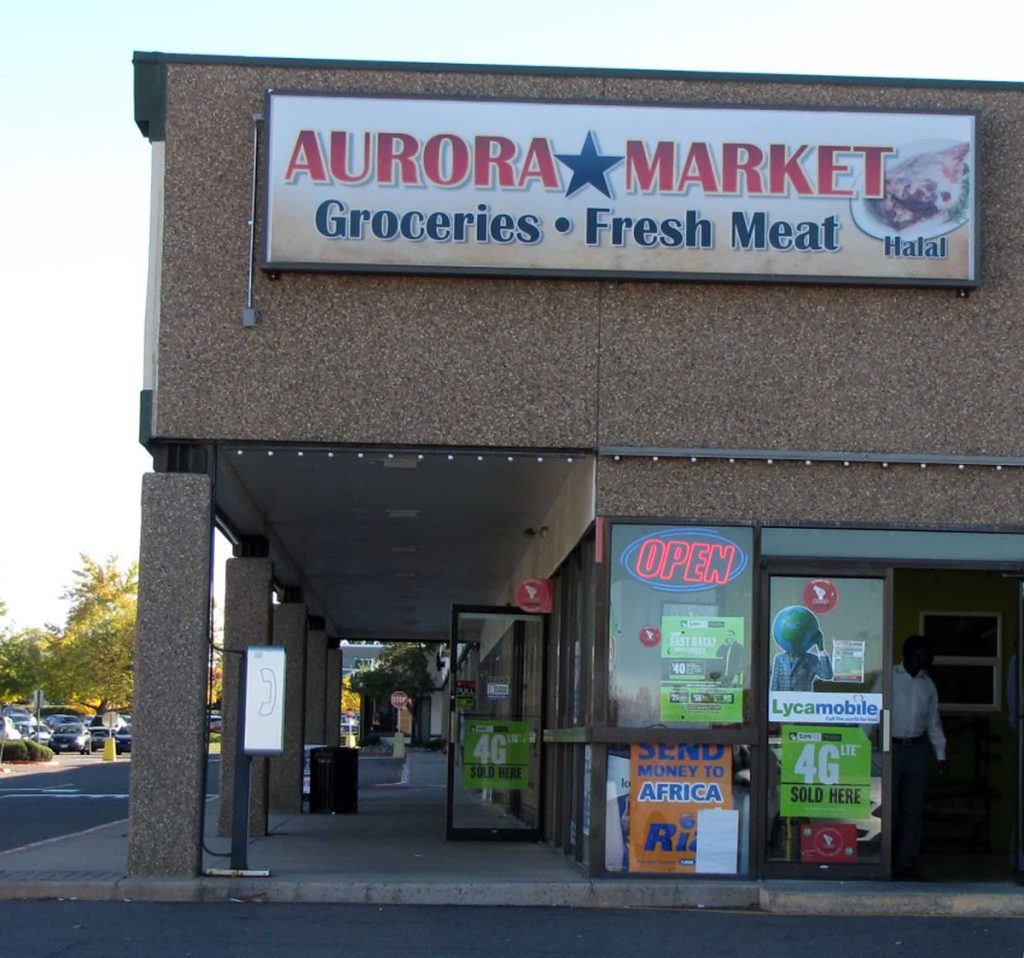
E-commerce has become a critical growth engine for the halal food industry, particularly in the U.S., where access to halal products varies sharply by geography. While cities like New York, Chicago, and Houston offer abundant halal options, many suburban and rural areas lack specialty stores.
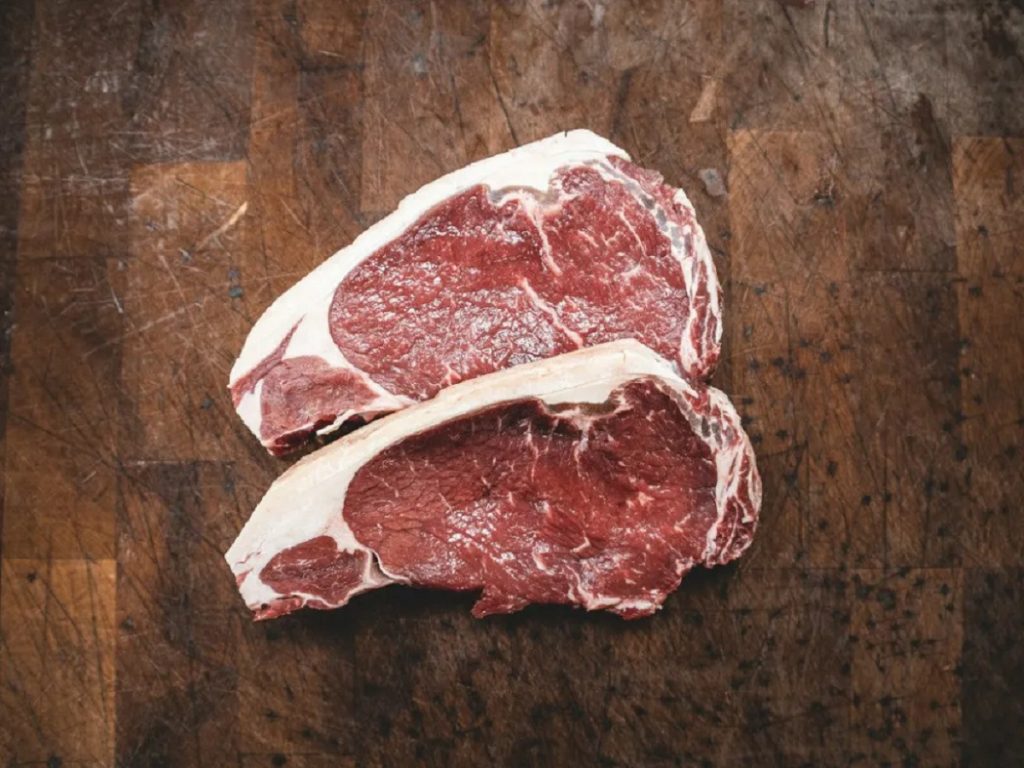
Online platforms such as Zabihah, DagangHalal, and major marketplaces like Amazon are bridging this gap, offering everything from halal-certified beef to plant-based kebabs. With the U.S. e-commerce market surpassing $1 trillion in 2024 and growing at a 15% CAGR, halal food companies are increasingly leveraging digital channels to reach diverse consumers nationwide.

Key E-Commerce Strategies Driving Growth
Dedicated Halal Marketplaces
Specialized platforms curate certified halal products while displaying certification details from trusted bodies such as the Islamic Services of America (ISA). Zabihah, for example, combines restaurant listings with online retail, while DagangHalal connects U.S. consumers to domestic and international suppliers. In 2023, DagangHalal reported a 20% increase in U.S. sales, largely driven by rural demand.
Partnerships with Mainstream Retailers
Halal brands are expanding reach through Amazon, Walmart, and Instacart. Amazon reported a 30% increase in halal-related searches in 2024, while Walmart’s online marketplace stocks ISA-certified halal poultry. These partnerships normalize halal food for non-Muslim consumers seeking ethical and clean-label products.
Direct-to-Consumer (D2C) Models
Companies like Midamar and Crescent Foods are selling directly through their own websites, offering nationwide shipping, subscription services, and transparent certification details. These models improve trust, particularly among the 45% of Muslim consumers who remain skeptical of halal labeling, according to a 2023 survey.
Technology-Driven Transparency
Blockchain, QR codes, and IoT tracking are increasingly used to verify halal supply chains. Platforms that allow consumers to trace products from farm to shelf are gaining traction, especially among non-Muslims—68% of whom report higher trust in halal-certified food.
Social Media and Influencer Marketing
Influencers on Instagram, TikTok, and Reddit play a growing role in driving halal e-commerce sales. Campaigns highlighting animal welfare, sustainability, and ethical sourcing have helped increase online halal food sales by an estimated 20% in 2024.
Challenges Facing Halal Food E-Commerce
Despite strong growth, the sector faces structural hurdles. Certification fragmentation remains a major issue, with over 11 halal certifying bodies in the U.S. operating under varying standards. Supply chain disruptions, cold-chain logistics, and lingering consumer misconceptions—such as the belief that halal food is only for Muslims—also limit scalability.

Emerging Opportunities and the Road Ahead
Efforts toward a unified national halal standard, expanded domestic halal production facilities, AI-powered compliance tools, and community-driven marketing events are reshaping the industry. Investments in U.S.-based halal processing plants and localized warehousing are improving delivery times and reducing costs, particularly for underserved regions.
Looking ahead, halal food e-commerce is positioned to become a mainstream pillar of American online grocery shopping. As technology enhances transparency and regulation strengthens trust, the sector offers a multi-trillion-dollar opportunity for businesses and unprecedented access for consumers.
Why Halal E-Commerce Matters
Halal e-commerce is more than convenience—it is access, inclusion, and trust. For Muslim consumers, it ensures religious compliance and cultural continuity. For non-Muslims, it provides ethical, high-quality food aligned with modern values. As digital platforms evolve, halal food is poised to bridge urban–rural divides and redefine ethical consumption in the U.S.