


The U.S. Department of Homeland Security (DHS) has announced the launch of a new biometric system requiring all non-U.S. travelers to be photographed when entering or leaving the United States. The government says the move aims to strengthen border security, improve identity verification, and combat travel document fraud and visa overstays.
Under the new rule, which took effect yesterday, December 26, 2025, biometric facial recognition photos will be captured at all ports of entry and exit, including airports, land border crossings, and seaports.
The policy applies to all non-U.S. citizens, including green card holders, visitors, and diplomats. Previous exemptions for certain age groups—such as children and elderly travelers—have been eliminated.
Why This Matters
According to Newsweek, the measures—introduced during President Donald Trump’s administration—are intended to enhance national security and modernize border management through advanced technologies.
The new rules allow federal authorities to track international travel by non-U.S. citizens, including lawful permanent residents, and to apply heightened scrutiny to green card applicants and holders from 19 countries classified as presenting elevated security risks.
DHS explained that the system expands the biometric entry-exit program, which previously focused primarily on entry records without fully tracking departures.
By linking entry photos with exit images, authorities say they can more accurately monitor traveler movements and detect visa overstays and identity fraud.

What Travelers Need to Know
Two major changes are now in effect:
1. Expansion of the Biometric Entry-Exit System
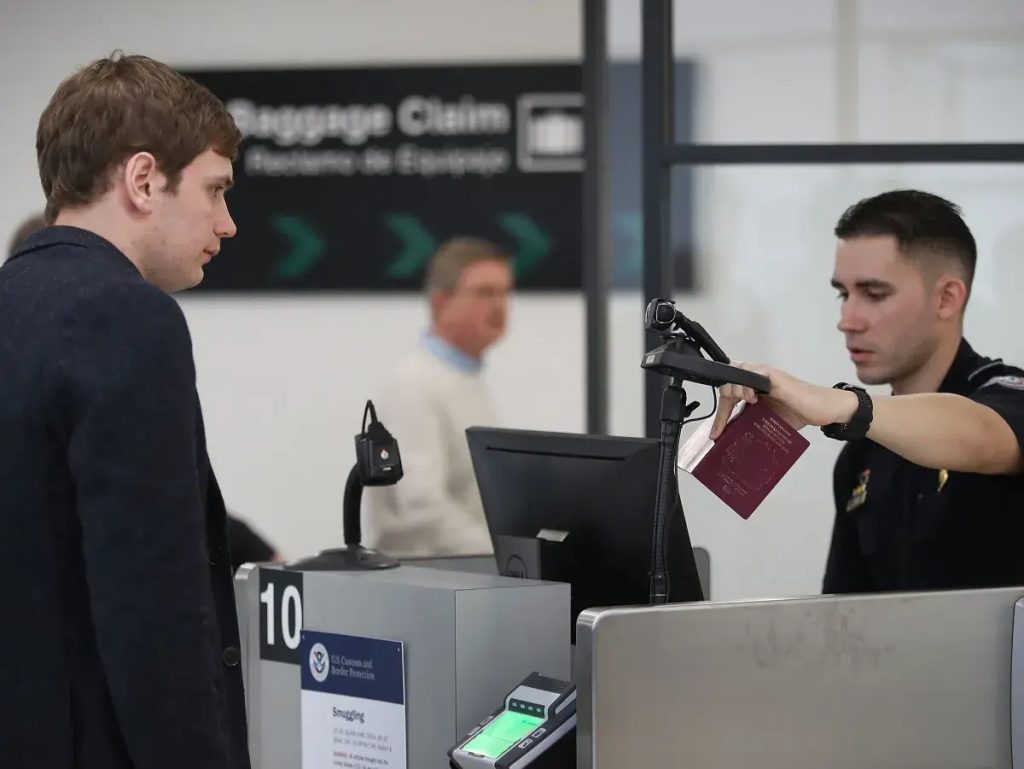
U.S. Customs and Border Protection (CBP) officers will now collect facial photographs—and potentially fingerprints and iris scans—from all non-U.S. travelers, including green card holders, at every airport, land border, and seaport. This includes children under 14 and adults over 79, both of whom were previously exempt.
CBP may also match biometric data with travel documents as part of enhanced traveler verification procedures.
2. Enhanced Green Card Reviews for Certain Countries
U.S. Citizenship and Immigration Services (USCIS) will conduct intensive reviews of green cards issued to citizens of 19 countries due to concerns over prior screening and approval standards. These countries are:
Afghanistan, Myanmar (Burma), Chad, Republic of the Congo, Equatorial Guinea, Eritrea, Haiti, Iran, Libya, Somalia, Sudan, Yemen, Burundi, Cuba, Laos, Sierra Leone, Togo, Turkmenistan, and Venezuela.
What This Means for Green Card Holders
For lawful permanent residents, the new rules may result in:
-
Mandatory biometric screening at every U.S. border crossing
-
Increased questioning, particularly for travelers from the listed countries
-
Greater document readiness, with travelers advised to ensure all paperwork is current
-
Potential processing delays for pending or future green card and visa applications
What Comes Next
The biometric entry-exit system will be rolled out nationwide over the next three to five years, starting with major airports and expanding to land and maritime ports.
DHS and USCIS are expected to issue further guidance regarding permanent residency reviews and additional documentation requirements for individuals from designated countries.
Green card holders—especially those from the 19 listed nations—are advised to keep records updated, monitor official communications, and consult immigration attorneys when traveling or awaiting legal status decisions.

Direct Impact on Travel
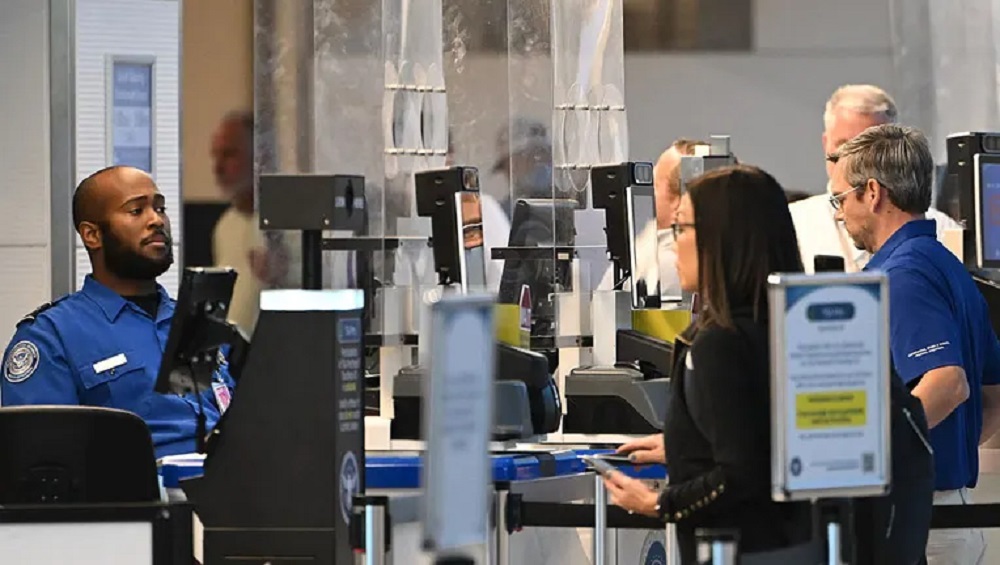
Officials and experts anticipate longer inspection times and increased wait periods, particularly during peak travel seasons such as year-end holidays.
Airlines and airport operators note that integrating new biometric technologies may require an adjustment period to maintain smooth passenger flow.
U.S. citizens are not subject to the same mandatory requirements, though some may be asked to voluntarily participate in facial recognition to expedite screening. For non-citizens, biometric photography is now a required part of border processing.
Criticism and Privacy Concerns
Civil liberties organizations and privacy advocates have criticized the decision, warning of the expanded collection and long-term storage of biometric data, as well as risks of misuse or data breaches.
Some experts also question the accuracy of facial recognition technology and warn that errors could lead to unjustified delays or secondary inspections.
Advocates argue that labeling participation as “voluntary” in certain cases may be misleading, as refusal could trigger additional scrutiny, effectively limiting the ability to opt out.
Bottom Line
While U.S. authorities argue that the expanded biometric system is necessary to close border security gaps, the policy raises serious questions about privacy, data protection, and the future of international travel. Legal and civil rights oversight of the program is expected to intensify in the coming months.