


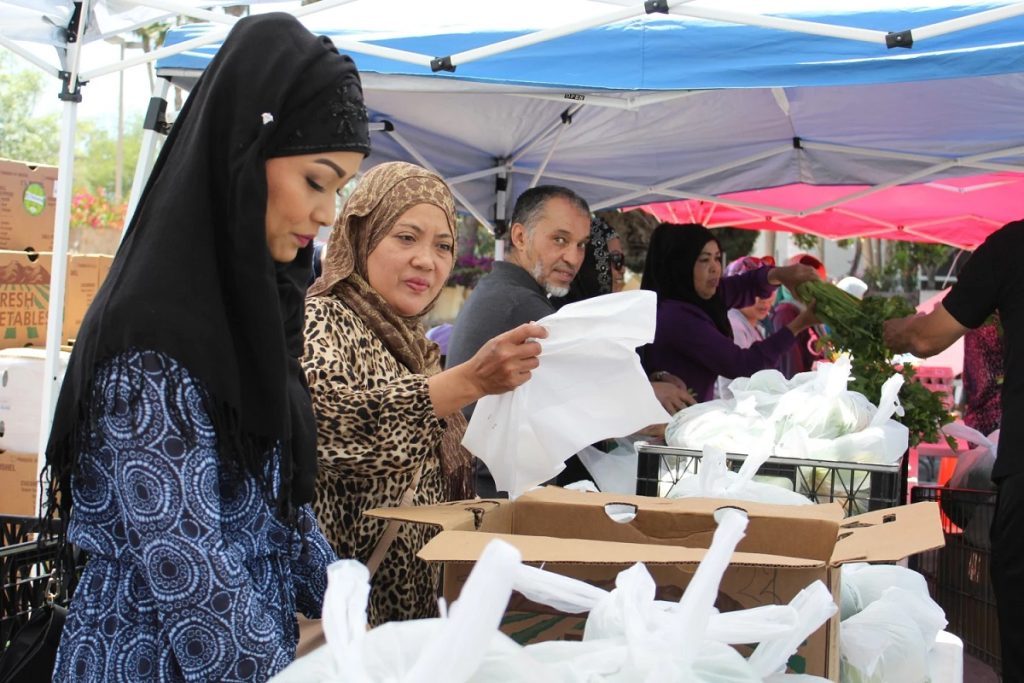
Latino Muslims have long existed at the crossroads of culture, language, and faith, yet their stories are too often told about them rather than by them. Misrepresentation, erasure, and superficial portrayals have flattened a deeply rich and diverse identity into stereotypes or temporary curiosities. This persistent marginalization is precisely why narrative ownership is not optional—it is essential.
For more than two decades, Latino Muslims across the United States have been building institutions, translating Islamic knowledge into Spanish, raising families in the faith, and shaping American Islam from within. Yet mainstream discussions frequently frame Latino Muslims solely through the lens of conversion, ignoring continuity, leadership, and long-term contribution. This approach strips Latino Muslims of authority over their own lived experiences.
Identity Rooted in History, Language, and Faith
The connection between Islam and Latino identity is not new. Linguistic, cultural, and historical ties—especially through Spain, Al-Andalus, and later migration patterns—demonstrate that Islam has influenced Latino heritage for centuries. From language to food traditions, these connections reinforce a sense of belonging that contradicts narratives portraying Latino Muslims as outsiders or anomalies.
Educational and academic spaces have played a critical role in uncovering these connections. Research into Islamic influences on Spanish and Portuguese culture reveals how deeply intertwined these histories truly are. Such discoveries affirm that embracing Islam is not a rupture from Latino identity, but often a rediscovery of historical roots.

Building Community Where Resources Were Scarce
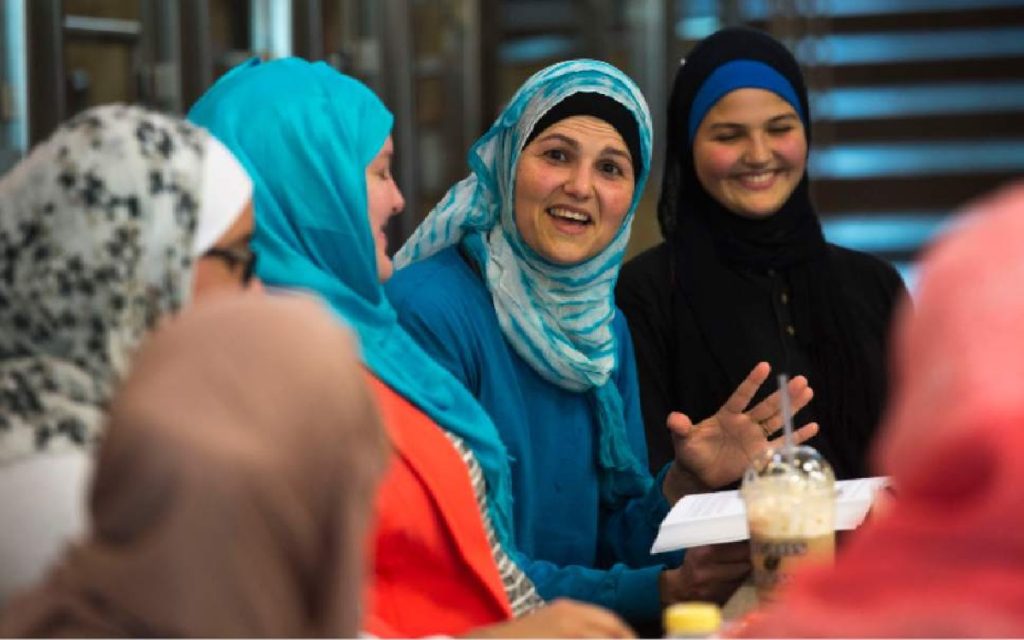
For many years, Spanish-language Islamic resources were extremely limited in the United States. Latino Muslims responded by creating their own infrastructure—translating religious texts, founding organizations, offering interpretation services, and supporting new Muslims navigating faith within culturally familiar frameworks. These grassroots efforts grew into nationwide networks that predated social media, sustained by dedication rather than visibility.
Community centers, mosques, and outreach programs in Latino-majority cities such as Union City, New Jersey, became hubs for religious education, cultural affirmation, and social support. Events like Hispanic Muslim Day—now more than two decades old—stand as evidence that Latino Muslim communities are not new, temporary, or marginal, but deeply rooted and enduring.
The Problem of Outsider Narratives
Despite this long-standing presence, Latino Muslim stories are frequently appropriated by outsiders—academics, journalists, or content creators—who lack lived experience. Too often, Latino Muslims are reduced to headlines, trends, or diversity checkboxes. In recent years, this problem has worsened with the rise of shallow, AI-generated content presented as “research,” further diluting authenticity and respect.
These practices do more than misinform; they actively harm communities by erasing nuance, flattening identity, and commodifying lived experiences. Latino Muslim history is not a product to be packaged—it is a collective memory shaped by struggle, faith, and resilience.
Beyond Conversion: Continuity and Contribution
Latino Muslims are not a monolith. They include converts and those born into Islam, families with roots across the Caribbean and Latin America, professionals, educators, activists, and scholars. Many have practiced Islam for decades, raised generations of Muslim children, and contributed meaningfully to dawah, education, and social justice in the United States.
Focusing solely on conversion narratives ignores what comes after the shahada: building lives, institutions, and futures. It also overlooks how Latino Muslims have navigated cultural, linguistic, and racial boundaries to strengthen the broader Muslim ummah.

Preserving History in Our Own Words
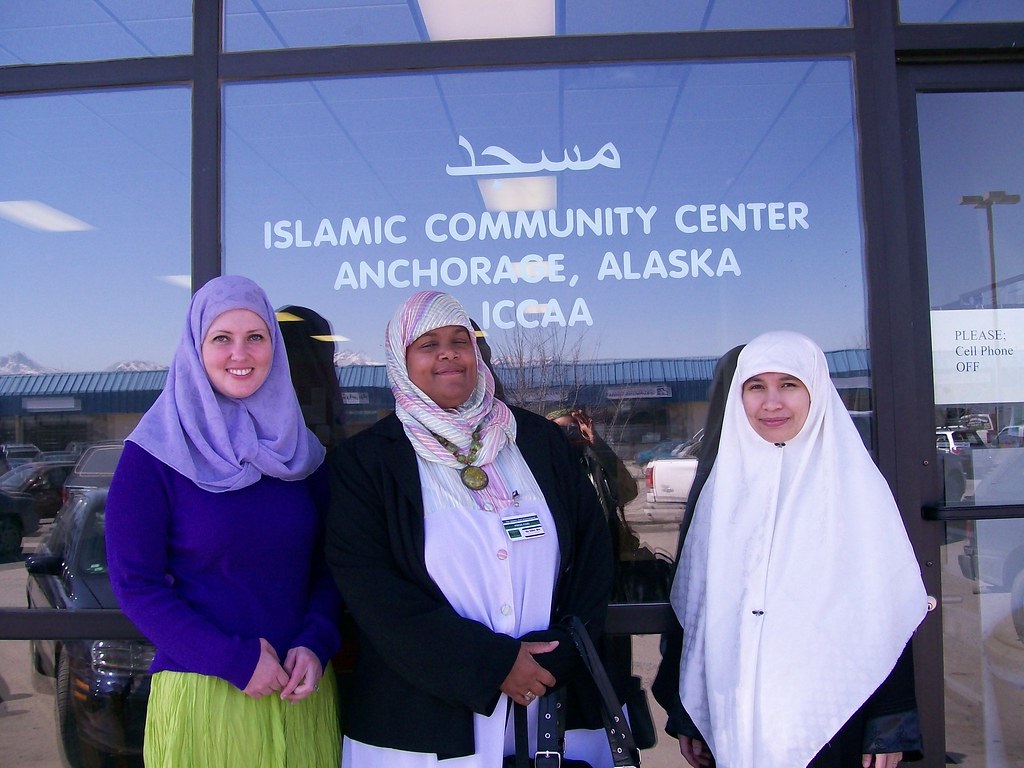
Narrative ownership is about dignity and survival. If Latino Muslims do not preserve their history, others will continue to distort it. Writing, researching, and speaking from within the community ensures that future generations inherit truth rather than stereotypes.
This responsibility does not rest solely on Latino Muslims. The wider Muslim community must uplift authentic voices, cite lived scholarship, and reject superficial representations. Respecting Latino Muslim narratives means recognizing their depth, honoring their labor, and understanding that diversity without authenticity is empty.
Latino Muslim stories are sacred. They deserve to be told with integrity, respect, and truth—by those who live them.