


Between October 1 and November 12, 2025, the United States experienced a 43-day government shutdown, the longest in its history, caused by disputes over a federal spending bill.
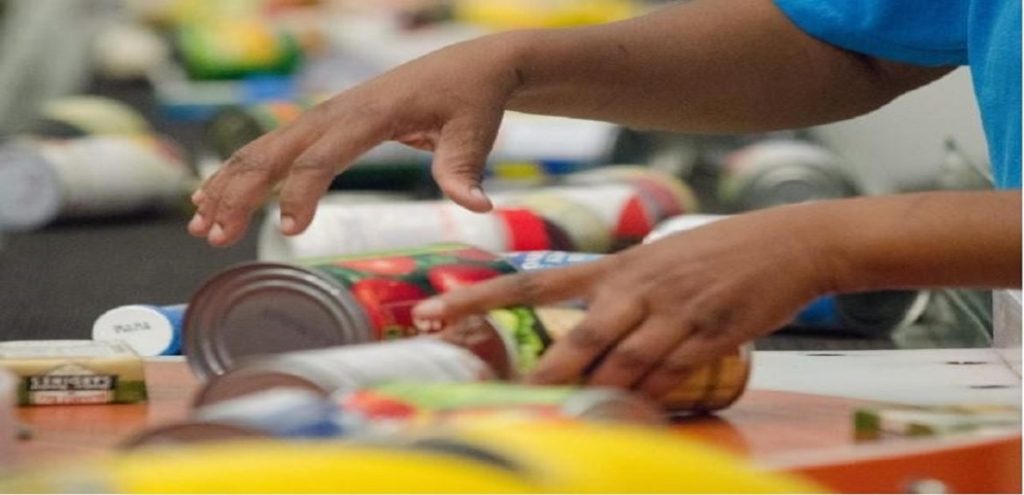
Thousands of federal workers were furloughed, while many others worked without pay. Most critically, this shutdown marked the first-ever suspension of SNAP benefits due to a lack of funding.
Hunger Amid Plenty
SNAP provides monthly food assistance to 42 million Americans (12% of the population), most of whom are children, seniors, and people with disabilities. As the shutdown extended into November, millions of families were suddenly left without food assistance, uncertain if or when benefits would return. Some states temporarily stepped in, but these measures were limited and short-lived.
Although SNAP funding was restored after the shutdown and secured through September 2026, the deeper crisis remains. Food prices continue to rise while wages stagnate. Meanwhile, the One Big Beautiful Bill Act (July 2025) mandates a 20% cut to SNAP over the next decade and introduces stricter work requirements—ensuring that more people will need help while fewer qualify to receive it. This crisis is compounded by the crushing cost of healthcare, which forces families to choose between food, rent, and medical care.
This reality represents a moral failure of governance. In one of the wealthiest nations on earth, widespread hunger persists while billions are spent on military operations abroad and tax breaks for corporations and the ultra-wealthy. The scale of injustice is undeniable.

Faith in Action
From an Islamic perspective, the Qur’an is explicit: feeding the hungry is a moral obligation, and denying aid to the vulnerable is a grave wrongdoing. Surah al-Balad and Surah al-Ma’un remind believers that righteousness is not limited to ritual worship, but is proven through compassion, generosity, and justice. Faith must be paired with action.
The Prophet ﷺ taught that believers must confront injustice with their hands, tongues, and hearts. In the face of hunger:
-
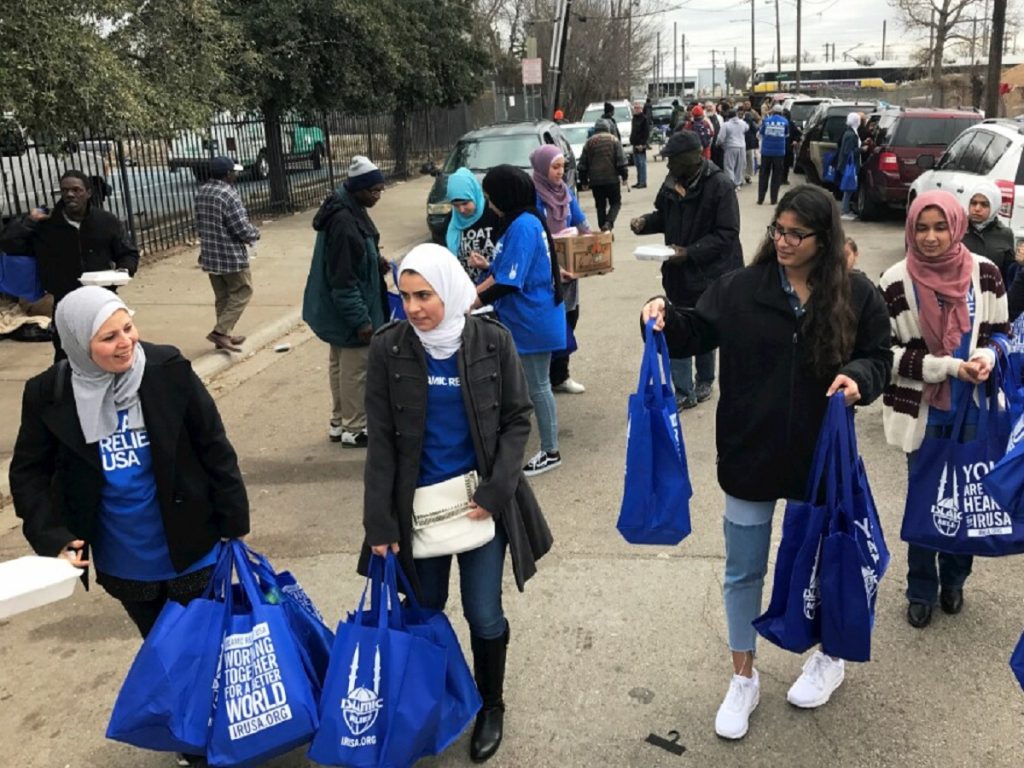
With our hands, we provide food, financial support, mutual aid, and strengthen food pantries, masjids, and community networks.
-
With our tongues, we advocate for just policies, speak publicly about hunger, and educate our communities.
-
With our hearts, we make du‘a, maintain taqwa, and seek Allah’s guidance for ourselves and those in power.
We may not solve hunger alone, but every act of giving reduces suffering. May Allah guide us to be people of action, justice, and mercy. Ameen.