


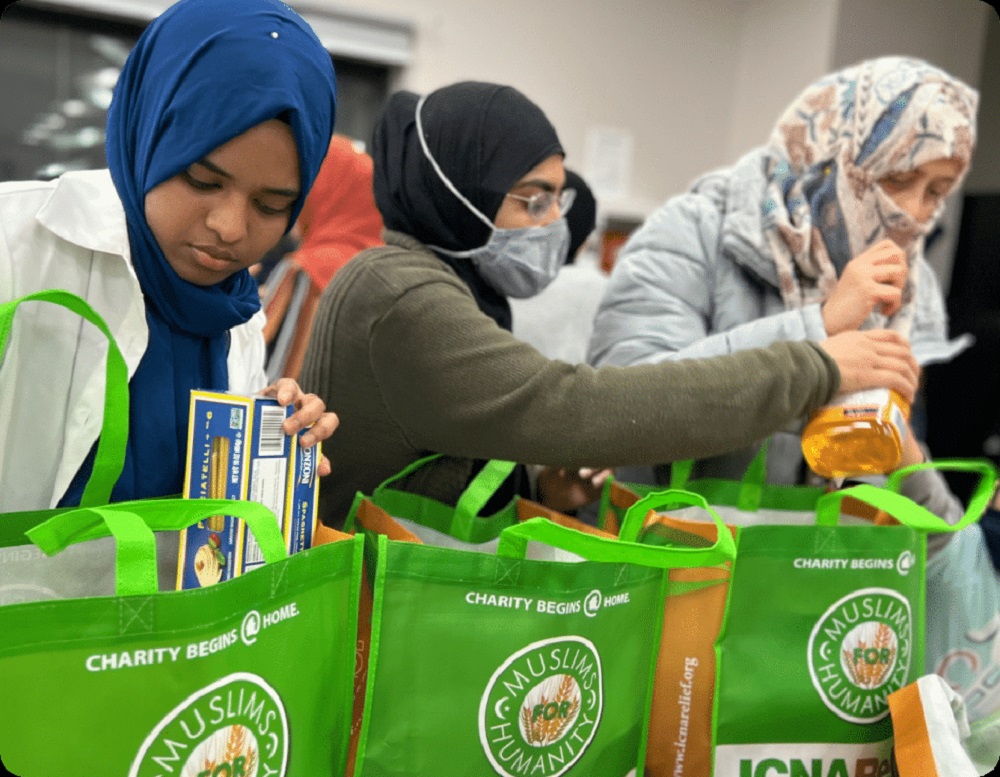
Muslim organizations in the United States play a significant and often underrecognized role in supporting the broader American society. Contrary to common misconceptions, the vast majority of Muslim charities and community organizations explicitly serve people of all faiths and backgrounds, guided by humanitarian values rather than religious affiliation.
Faith-Based Values with Universal Impact
Islamic charitable principles, particularly zakat (obligatory charity) and sadaqah (voluntary charity), emphasize helping those in need without discrimination. In the American context, this has translated into inclusive programs that serve entire communities. Muslim-led nonprofits frequently partner with churches, synagogues, secular NGOs, and local governments to address poverty, hunger, and social inequality.
Types of Assistance Provided
Across the United States, Muslim organizations offer a wide range of services to non-Muslims, including:
-
Food banks and free meal distributions open to everyone
-
Disaster relief for hurricanes, floods, wildfires, and winter storms
-
Free medical clinics and mental health services
-
Refugee and immigrant resettlement assistance
-
Educational support, scholarships, and job training programs
Organizations such as Islamic Relief USA, ICNA Relief, Penny Appeal USA, and local mosque-based charities explicitly state that their services are provided without regard to religion, race, or nationality.

Disaster Relief and Emergency Response
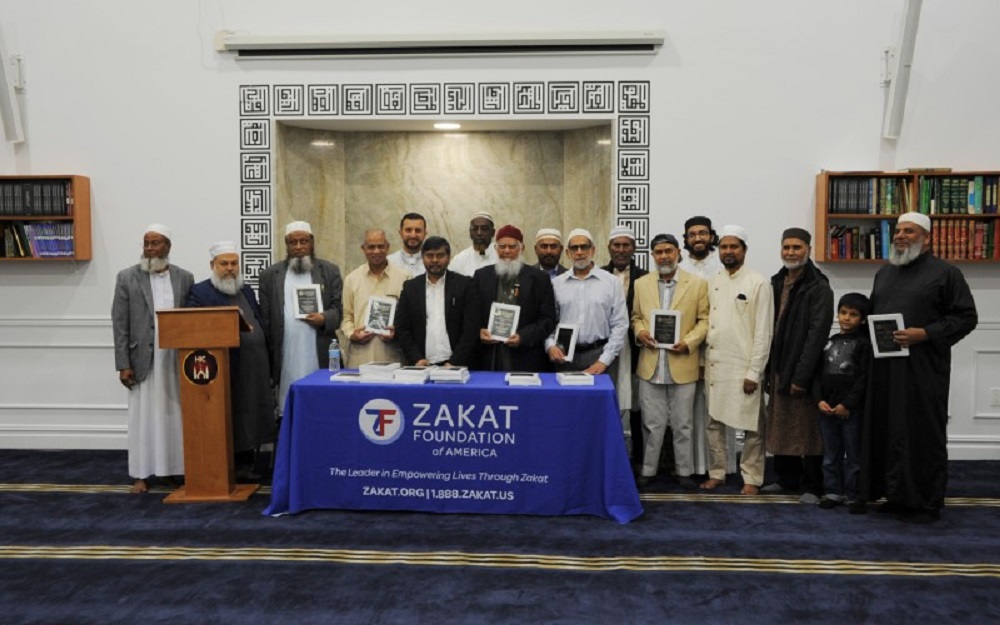
Muslim charities have been particularly visible during national crises. From responding to hurricanes in Texas and Florida to supporting communities affected by wildfires in California, these organizations deliver aid based on need alone. Volunteers and beneficiaries often come from diverse religious and cultural backgrounds, reflecting a strong commitment to national solidarity.
Strengthening Social Cohesion
By serving non-Muslims, Muslim organizations help build trust, reduce stereotypes, and strengthen social cohesion. Their work demonstrates how faith-based institutions can contribute positively to a pluralistic society, reinforcing shared American values such as compassion, civic responsibility, and mutual aid.
A Broader Contribution to American Civil Society
Beyond direct aid, Muslim organizations contribute to the U.S. economy through job creation, volunteer engagement, and partnerships with public institutions. Their inclusive approach highlights the important role that religious diversity plays in sustaining a resilient and compassionate civil society.