


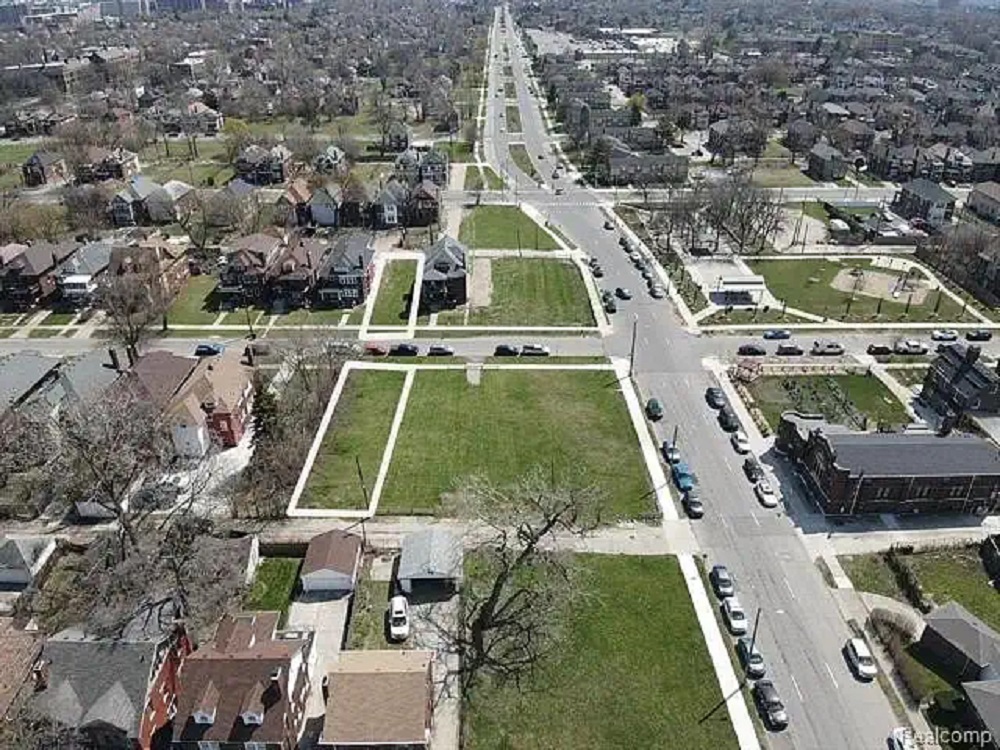
In the United States, Muslims—including Arab-Muslim communities—have equal rights to purchase and own land. Federal and state laws prohibit discrimination based on religion, ethnicity, or national origin, ensuring that all individuals can access property ownership under the same legal framework.
Legal Protections for Muslim Land Buyers
The Fair Housing Act and related state laws protect individuals from discrimination in property sales, rentals, and financing. This guarantees that Muslims, whether part of the Arab diaspora or other communities, have the same rights and opportunities as any other resident when purchasing land or homes.
Accessing Property in Different States
While the legal rights are equal, prospective buyers must follow state-specific real estate laws, zoning regulations, and tax requirements. Whether in California, New York, Texas, or other states, Muslims enjoy the same access to land, financing options, and property protections as other citizens.

Practical Challenges and Solutions
Despite legal equality, some Arab-Muslim buyers face practical challenges, including:
-
Language barriers
-
Limited familiarity with local property laws
-
Cultural differences in real estate negotiation
Community networks, Islamic centers, and professional real estate agents familiar with the needs of Muslim buyers often provide guidance, ensuring smooth transactions and access to available resources.
Empowering Muslim Communities Through Property Ownership
Ownership of land and property allows Arab-Muslim communities in the U.S. to strengthen cultural centers, mosques, schools, and community projects, contributing to social, cultural, and economic growth. By leveraging legal protections and community support, Muslims can fully exercise their property rights and build sustainable community infrastructures.