


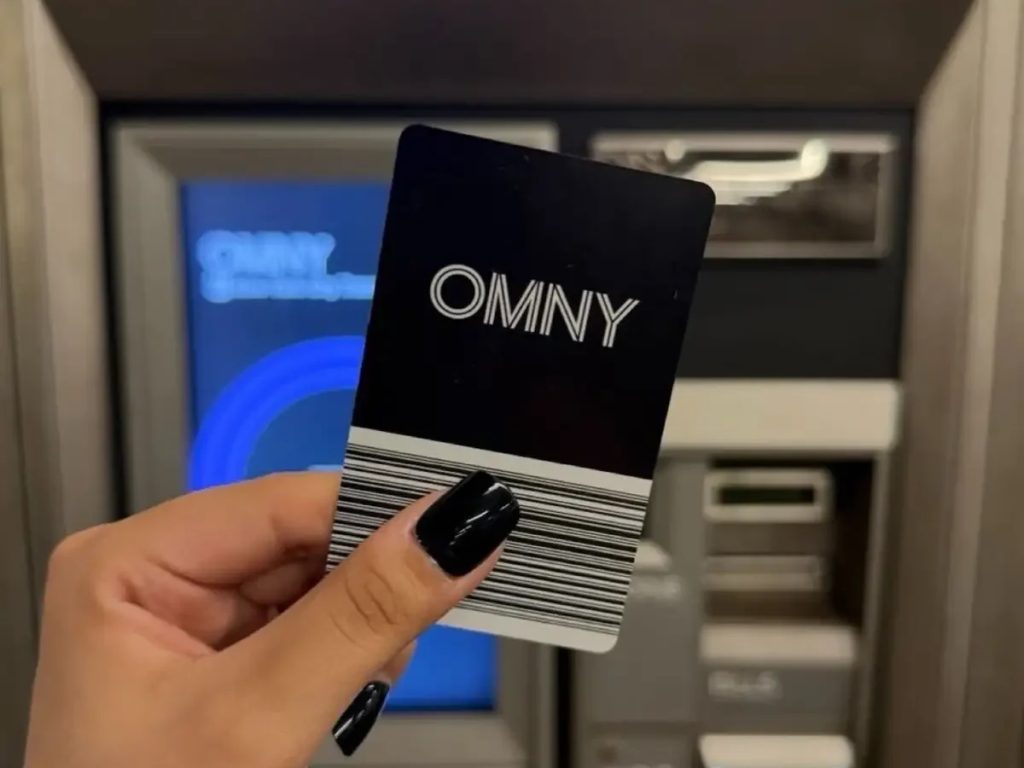
New York City’s crowded transit system is undergoing a major transformation, as the traditional MetroCard is being gradually phased out in favor of the modern OMNY tap-to-pay system. While this digital shift promises greater efficiency and flexibility for many riders, it also presents serious challenges and concerns for a vital segment of the population: seniors and people with disabilities. As the deadline for selling MetroCards approaches, thousands of New Yorkers are struggling to adapt to the new digital landscape.
The transition to OMNY—set to completely end MetroCard sales by January 1, 2026—marks the culmination of a shift that has taken nearly a decade. For older New Yorkers, this change is not simply about using a new card; it is about navigating unfamiliar technology that can be intimidating. Many seniors who relied on the simplicity of the MetroCard for decades now face a system that requires a different, often digital, skill set—one they may not have or feel comfortable using.
A Costly Learning Curve for Seniors
Consider the experience of a couple aged 87 and 97, who recently waited 30 minutes in cold weather to speak with a transit worker. Their goal was to transfer the remaining balance from their existing MetroCards to the new OMNY system. To their surprise, they were told that senior-discount MetroCards with photo IDs cannot be transferred at the mobile outreach van.
Instead, they were directed to travel to a specialized customer service center downtown—a trip that poses a major hardship for many elderly residents due to mobility issues or the complexity of navigating the city. This couple represents just two of the roughly 1.5 million New Yorkers enrolled in the reduced-fare program, many of whom face similar struggles.
Beyond logistical barriers, deeper concerns surround the nature of the OMNY system itself. Many seniors express anxiety about linking their OMNY cards directly to personal bank accounts or credit cards. The fear that a lost or stolen card could lead to drained bank accounts is a major deterrent. Additionally, a common complaint is OMNY’s inability to display the remaining balance directly at the turnstile—a convenient feature long provided by MetroCards. This lack of immediate transparency makes budgeting and fare tracking more difficult, especially for those who closely monitor their spending.
The emotional dimension of the MetroCard should not be underestimated. Many older riders lament the absence of personal photos on the new OMNY cards. For some, the photo was a point of pride—a small personal touch in an otherwise impersonal system. For others, it offered an added sense of security, making them feel that a lost card would be harder for someone else to use. As a result, the transition represents not only a technological shift, but also the loss of a familiar and somewhat personal element of daily commuting.
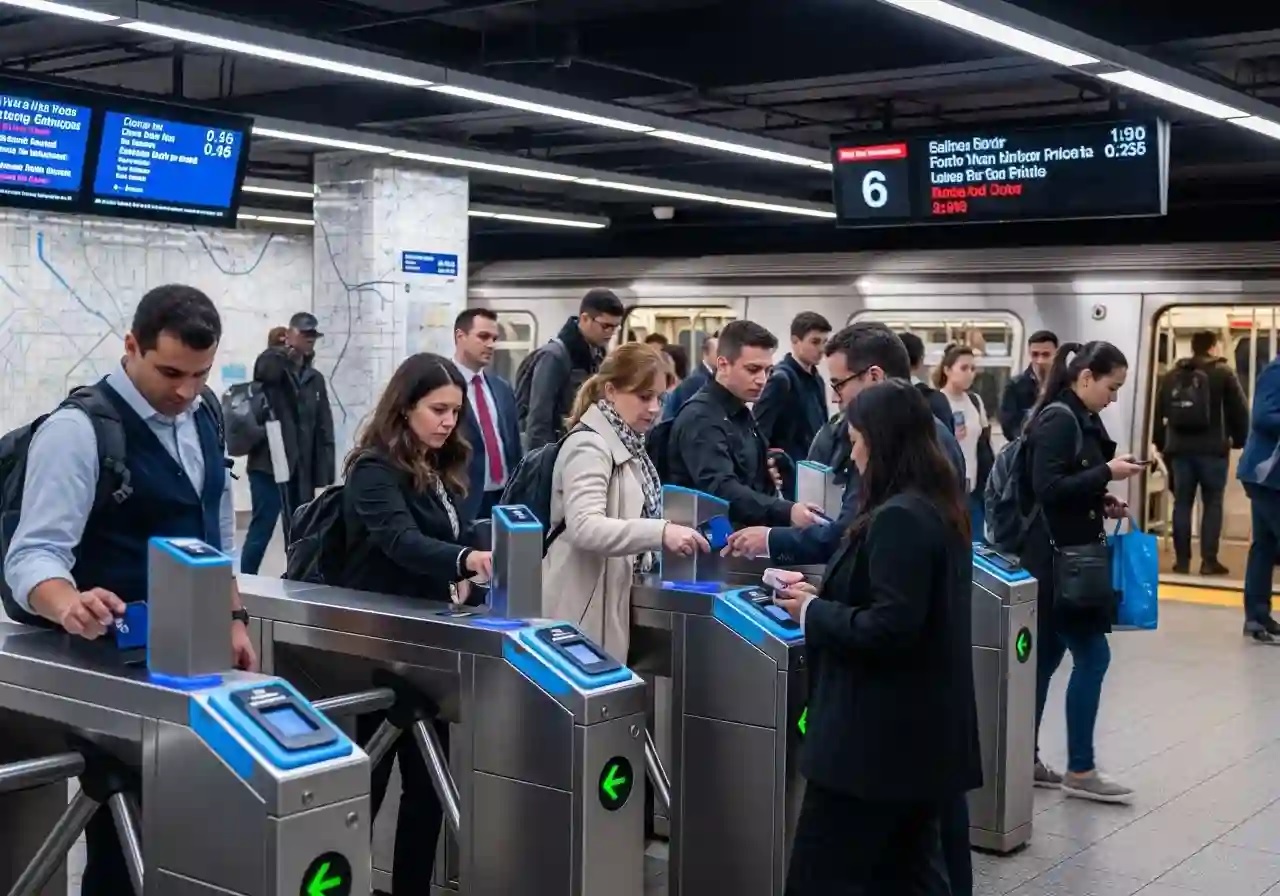
The challenges are even more pronounced for New Yorkers with disabilities. Disability rights advocates have raised serious concerns about how tap-to-pay options affect those who rely on paper vouchers for Access-A-Ride services. Many individuals with mobility impairments, particularly wheelchair users, have long depended on attaching paper vouchers to their clothing for easy access and processing. OMNY’s requirement to tap a card or device introduces a new barrier.

Accessibility Gaps in a Digital Transit System
For someone who struggles with fine motor control, handling cards, pressing app buttons, or managing a smartphone, digital payment methods can be extremely difficult. The simplicity of paper vouchers—easily managed by caregivers or family members—is now being replaced by a system demanding a different level of physical interaction, leaving many feeling underserved. Last year alone, nearly 100,000 Access-A-Ride trips were paid for using paper vouchers, underscoring the scale of the issue.
Although transit officials insist that a large majority—94%—of reduced-fare trips are already processed through OMNY, the remaining 6% still represent about 90,000 individuals facing ongoing difficulties. Officials promote OMNY’s benefits, such as increased accessibility and flexibility, yet many users remain unconvinced.
Fare-capping policies, designed to limit weekly spending, have also been met with skepticism. Some riders report inconsistencies in how fare-capping periods are calculated and confusion over tracking cumulative fares, highlighting a lack of clarity and trust in the system’s implementation.
As New York City moves toward a fully digital fare system, addressing the legitimate concerns of all residents is essential. While technological progress may be inevitable, ensuring a fair and accessible transition for everyone—especially seniors and people with disabilities—remains a critical necessity. The ongoing struggles reveal the urgent need for sustained support, clearer communication, and more inclusive solutions to bridge the digital divide in urban transportation.