


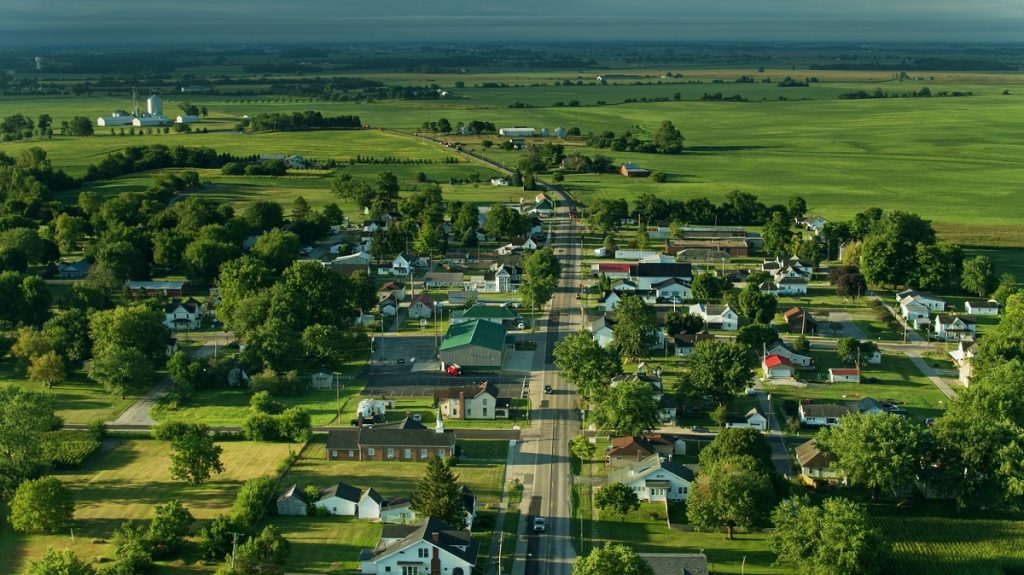
For many Arab Muslims living in rural or small-town America, relocating to a major U.S. city—such as New York, Chicago, Houston, Los Angeles, or Washington, D.C.—can offer new opportunities, stronger community networks, and better access to services. However, the transition also comes with higher costs, social adjustments, and cultural challenges. Asking the right questions before making the move is critical to long-term stability and well-being.
1. Can I Afford the Real Cost of Urban Life?
One of the most important questions is whether your income can realistically support city living.
-
How much higher is rent compared to my current rural area?
-
Can I afford first month’s rent, security deposit, and broker or application fees?
-
How much will transportation, parking, and insurance cost?
Urban living can increase monthly expenses by 40–100%, especially in housing and childcare.

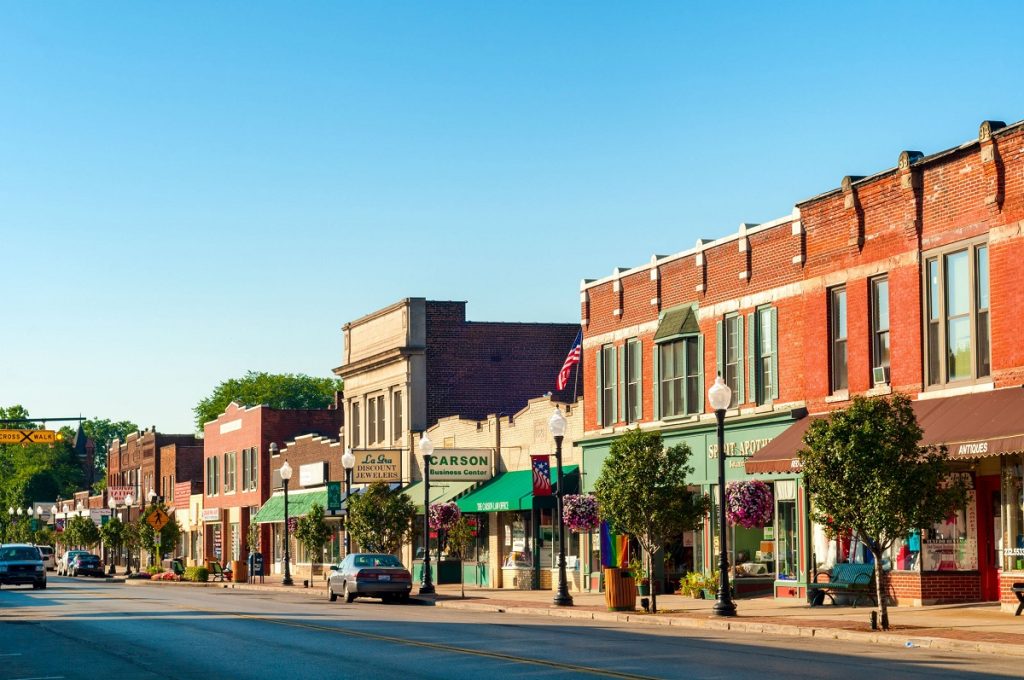
2. Is There an Established Arab Muslim Community?
Community presence matters deeply for religious, social, and emotional support.
-
Are there mosques within reasonable distance?
-
Are there Arabic-speaking communities or cultural centers?
-
Are halal grocery stores and restaurants easily accessible?
Cities with long-established Arab Muslim communities provide informal support systems that ease integration and reduce isolation.
3. Will I Feel Religiously Safe and Respected?
Safety is not only physical—it is also cultural and religious.
-
Can I openly practice Islam without fear of discrimination?
-
How common are Islamophobic incidents in the area?
-
Are employers and schools accommodating of prayer, hijab, and religious holidays?
Large cities may be more diverse but can also experience higher visibility-related tensions.
4. How Will This Move Affect My Children?
Families must carefully evaluate education and upbringing.
-
Are public schools culturally inclusive and academically strong?
-
Are there Islamic or Arabic-language schools nearby?
-
Will my children maintain their religious and linguistic identity?
Urban areas often offer better educational resources, but exposure to different values requires active parental involvement.

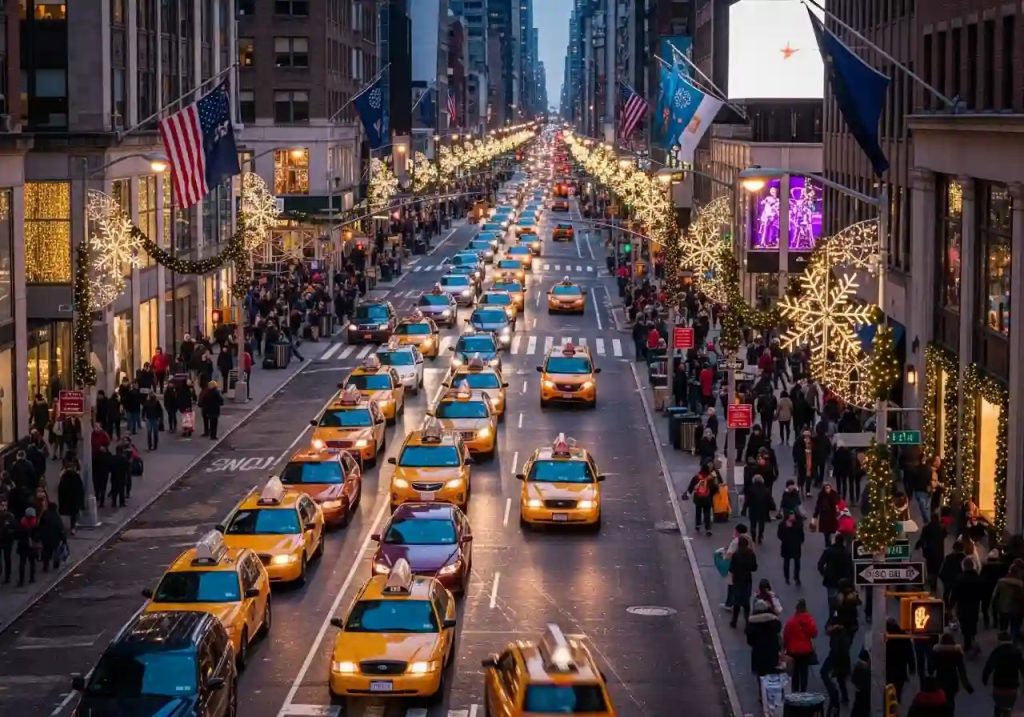
5. What Are the Employment Opportunities and Risks?
Cities provide more jobs—but also more competition.
-
Will my profession pay enough to justify the higher cost of living?
-
How stable is employment in my field in this city?
-
Will professional networks exist within the Arab or Muslim community?
A job offer that seems strong in rural America may be financially insufficient in a major city.
6. Am I Prepared for the Cultural Shift?
Moving from rural America to an urban environment is not only financial—it is psychological.
-
Am I comfortable with crowded spaces and fast-paced living?
-
Will I lose the sense of quiet and privacy I currently enjoy?
-
Can I navigate public transportation and complex city systems?
Urban life offers diversity and opportunity but demands adaptability.
7. What Legal and Administrative Changes Will I Face?
Relocation often requires bureaucratic adjustments.
-
Will my immigration status or documentation be affected?
-
Do local laws differ regarding housing, business licensing, or schooling?
-
How complex is healthcare access in the new city?
Large cities often have better legal resources but more complex systems.

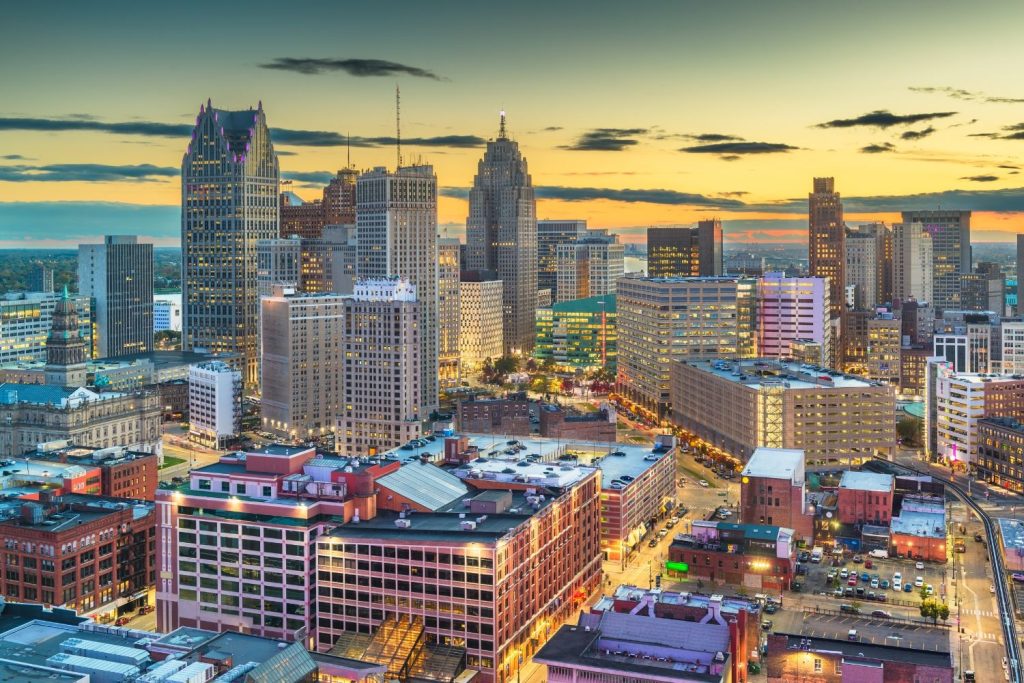
8. Do I Have an Exit Plan If Things Don’t Work Out?
Every responsible move includes a backup plan.
-
Do I have savings to survive 3–6 months without income?
-
Can I return to my rural community if needed?
-
Will this move limit or expand my future options?
Financial and emotional resilience is essential during major life transitions.