


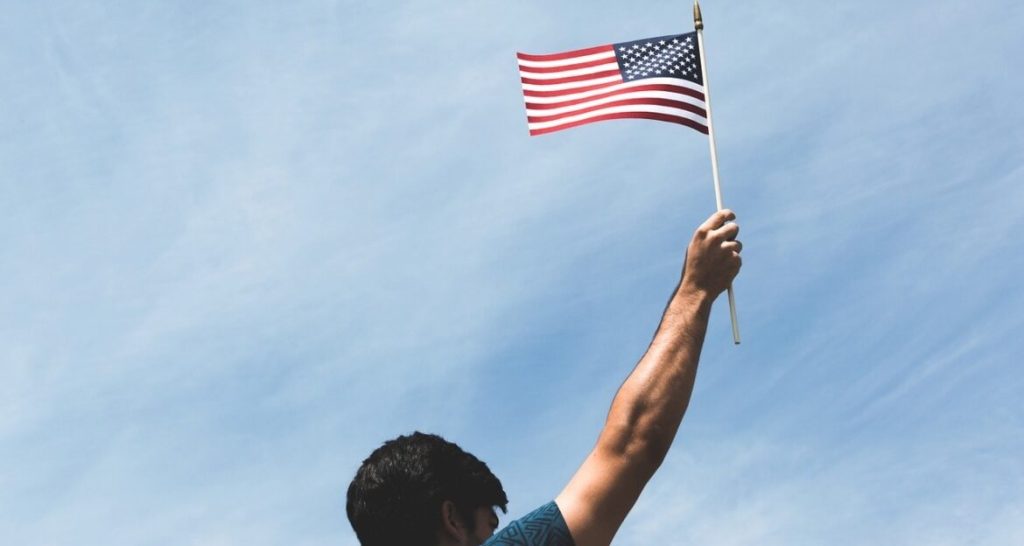
Immigrants in the United States are entering 2026 under an unprecedented level of anxiety, as promises of a so-called “mass deportation plan” have shifted from political rhetoric into tangible policy, backed by billions of dollars in federal funding.
While fear has traditionally centered on undocumented immigrants, a far more urgent question is now being asked in major cities such as New York, Chicago, and Dearborn: Are naturalized U.S. citizens still safe?
A War of Attrition in “Sanctuary Cities”
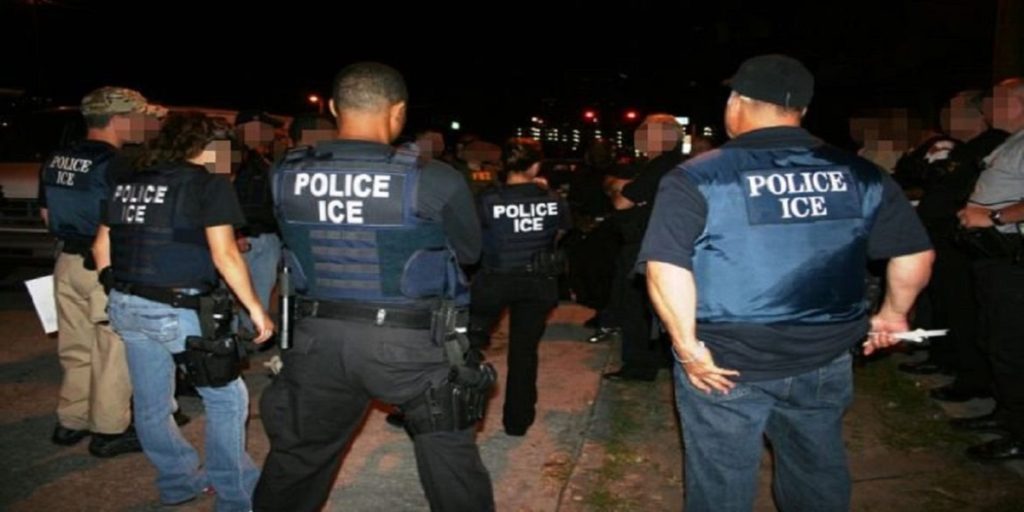
Major U.S. cities are witnessing a constitutional confrontation between the federal government and local authorities. Washington has begun actively enforcing a “no support for sanctuary cities” policy, threatening to cut hundreds of millions of dollars in federal funding to municipalities that refuse to cooperate with Immigration and Customs Enforcement (ICE).
Pressure is no longer limited to physical raids. Instead, enforcement has entered a new phase of automation, with artificial intelligence technologies being used to cross-reference health, education, and administrative databases to locate individuals targeted for deportation.

Naturalized Citizens Under Scrutiny: The Return of Denaturalization
In response to growing concerns, the answer is increasingly unsettling: yes, there are real fears. In late 2025, the administration expanded its use of the “administrative denaturalization process.” Although U.S. citizenship has long been considered a strong legal shield, existing loopholes have come under renewed focus.
These include:
-
Retroactive File Reviews: AI-assisted audits of decades-old naturalization files to identify alleged “material misrepresentation” or omitted information—even if minor—at the time of application.
-
Political Associations: Reports have emerged of cases involving individuals accused of past affiliations with organizations now labeled by the administration as “hostile,” opening legal pathways to challenge citizenship on grounds of “disloyalty” at the time of the oath.
Civil Rights Pushback and Community Defense
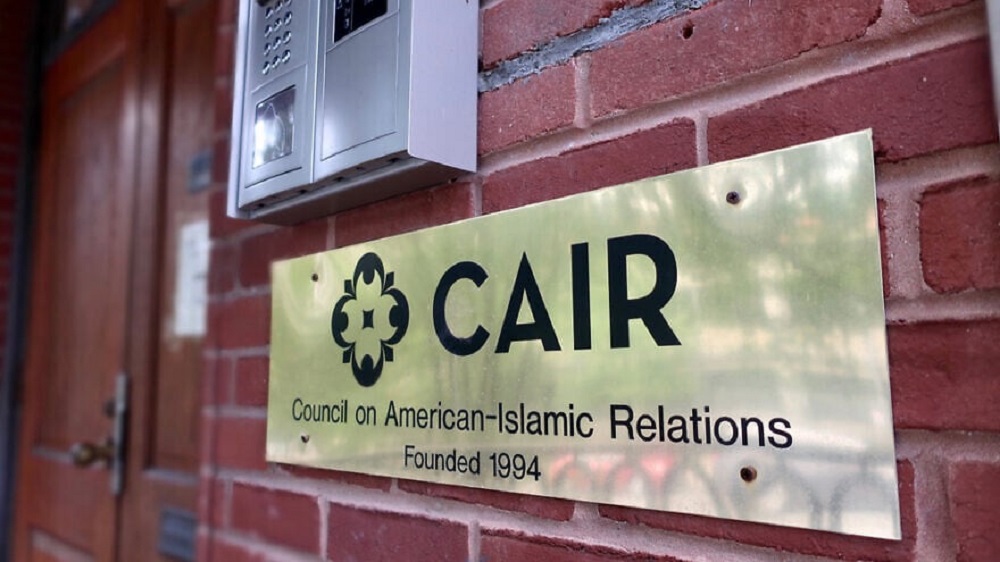
As hate speech incidents reportedly surge by 900%, civil rights organizations such as the Council on American-Islamic Relations (CAIR) have released updated emergency legal guides. One legal advisor within the immigrant community warned:“Citizenship is not easily revoked—it usually requires a court ruling. The real danger lies in creating a climate of fear that pushes people out of public life altogether.”

Conclusion: Preparedness, Not Panic
The year 2026 is shaping up to be a legal stress test for immigrant communities across the United States. The most critical message is clear: knowledge is power. Maintaining accurate records, consulting specialized immigration attorneys upon receiving any federal notice, and strengthening community solidarity remain the strongest defenses against escalating enforcement policies.
The survival of sanctuary cities is no longer just a political dispute—it has become the final line of defense for the social fabric upon which modern America was built.