



Relocating from one American city to another is a major financial and social decision, especially for Arab Muslim families, who often consider not only housing and employment, but also community presence, religious infrastructure, schools, and cultural safety. The total cost of moving and settling can vary dramatically depending on the destination city, family size, and lifestyle choices.
1. Moving and Transportation Costs
The initial cost of moving typically includes transportation of belongings, temporary accommodation, and travel expenses.
-
Local move (within the same state): $800–$2,500
-
Interstate move (long-distance): $2,500–$7,500
-
Self-move with rental truck: $1,200–$3,000
-
Shipping a vehicle: $900–$1,500
Arab Muslim families with larger households often incur higher costs due to furniture volume and extended family needs.


2. Housing and Rental Deposits
Housing is usually the largest financial burden during relocation.
-
Security deposit: 1–2 months’ rent
-
Average monthly rent (mid-sized city):
-
1-bedroom: $1,200–$1,800
-
3-bedroom (family-sized): $2,200–$3,500
-
-
First month’s rent upfront: Required in most cities
Cities with strong Arab Muslim communities—such as Dearborn (MI), Chicago, Houston, Dallas, New Jersey, Northern Virginia, and parts of California—often have higher demand in specific neighborhoods near mosques and halal markets.
3. Cost of Living Adjustments
Beyond rent, families must prepare for new living expenses:
-
Utilities (electricity, gas, water, internet): $250–$400/month
-
Groceries (halal-focused household): $600–$1,200/month
-
Transportation (car, insurance, fuel): $500–$900/month
-
Healthcare and insurance changes: $200–$600/month
Halal food can be 10–20% more expensive in cities with fewer Arab or Muslim residents, while costs are often lower in established diaspora hubs.

4. Education and Childcare
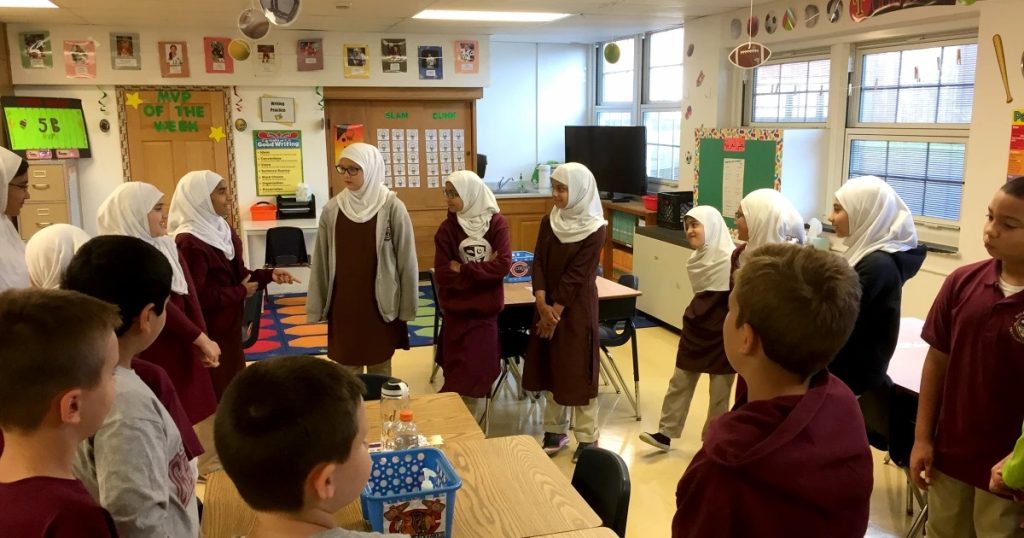
Education plays a critical role for many Arab Muslim families.
-
Public schools: Free, but quality varies by district
-
Islamic private schools: $6,000–$12,000 per child annually
-
Daycare/childcare: $900–$1,600/month per child
Families relocating specifically for better school districts often face higher housing costs in exchange for educational stability.
5. Religious and Community Integration Costs
Unlike general relocation expenses, Arab Muslim families also factor in religious and cultural integration:
-
Mosque donations and community dues
-
Weekend Islamic schools
-
Arabic language programs
-
Community fundraising expectations
While not mandatory, these expenses are culturally significant and can add $1,000–$3,000 annually.
6. Employment Transition and Income Gaps
Many families experience a temporary income gap during relocation:
-
Job transition period: 1–3 months on average
-
Loss of local business networks
-
Credential transfers (especially for immigrants)
It is recommended to have 3–6 months of savings, typically $15,000–$35,000, to ensure financial stability.
7. Total Estimated Cost of Relocation and Settlement
For a family of four, the realistic cost of moving and settling in a new U.S. city is:
-
Low-cost cities: $10,000–$18,000
-
Mid-range cities: $18,000–$30,000
-
High-cost cities (NYC, Bay Area, DC): $30,000–$50,000+
These estimates cover the first 2–3 months of settlement, not long-term expenses.


8. Why Community Matters Financially
Arab Muslim communities often rely on informal support networks—shared childcare, job referrals, housing leads, and religious institutions—which can significantly reduce long-term costs. Cities with established communities tend to offer greater financial resilience, even if upfront costs are higher.