


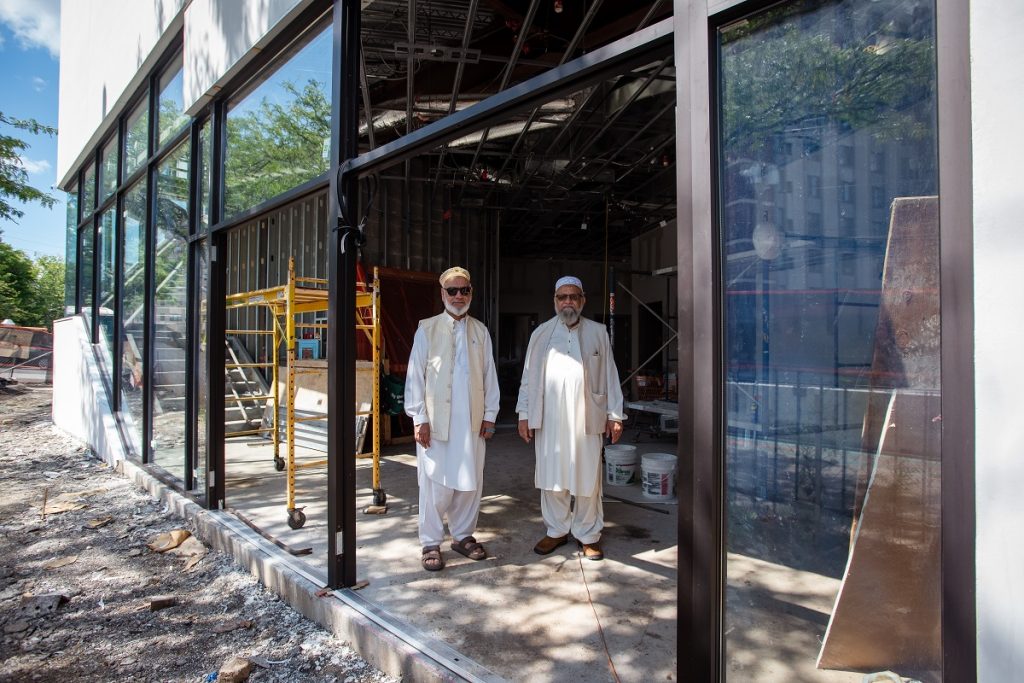
The Arab and Muslim communities in the United States are diverse, vibrant, and contribute significantly to the social, cultural, and economic fabric of the country. These communities include immigrants, refugees, and U.S.-born citizens, representing multiple nationalities, languages, and religious backgrounds. Despite their contributions, many face unique economic challenges, shaped by factors such as immigration history, educational attainment, and labor market participation.
Demographic and Economic Overview
According to the Arab American Institute and Pew Research Center:
-
Population: There are approximately 3.7 million Arab Americans and 3.5 million Muslim Americans in the U.S., with some overlap between the groups.
-
Geographic Distribution: The largest populations reside in Michigan (especially Detroit and Dearborn), New York, California, Illinois, and Texas.
-
Education Levels: Arab Americans have higher-than-average educational attainment, with 40% holding a bachelor’s degree or higher. Muslim Americans, while diverse, also show strong engagement in higher education, particularly among younger generations.
-
Employment and Income: The median household income for Arab Americans is around $65,000, slightly higher than the national median. Muslim American households show varied income levels, with many middle-class families, but a significant portion—especially refugees and recent immigrants—earn below the national average.
-
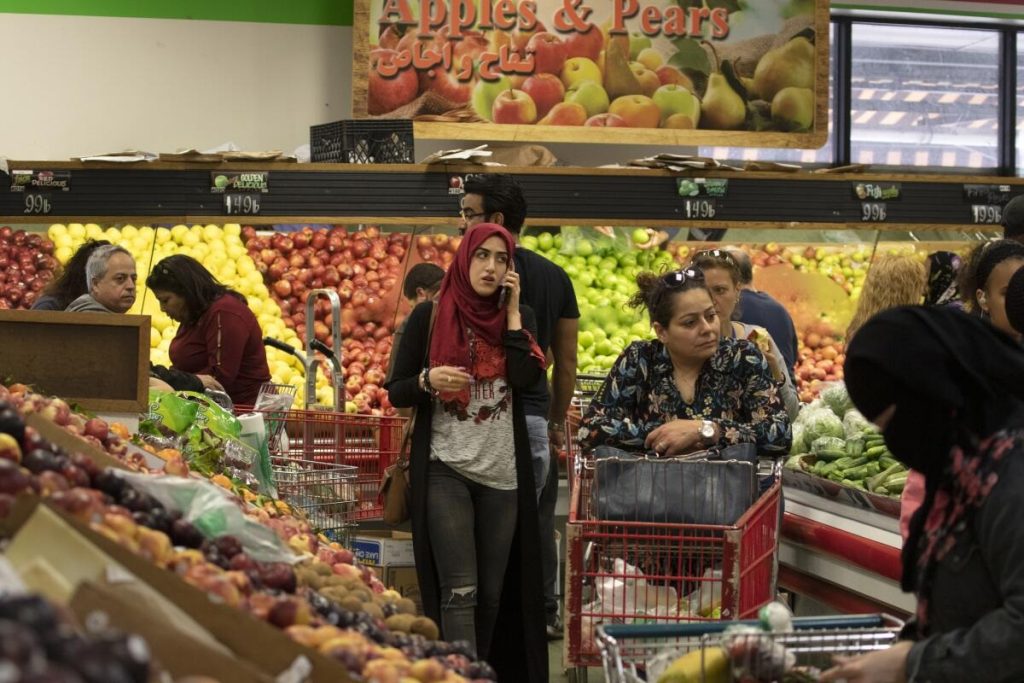
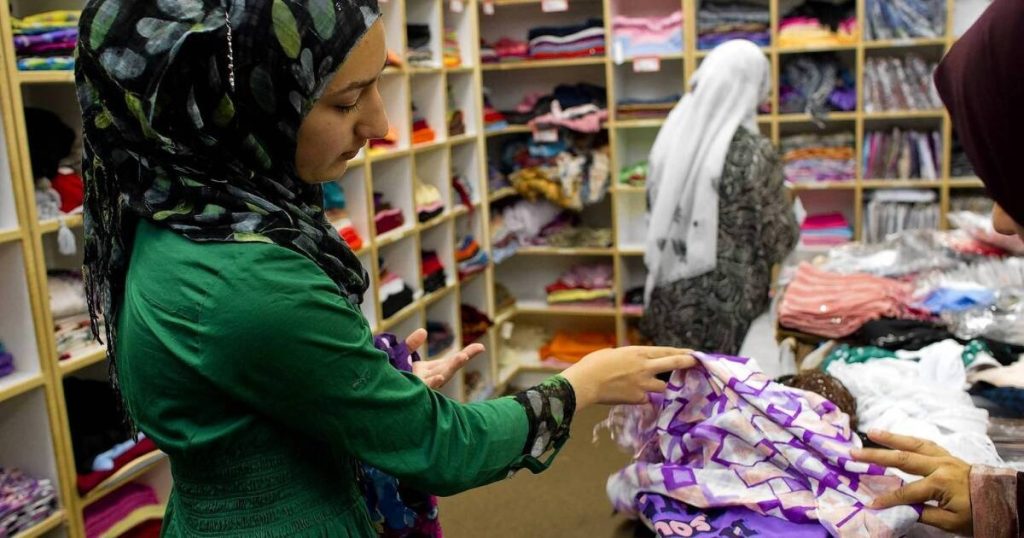
Entrepreneurship: Arab and Muslim Americans demonstrate a high rate of entrepreneurship, particularly in retail, hospitality, healthcare, and professional services. Estimates suggest that around 10–15% of working-age Arab Americans own small businesses.
Key Economic Challenges
Despite notable successes, Arab and Muslim communities face structural and social barriers:
-
Discrimination and Bias in Employment: Studies show that Arab and Muslim Americans may encounter hiring discrimination, wage gaps, and barriers in career advancement.
-
Impact of Immigration Status: Refugees and recent immigrants often accept low-wage jobs or struggle with credential recognition, limiting upward mobility.
-
Housing and Cost of Living Pressures: Many Arab and Muslim families reside in urban centers with high housing costs, creating economic strain despite moderate incomes.
-
Health and Social Services Access: Economic hardship is compounded by limited access to culturally competent healthcare, social services, and financial assistance programs.
Community Resilience and Support Systems
Arab and Muslim communities have developed strong support networks to mitigate economic challenges:
-
Faith-based organizations provide financial aid, educational programs, and employment resources.
-
Nonprofit organizations such as the Arab American Institute and Islamic Relief USA assist with economic empowerment, workforce development, and small business support.
-
Local community initiatives in areas like Dearborn, Michigan, include mentorship programs, microloans, and cooperative business ventures.

Conclusion
While Arab and Muslim Americans contribute significantly to the U.S. economy, they navigate complex socioeconomic challenges. Education, entrepreneurship, and strong community networks remain central to their economic resilience. Continued support through policy initiatives, community programs, and equitable access to employment and financial resources is crucial to ensuring long-term prosperity for these communities.