


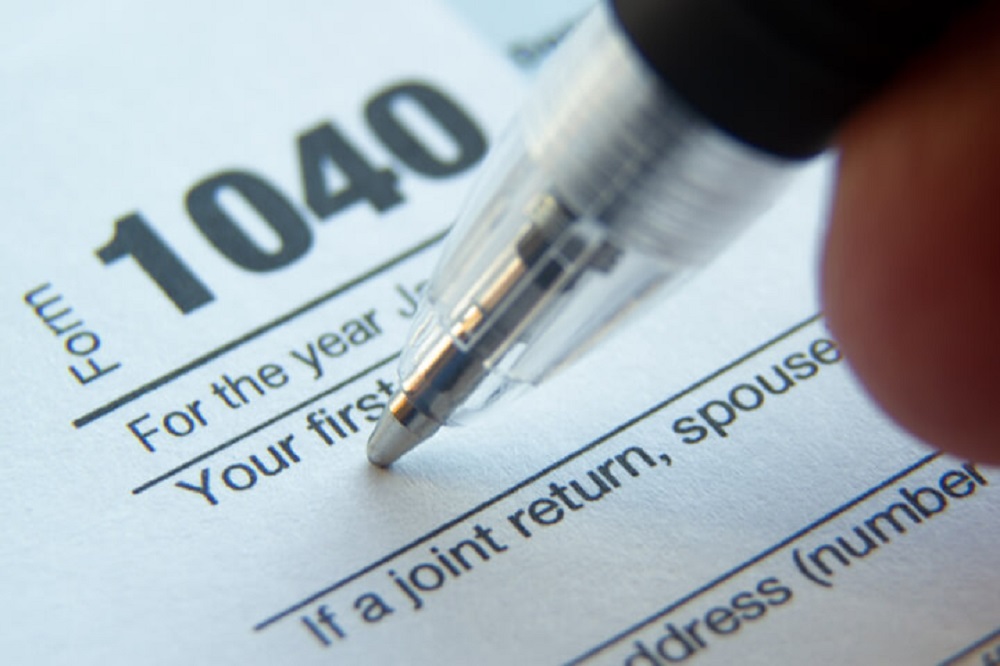
Officials in President Donald Trump’s administration expect Americans to receive the largest tax refunds in U.S. history by the start of the new year, driven by sweeping changes introduced under Trump’s so-called “Big Beautiful” tax law.
Earlier this month, Republican Congressman Jason Smith of Missouri, Chairman of the House Ways and Means Committee, stated that 2026 is shaping up to be “the biggest tax refund season ever.”
Tax Changes Behind the Expected Refund Surge
According to The Hill, tax attorney Adam Brewer of AB Tax Law explained that due to the recent tax law changes, most Americans are likely to receive larger refunds in 2025, although the exact amount will depend heavily on each taxpayer’s individual financial situation.
While many of the most significant reforms will take effect in 2026 and influence future tax filings, several key provisions already apply this year. These include an increased standard deduction, a higher cap on state and local tax deductions (SALT), an additional $6,000 deduction for seniors, and tax exemptions on tips, overtime pay, auto loan interest, and certain work-related earnings.
Brewer noted that the new law creates clear winners and losers. “Not all income is taxed equally anymore,” he said. “Someone whose income relies heavily on overtime or tips could pay significantly less in income tax than someone earning a similar amount through a fixed salary.”
U.S. Treasury Secretary Scott Bessent echoed Smith’s remarks, predicting “very large tax refunds” for Americans in early 2026. He explained that because the law was passed in July and most workers did not adjust their withholding rates, excess taxes were collected throughout the year.
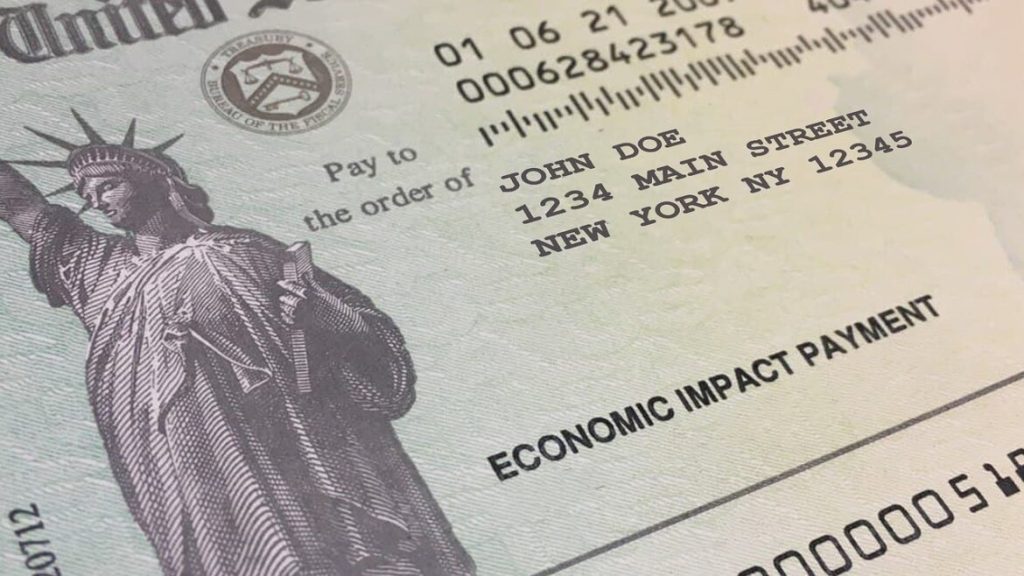
“I expect refunds between $100 and $150 billion nationwide, which translates to roughly $1,000 to $2,000 per household,” Bessent said, adding that once withholding rates are adjusted, workers will see higher take-home pay.

Who Benefits Most From the New Tax Law?
However, experts stress that a larger refund does not mean higher income, but rather that taxpayers overpaid during the year and are now being reimbursed.
Despite the anticipated refunds, not all Americans are expected to benefit equally. Multiple independent research institutions have concluded that the tax law disproportionately favors high-income earners and corporations.
An analysis by the Congressional Budget Office (CBO) found that the top 10% of earners would gain an average of $12,000 annually, while the bottom 10% would lose approximately $1,600 per year, largely due to reductions in Medicaid funding and food assistance programs.