


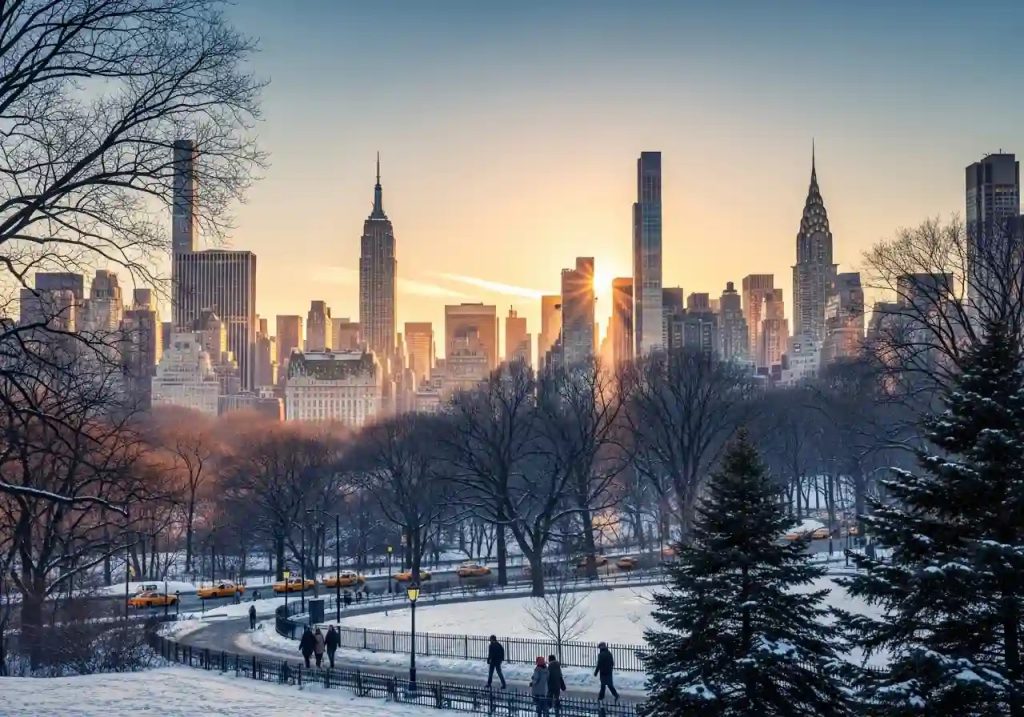
Winter in the United States is more than a season; it is a cultural, social, and psychological test—especially for Muslim and Arab communities, many of whom come from regions where cold weather is short, mild, or largely symbolic. From the snow-heavy Midwest to the icy Northeast, winter reshapes daily life, religious practice, family routines, and even identity.
Climate Shock and Daily Adaptation
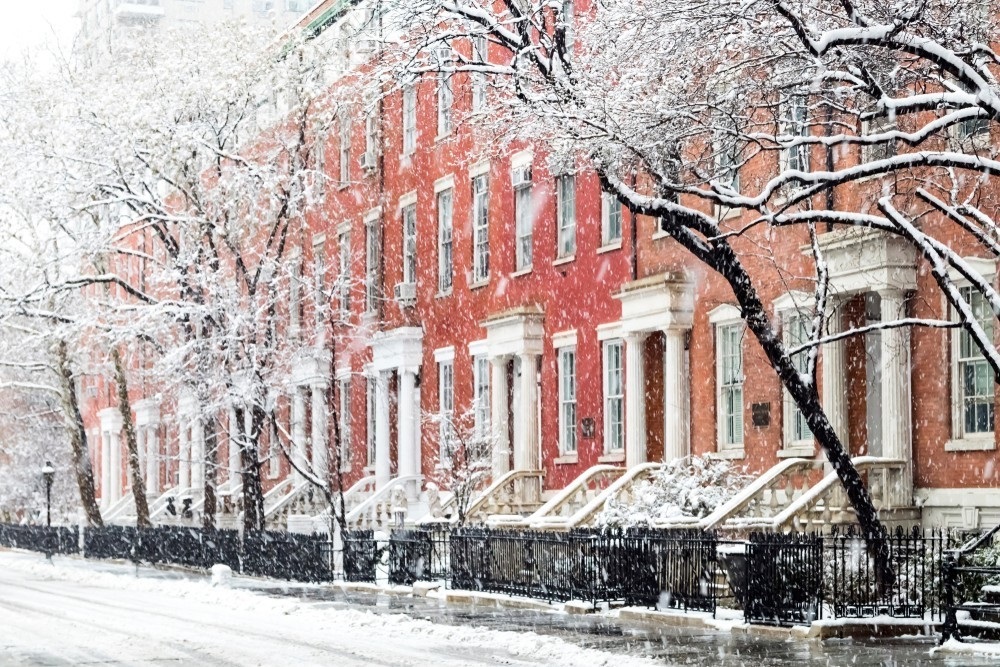
For newly arrived immigrants and refugees, the first American winter often comes as a shock. Temperatures that drop below freezing for months, heavy snowfall, and early sunsets radically alter how people move, dress, and interact. Simple tasks—walking to the mosque, waiting for public transportation, or grocery shopping—require layers of clothing, winter boots, and careful planning.
Over time, adaptation becomes second nature. Arab and Muslim families learn to read weather apps as carefully as prayer schedules. Cars are winterized, homes are insulated, and social life shifts indoors. Community centers, mosques, and living rooms become vital spaces of warmth and connection.
Faith in the Cold: Worship and Religious Practice
Winter poses unique challenges—and advantages—for Muslim religious life. Shorter days mean shorter fasting hours during Ramadan when it falls in winter, a welcome relief compared to long summer fasts. At the same time, attending daily prayers or Friday congregational prayer (Jumu‘ah) in snowstorms or subzero temperatures requires determination, especially in cities with limited public transportation.
Mosques across the U.S. often adjust by offering flexible prayer schedules, heated entrances, and expanded community services. For many Muslims, the physical effort required to attend prayers in winter deepens their sense of spiritual commitment.

Family Life and Cultural Continuity
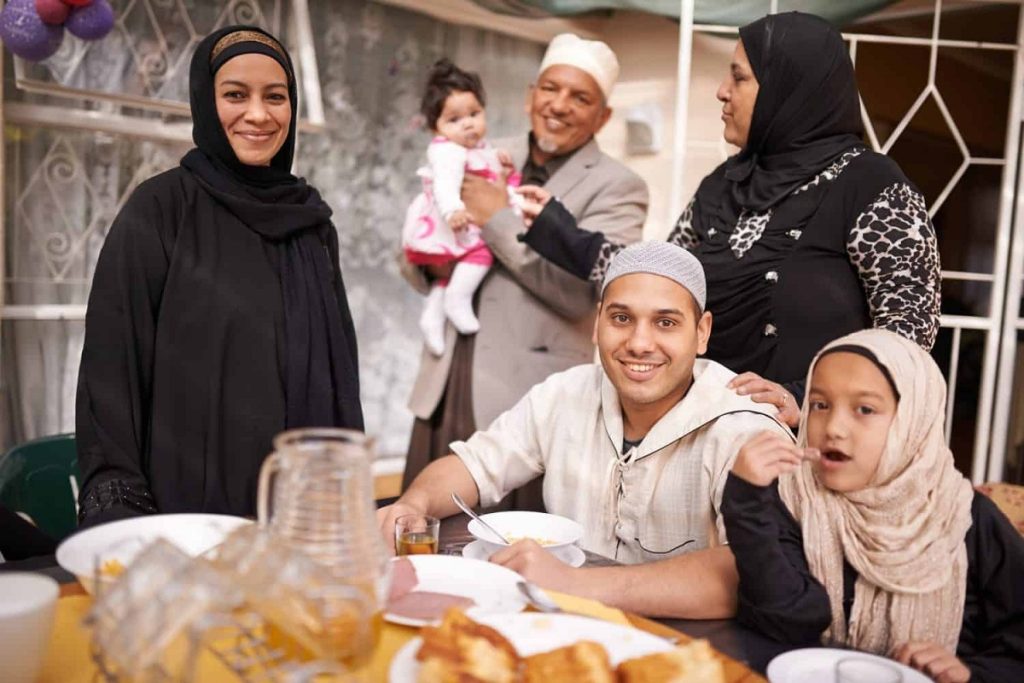
Winter accelerates the inward turn of family life. Arab households revive traditions that mirror those of the Middle East and North Africa: hot soups, stews, lentils, spiced teas, and long evening conversations. Dishes like harira, shorba, lentil soup, and slow-cooked rice become staples, offering both nourishment and emotional comfort.
Storytelling, Arabic-language TV series, Qur’an recitation, and communal meals help preserve cultural identity during months of isolation. For children growing up in the U.S., winter becomes a time when cultural memory is transmitted most intensely within the home.
Work, School, and Economic Pressures
Winter also exposes class and labor inequalities. Many Arab and Muslim Americans work in sectors heavily affected by weather—delivery services, construction, retail, and transportation. Snowstorms can mean lost wages, dangerous conditions, or job insecurity.
For students, especially those wearing hijab or traditional clothing, winter brings additional challenges: navigating dress codes, combating stereotypes, and enduring casual Islamophobia heightened by visible difference. Yet many also find winter a time of academic focus, as social distractions diminish.
Mental Health and Emotional Distance
Seasonal depression, loneliness, and cultural isolation often intensify in winter. For immigrants separated from extended family and warmer homelands, the long American winter can deepen feelings of exile. Sunlight scarcity and reduced social interaction compound emotional strain.
In response, Muslim and Arab communities increasingly organize winter programs: mental health workshops, youth activities, religious lectures, and charity drives. These initiatives transform winter from a period of isolation into one of solidarity and collective care.
Community, Charity, and Solidarity
Winter also reinforces core Islamic values of compassion and mutual aid. Mosques and Arab organizations lead coat drives, food distributions, and fundraising efforts for the homeless and vulnerable—Muslim and non-Muslim alike. Zakat and sadaqah take on heightened urgency during the cold months.
Through these acts, Muslim and Arab Americans assert belonging not only as cultural minorities but as active participants in the moral fabric of American society.

Between Two Worlds
Ultimately, winter in the United States becomes a metaphor for the broader immigrant experience: endurance, adaptation, and quiet resilience. Muslims and Arabs do not simply survive the cold—they reshape it, infusing the season with faith, memory, and community.
In doing so, they carve out a space that is neither entirely American nor entirely Middle Eastern, but something new: a winter lived between worlds.