


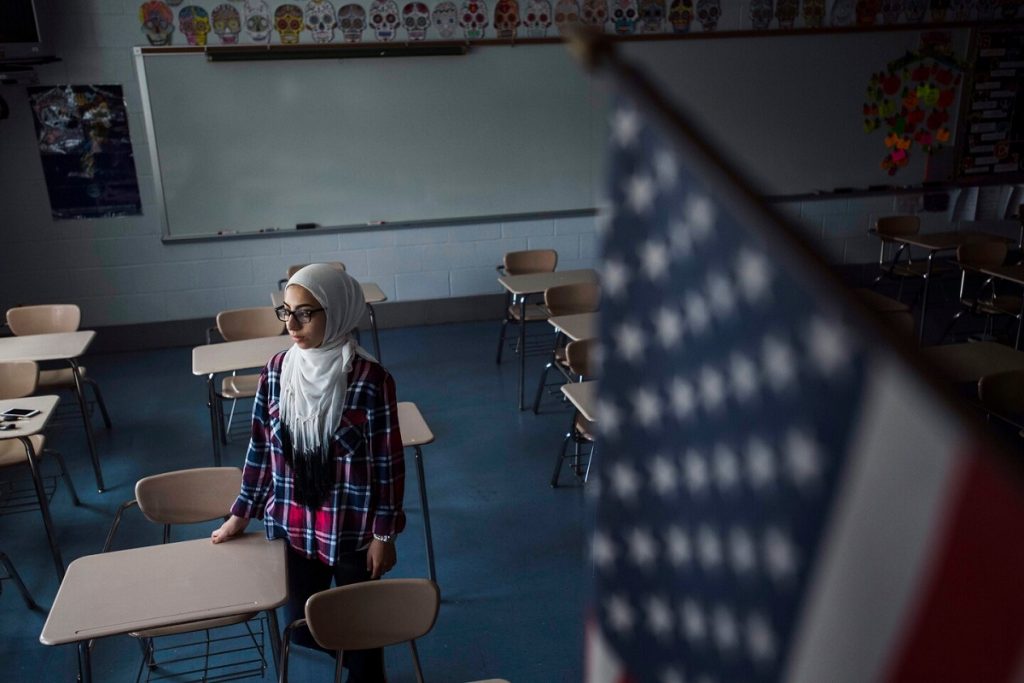
Mass shootings and individual violent attacks in American schools have become a grim and recurring reality. While these tragedies devastate the entire nation, their impact on Arab and Muslim communities carries unique psychological, social, and political dimensions. Beyond the immediate fear for children’s safety, such violence deepens anxiety, reinforces racialized suspicion, and reshapes how Muslim families navigate public life in the United States.
Constant Fear and Parental Anxiety
For Arab and Muslim parents, sending children to school in America increasingly involves a quiet but persistent fear. News of shootings—often involving lone attackers—travels quickly through community WhatsApp groups, mosques, and family networks. Each incident revives the same questions: Is my child safe? Should we consider homeschooling? Is this school prepared?
For families who emigrated from regions marked by war, the irony is painful. Many left violence behind only to encounter a different, unpredictable form of it in what was imagined as a safer society.
The Burden of Collective Suspicion
When school violence occurs, Muslim and Arab communities often fear not only the attack itself but the political and media aftermath. Even when perpetrators have no connection to Islam, heightened security discourse can still translate into increased surveillance, aggressive policing, and suspicion of “foreign” or visibly Muslim students.
In moments of national trauma, Muslim children may feel compelled to prove their harmlessness, absorbing an unspoken pressure to distance themselves from violence they had no role in. This psychological burden is especially heavy for boys and for students who wear visible religious clothing.

Impact on Muslim Students in Schools
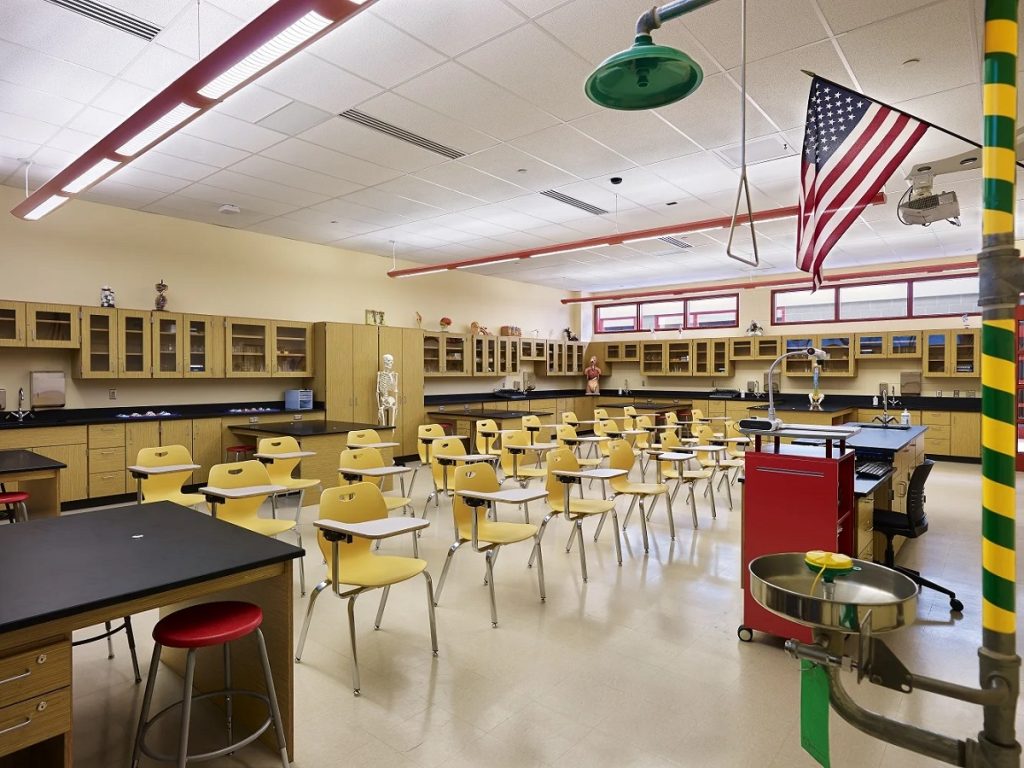
School lockdown drills, active shooter simulations, and armed police presence can be deeply distressing for Muslim students, particularly those from refugee or conflict-affected backgrounds. These practices may retraumatize children who already associate uniforms, weapons, and sirens with past violence.
At the same time, Muslim students often experience a silencing effect. Speaking openly about fear, anger, or political causes of violence can feel risky in environments where Arab and Muslim voices are already marginalized.
Islamophobia and Policy Backlash
After high-profile attacks, political rhetoric around “security” frequently intensifies. While such measures are framed as neutral, their implementation often disproportionately affects communities of color. Muslim families report increased scrutiny at school entrances, harsher disciplinary measures, and closer monitoring of students’ speech and online activity.
In some cases, Arab and Muslim students become targets of bullying, with classmates making jokes or accusations linking them to terrorism—despite the clear reality that school shootings in the U.S. are overwhelmingly unrelated to Islam.
Community Responses: Protection and Solidarity
In response, Arab and Muslim communities have developed parallel systems of support. Mosques host safety workshops, mental health sessions, and discussions with school officials. Parents organize carpools, share emergency plans, and advocate for culturally sensitive counseling services.
Importantly, community leaders increasingly push back against narratives that equate safety with militarization. Many argue that more police and weapons in schools do not address the root causes of violence—and may in fact increase fear among marginalized students.
Psychological Toll and Long-Term Effects
The cumulative effect of repeated school violence is profound. Children internalize a sense of instability, while parents experience chronic stress and helplessness. Over time, this environment shapes how Arab and Muslim families perceive belonging in America.
Some families reconsider long-term settlement, while others double down on civic engagement, determined to demand safer schools and challenge discriminatory policies.

Between Grief and Resistance
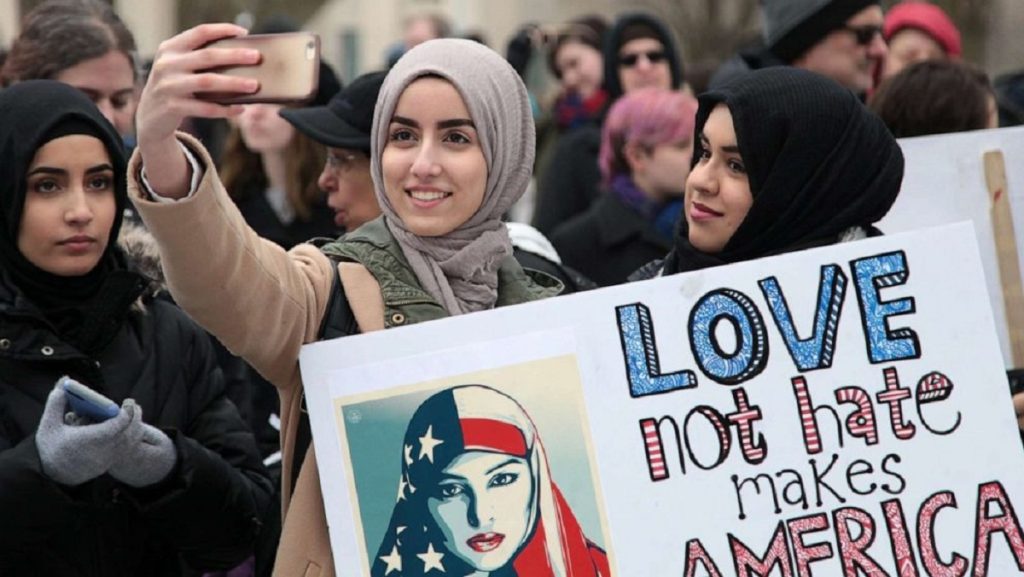
For Arab and Muslim communities, school violence in America is not only a public safety crisis—it is a test of social inclusion. The question is not just how to protect children from bullets, but how to ensure that fear does not become another tool of exclusion.
In navigating grief, anxiety, and resistance, Arab and Muslim Americans continue to assert a simple truth: safety should not come at the cost of dignity, and security should never require suspicion.