


Former government officials and legal experts have warned that the Trump administration’s plan to revoke U.S. citizenship from naturalized Americans appears “nearly impossible to implement” at the scale being proposed.
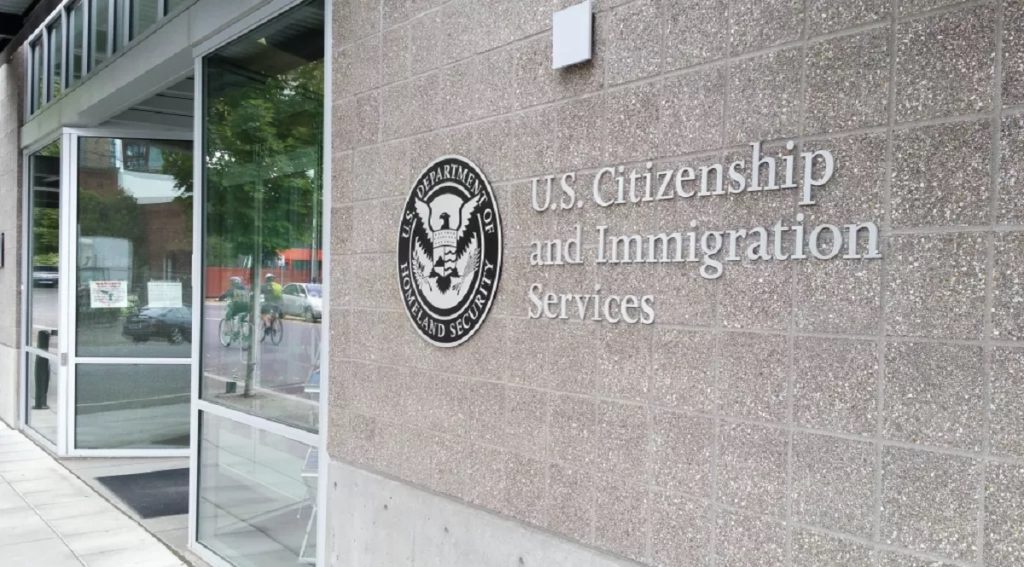
The administration has reportedly instructed U.S. Citizenship and Immigration Services (USCIS) offices to refer between 100 and 200 denaturalization cases per month to the Department of Justice during fiscal year 2026—far exceeding the slightly more than 120 cases recorded between 2017 and 2025 combined.
According to Newsweek, federal law sets extremely high standards for revoking citizenship. Denaturalization can only occur through a federal court ruling and under narrowly defined circumstances, such as fraud during the naturalization process or the commission of specific serious crimes. These cases require civil or criminal trials and the presentation of evidence before federal judges, making the process highly resource-intensive.
Rikki Murray, former chief of staff for refugee and international operations at USCIS, said the legal threshold is extraordinarily high, adding that “the idea of processing this volume of cases is close to impossible.” He noted that the Department of Justice cannot dramatically scale up prosecutions due to the heavy burden of proof required.
Morgan Bailey, a former Department of Homeland Security official, explained that the debate centers on balancing the government’s interest in combating fraud with the strict legal standards governing when citizenship can be revoked.


Critics have also warned that such a campaign could create widespread fear among immigrant communities and negatively affect law-abiding citizens, particularly if enforcement appears selective or discriminatory. Murray cautioned that targeting specific ethnic, racial, or religious groups could carry serious legal consequences.
A USCIS spokesperson stated that the agency will continue focusing on cases in which citizenship was obtained unlawfully and will work with the Department of Justice to “restore the integrity of the U.S. immigration system.”
With approximately 26 million naturalized Americans living in the United States, experts argue that the ambitious goals of the plan would overwhelm government resources and face major legal obstacles, making full implementation extremely difficult.