


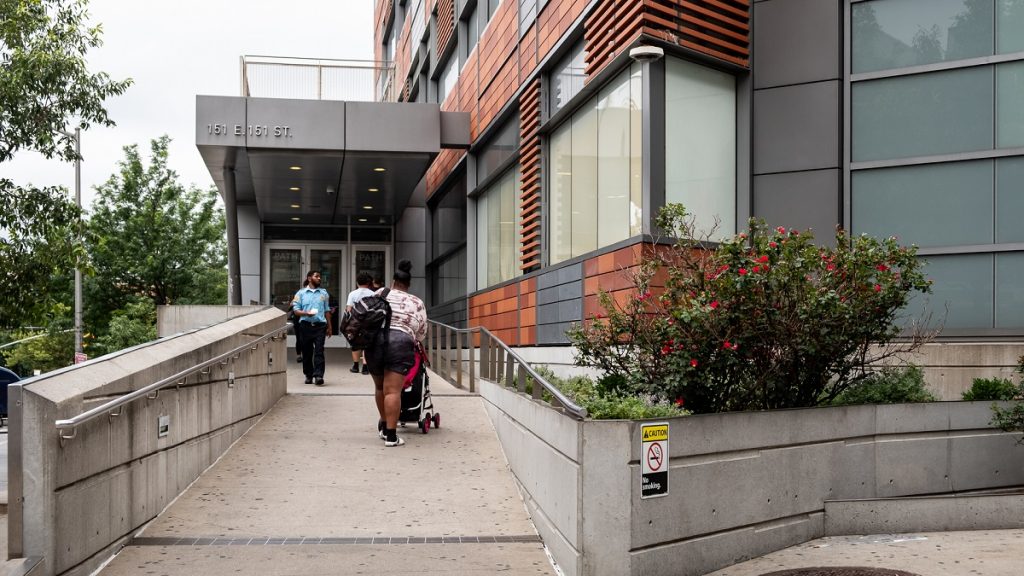
Reports have revealed multiple incidents in which federal immigration agents entered restricted areas of New York City shelters or obtained information about residents without presenting the required judicial warrants. These actions challenge the city’s sanctuary laws, which are designed to protect immigrants by limiting local cooperation with federal immigration enforcement.
The incidents, which occurred between January and May of this year, prompted city officials to review and strengthen existing protocols, while legal experts voiced serious concerns about compliance with constitutional protections and the effectiveness of current local regulations.
New York City’s sanctuary laws explicitly prohibit city employees from granting federal immigration officers access to non-public areas of city-owned properties or sharing residents’ information unless a judicial warrant is presented or there is an imminent safety threat. However, official incident reports written by shelter staff indicate that federal immigration officers entered restricted areas of shelters or obtained resident information on at least five occasions without verifiable judicial warrants.
In some cases, shelter staff reportedly allowed access without confirming the validity of warrants—actions that legal experts say constitute violations of the city’s sanctuary laws. In other cases, federal agents reportedly bypassed reception staff and entered private areas of shelters without permission or warrants, potentially violating constitutional protections against unreasonable searches and seizures.
These incidents highlight a critical turning point for New York City’s sanctuary policies, revealing how federal authorities are testing their limits and exposing potential inconsistencies in how city employees enforce them. The Department of Social Services (DSS), which oversees most of the city’s shelters, stated that its staff did not intentionally violate protocol.
A DSS spokesperson acknowledged “rare, minor, and unintentional gaps” and said clearer guidance had been distributed and updated on how to respond to requests from federal immigration agents. Officials also emphasized that no protected private information—such as case files, application data, or legally sensitive records—was accessed by federal officers.
One particularly alarming incident occurred on February 20, when seven federal agents—described as wearing face masks, camouflage clothing, bulletproof vests, and carrying weapons—entered a Brooklyn shelter. They arrested a 30-year-old Venezuelan resident with no criminal record on immigration-related grounds.
The resident’s attorney described the incident as an “excessive show of force” intended to intimidate staff and circumvent city law. Another incident involved federal agents presenting an electronic order that shelter staff could not verify as judicial, which nevertheless resulted in access to a residential unit and the shelter’s resident logbook.

In other cases, staff mistakenly shared information about a former resident without a warrant, believing it was not confidential. According to DSS, these errors led to enhanced training and clearer instructions for staff, reinforcing that no information should be shared without a judicial warrant. More troublingly, some federal officers reportedly ignored requests to identify themselves or provide warrants, proceeded directly into shelters, questioned residents, and in one case followed a maintenance worker inside without authorization.
Legal scholars and immigrant-rights advocates strongly criticized these developments. A law professor who helped draft the city’s sanctuary laws expressed concern that frontline staff appeared “unprepared” during these incidents and called for additional security measures to prevent unauthorized entry.
Another legal expert argued that existing laws “lack sufficient enforcement power,” pointing to the need for stronger accountability mechanisms. The incidents also raised oversight concerns, as none of the 23 reported visits by federal immigration officers to shelters during this period appeared in the quarterly reports required to be compiled by the Mayor’s Office of Immigrant Affairs—an omission the office attributed to “legal sensitivities.”
In response, the city has taken steps to address these issues, including system-wide training for shelter staff and updated guidance that now includes a flowchart for interacting with non-local law enforcement agencies. Shelter staff have reportedly become more effective at denying access to agents who lack judicial warrants, a positive development acknowledged by advocates.
Nevertheless, the recurring nature of these challenges underscores the ongoing tension between federal immigration enforcement and New York City’s commitment to its sanctuary policies, highlighting the continued need for vigilance, clear protocols, and robust training to protect the rights and privacy of the city’s most vulnerable residents.