


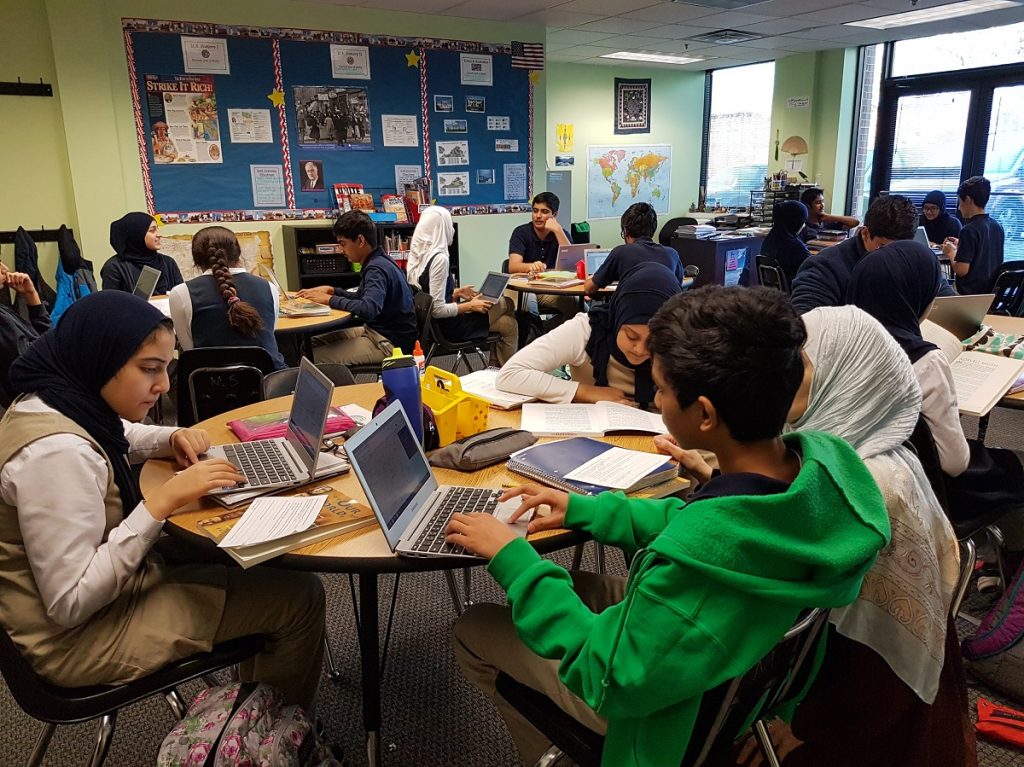
Islamic education has grown significantly across the United States over the past four decades, reflecting the needs of a diverse and expanding Muslim population. Today, families seeking Islamic preschools, K–12 schools, weekend programs, Qur’an institutes, or Islamic seminaries have more options than ever before. These institutions serve not only as academic centers but also as cultural and spiritual anchors that help Muslim children build strong identities while excelling academically.
1. Islamic Preschools (Daycare & Early Childhood Centers)
Yes—there are hundreds of Islamic preschools across the U.S., often connected to local mosques or Islamic community centers.
They focus on:
-
Early childhood development
-
Arabic language basics
-
Qur’an recitation and short surahs
-
Islamic manners and values
-
Culturally sensitive environments
States with the largest number of Islamic preschools include California, Texas, New York, New Jersey, Illinois, Michigan, and Florida.
Many of these programs are fully licensed and follow state early-education standards while integrating Islamic curriculum elements.

2. Islamic K–12 Schools Across the U.S.
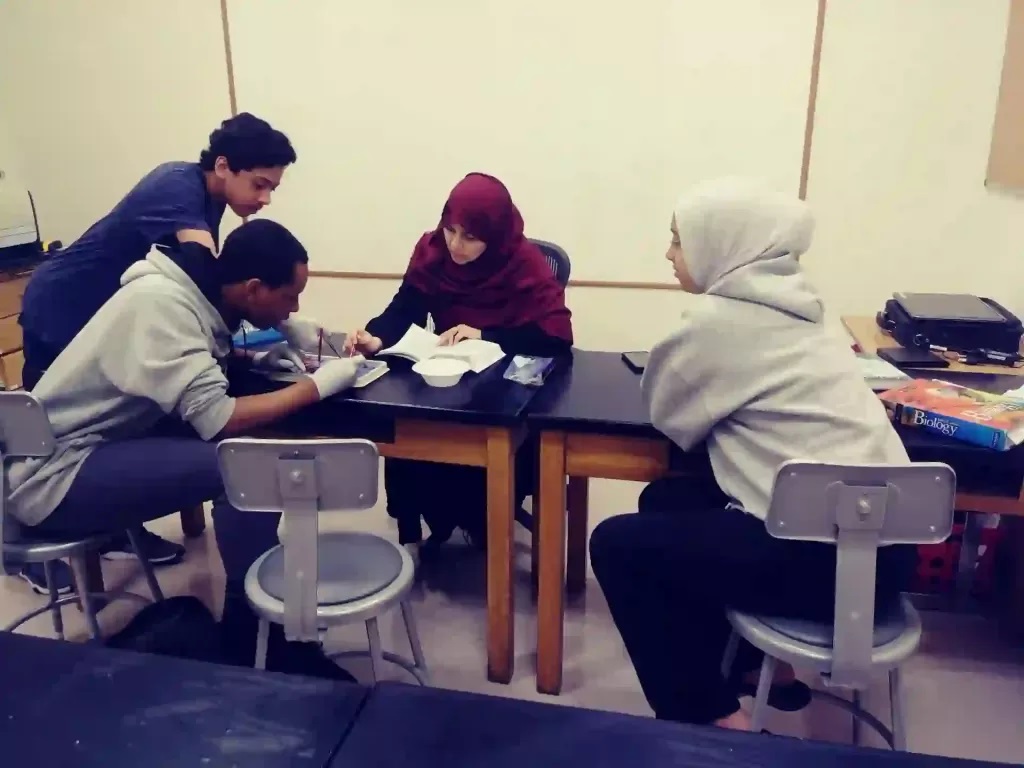
The U.S. currently has over 300 full-time Islamic schools serving elementary, middle, and high-school students. Many schools follow accredited academic programs while offering robust Islamic studies, Arabic, and Qur’an classes.
Well-known examples include:
-
IQRA Schools (Illinois)
-
Al-Noor Academy (Massachusetts)
-
Al-Huda School (Maryland & Virginia)
-
Universal School (Chicago)
-
Razi School (New York)
-
Brighter Horizons Academy (Texas)
Most Islamic schools maintain small classrooms, strong STEM programs, AP courses, and college-preparation tracks.
3. Weekend Islamic Schools (Saturday & Sunday Programs)
These programs are extremely common and widespread. Nearly every major mosque hosts a weekend Islamic school offering:
-
Qur’an memorization & tajwīd
-
Islamic history
-
Basic fiqh & aqīdah
-
Arabic reading
-
Youth leadership programs
They serve families who prefer public schools during the week but want Islamic education rooted in community life.
4. Qur’an Institutes & Hifz Programs
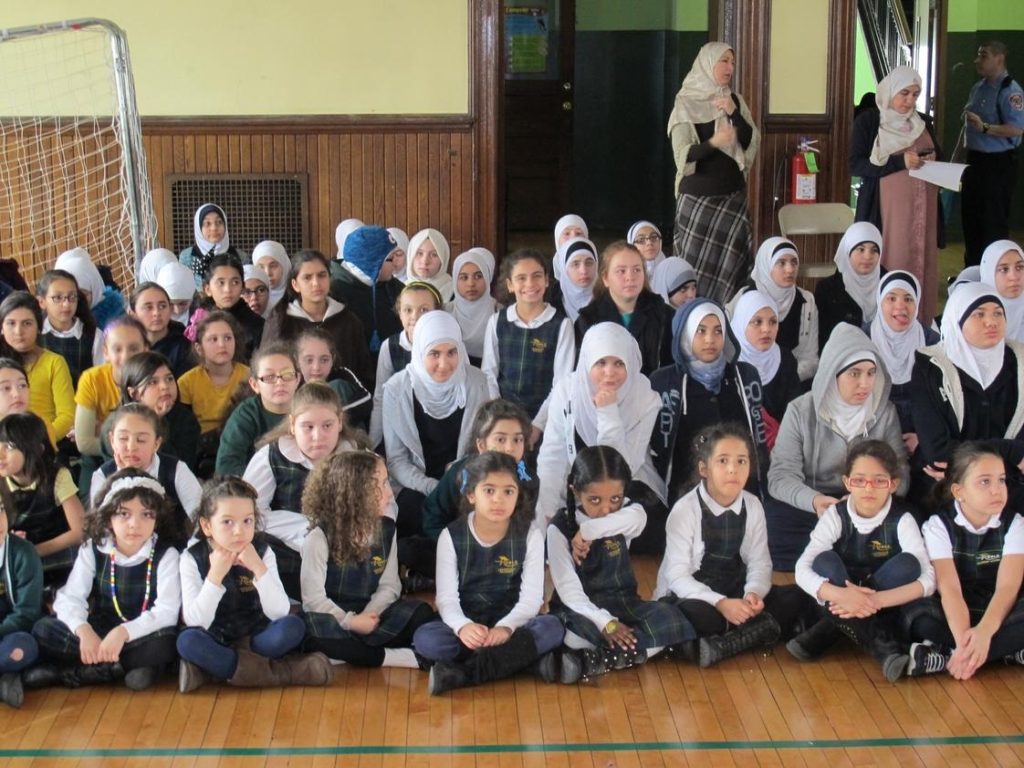
Across many American cities, especially where Muslim communities are large, there are full-time and part-time hifz (memorization) programs, including:
-
Evening Qur’an classes
-
After-school tajwīd programs
-
Full hifz boarding academies
-
Online Qur’an academies (U.S.-based)
Cities like Dallas, Houston, Chicago, Detroit, Minneapolis, and New York have some of the strongest Qur’an centers.
5. Higher Islamic Institutes & Seminaries
The U.S. is also home to advanced Islamic seminaries, offering full alim/alimah tracks and university-level Islamic studies, including:
-
Zaytuna College (California)
-
Qalam Seminary (Texas)
-
Al-Maghrib Institute (nationwide)
-
Darul Qasim College (Illinois)
-
Alim Program (Texas)
-
Institute of Knowledge IOK (California)
These institutions focus on Islamic scholarship, Qur’anic sciences, Arabic, Hadith studies, and leadership training.
6. Why Families Choose Islamic Education in the U.S.
Muslim parents choose Islamic schools for various reasons:
-
A safer moral and cultural environment
-
Stronger Islamic identity
-
Protection from discrimination or cultural erasure
-
Integrated religious and academic learning
-
Community belonging and social support
Research shows that students in Islamic schools often perform above national academic averages, while also developing a stronger sense of cultural and spiritual grounding.
Conclusion: Islamic Education Is Thriving in the U.S.
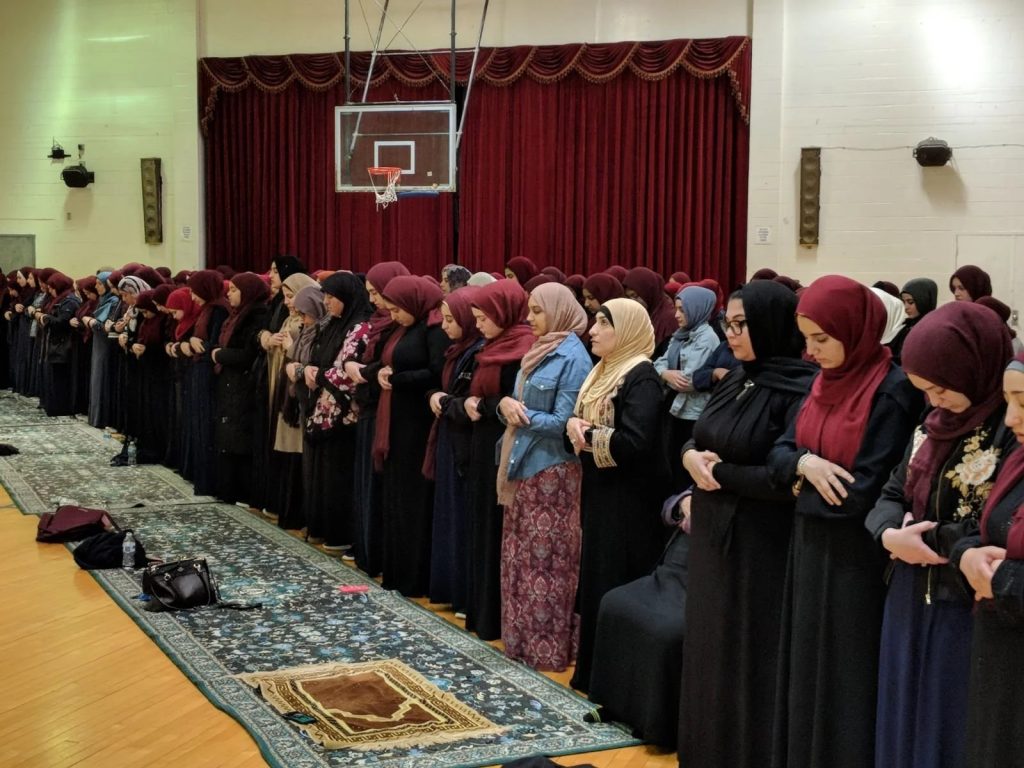
From early childhood to university-level scholarship, Islamic education is well-established in the United States. Whether families seek a preschool with Islamic values, a full-time K–12 school, a Qur’an institute, or an advanced Islamic seminary, there are abundant choices across the country. These institutions are vital in preserving identity, strengthening families, and building confident generations of American Muslims.