


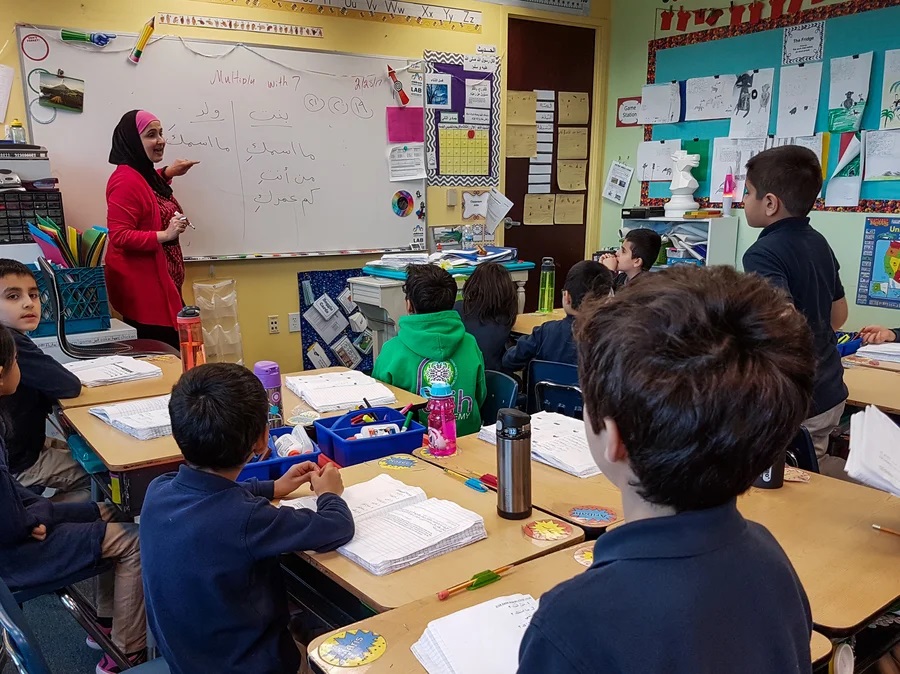
Islamic schools in the United States have grown steadily over the past few decades, reflecting the needs of a diverse and expanding Muslim community. Among these institutions, Al Fatih Academy in Reston, Virginia, stands as a compelling example of how Islamic education can weave together academic rigor, cultural identity, and moral development—giving young American Muslims the tools to thrive with confidence.
A Creative Approach to Teaching American History
Like any dedicated fifth-grade teacher, Mike Matthews wants students to experience history in vivid detail. To make his unit on the American West engaging, he created a “Wild West Night” filled with cowboy-style hot dogs, beans, and interactive storytelling by a mock campfire. The students even designed a classroom saloon—carefully adapted to follow Islamic values.
“We talked about what’s appropriate according to our mission,” Matthews explains. “The students will create an indoor saloon—kid-friendly, respectful, and aligned with our values.”
This balance between creativity and Islamic principles captures the school’s broader educational philosophy.

A Mission Rooted in Identity, Faith, and Civic Responsibility
Founded in 1999, Al Fatih Academy was built on a clear mission:
to cultivate a thriving American Muslim identity grounded in religious knowledge, academic excellence, and civic engagement.
Students take standard core subjects alongside:
-
Arabic language
-
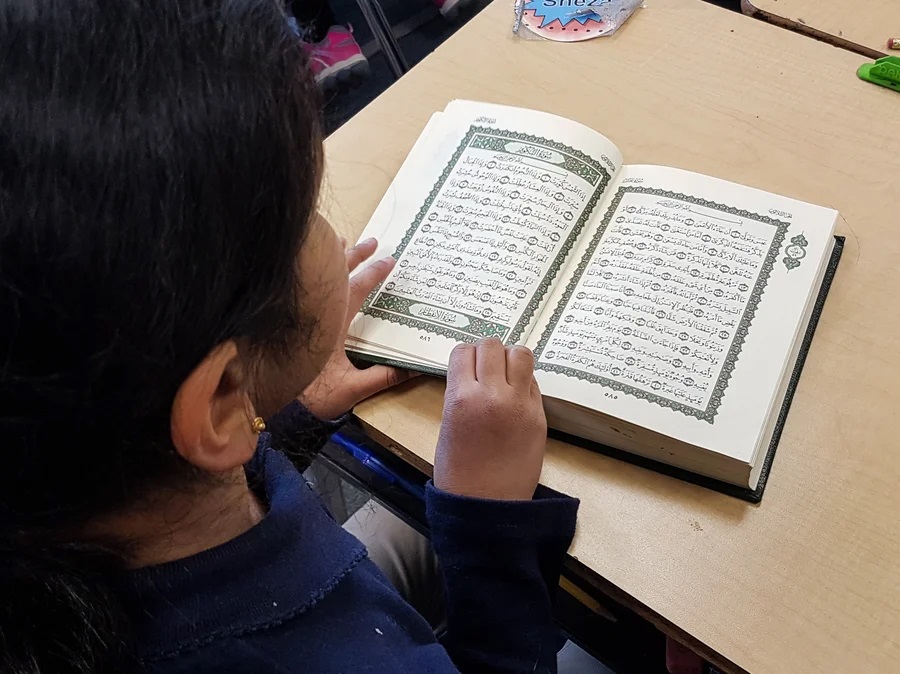
Qur’an recitation and memorization
-
Islamic studies
-
Daily prayers
Parents like Shad Imam, who has two children enrolled, appreciate the way Islamic values are woven into every subject.
“When you learn about science or the stars,” he says, “you learn through the understanding of how God created the world. It’s powerful because religion isn’t pushed into a corner—it’s lived.”
Islamic Schools Gaining Growing Acceptance in the U.S.
With Islam now recognized as one of the fastest-growing religions in America, Islamic schools have become more visible and accepted within the broader educational landscape. According to the Council for American Private Education (CAPE), there are nearly 300 Islamic elementary and secondary schools nationwide.
CAPE Executive Director Joe McTighe observes that Islamic schools share with other faith-based schools a holistic approach to learning:
“Religious schools look at the whole child—academic, spiritual, ethical, and moral.”
Blending State Standards with Islamic Values
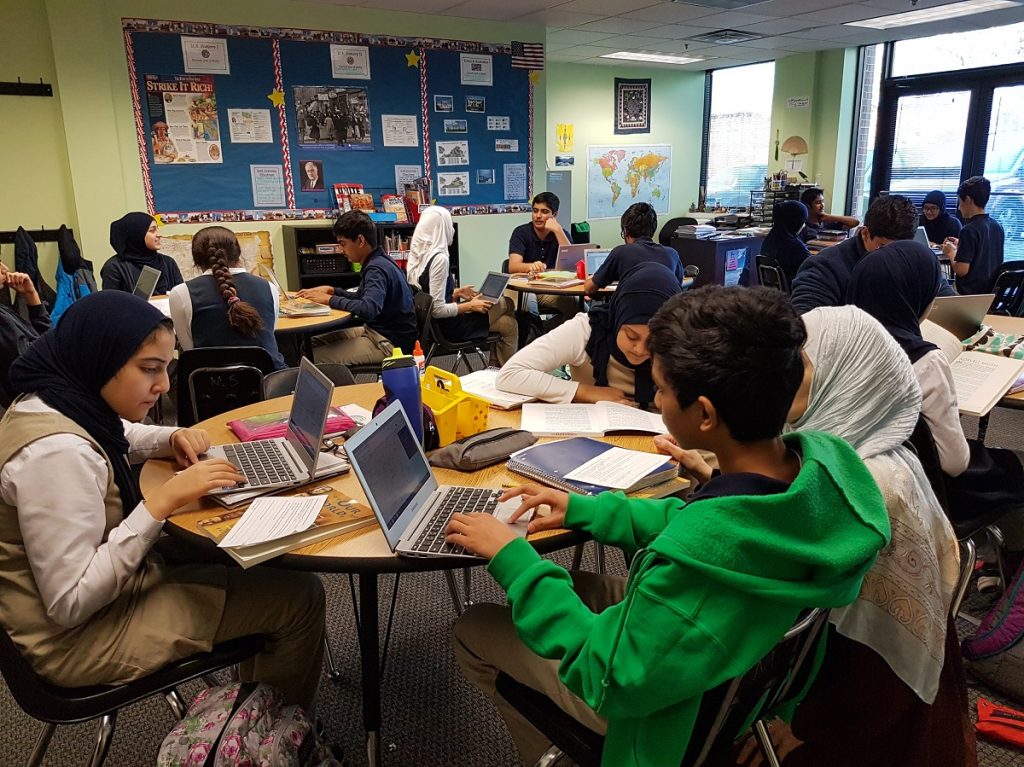
Despite their unique mission, Islamic schools like Al Fatih follow state-mandated curricula. Eighth graders study civics, U.S. government, and citizenship responsibilities—just like their peers in public schools.
Teacher Ann Raheem even has students write letters to elected officials. One student, Ayra Aslam, wrote about traffic congestion on Route 7 and the need to add a lane so families can get to school on time.
Many older girls wear hijab voluntarily, though it is only required for prayer. The school encourages students to embrace their Muslim identity while fully participating in American civic life.
Helping Students Build a Unified, Confident Identity
Co-founder Pervin Divleli remembers how immigrant Muslim kids grew up juggling multiple identities—home, mosque, and school.
“At Al Fatih, we create an environment where children understand and shape their identity as American Muslims,” she says.
This means giving them space to ask hard questions, especially when global events portray Muslims negatively. Students openly discuss extremism, violence, and misconceptions about Islam.
“They think it through,” says co-director Afeefa Syeed, “and understand what it truly means to be a person of faith.”
Promoting Respect, Diversity, and Interfaith Understanding
The academy also emphasizes social justice and interfaith respect. Students learn about the Civil Rights Movement, the struggle for equality, and the importance of standing up against injustice.
They also meet Christian and Jewish speakers who teach them about other faiths—a key part of fostering mutual respect.
“If we treat others with authenticity,” Syeed explains, “they will treat us the same.”
Preparing Students for Public School—and Beyond
Al Fatih Academy concludes at eighth grade, after which most students transition to public high schools. Students like Fateeha Syed feel ready for the next chapter.
“Here we learn to be ourselves,” she says. “Then we go to public school confident in who we are.”