


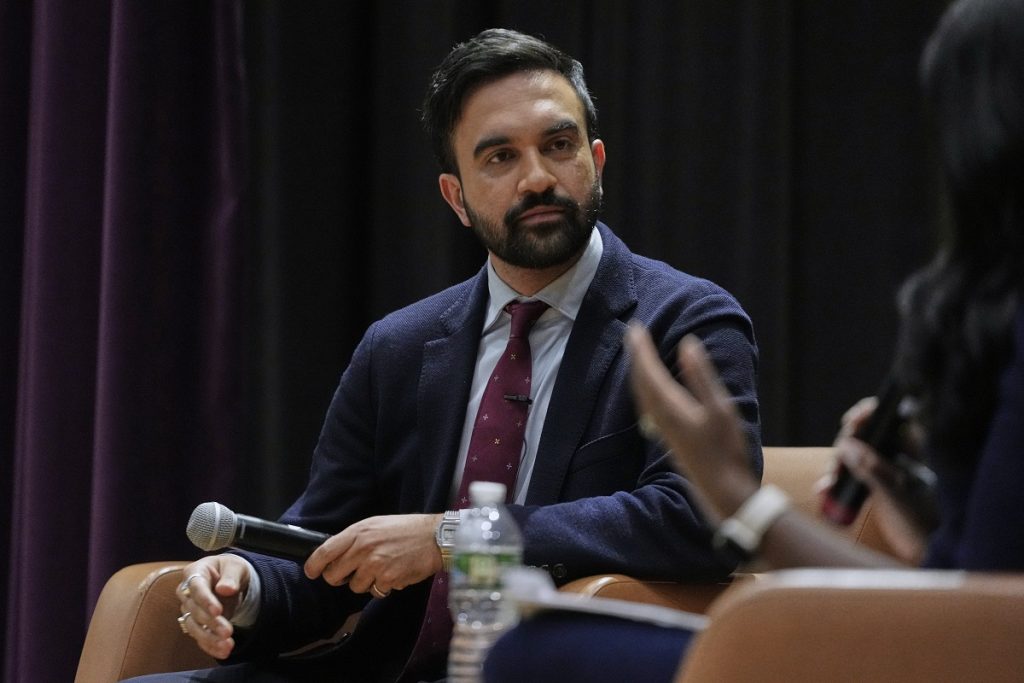
If Zohran Mamdani—known for his bold progressive agenda and grassroots organizing—were to lead New York City as mayor, his decisions would significantly reshape the city’s political, economic, and social landscape. His platform centers on housing justice, public safety reform, immigrant protections, and economic redistribution—issues that resonate deeply with working-class New Yorkers but also spark debate among business groups, law-enforcement advocates, and political moderates.
Below is an in-depth look at how Mamdani’s leadership would influence New York’s communities and institutions.
1. Housing: A Shift Toward Social and Affordable Housing
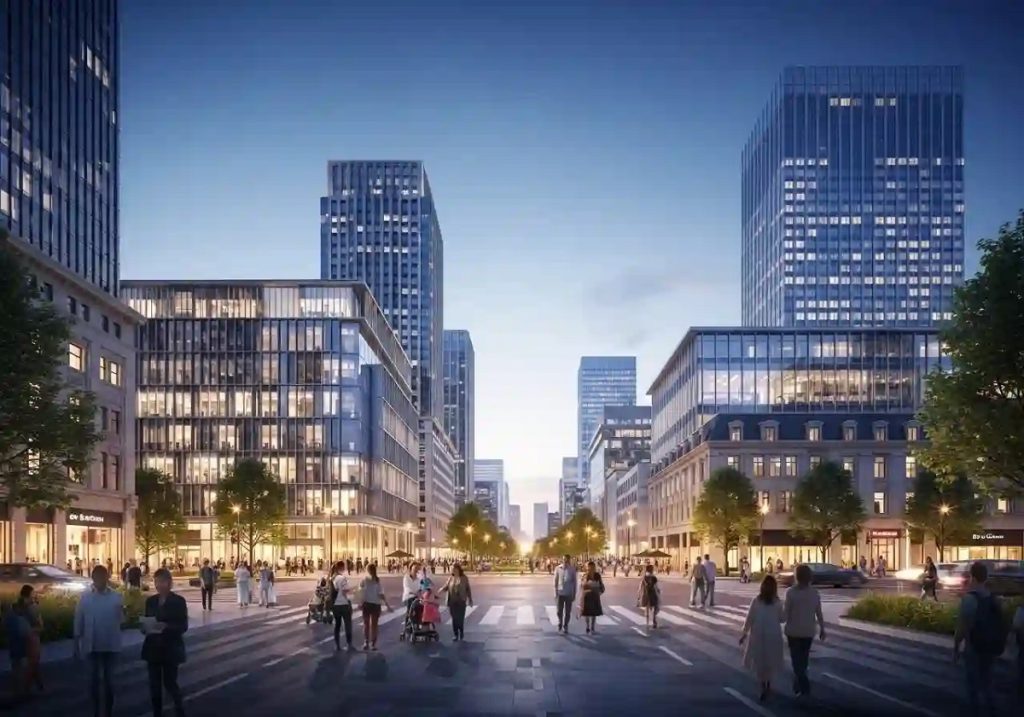
Housing has always been the foundation of Mamdani’s politics. As mayor, he would likely:
-
Expand social housing programs similar to Vienna’s model.
-
Increase public investment in non-profit, cooperative, and publicly owned housing.
-
Challenge luxury real-estate developers and limit speculative investment.
-
Strengthen tenant rights, particularly eviction protections and rent stabilization.

Impact on New Yorkers
-
Working-class families could see more stable rents and reduced displacement.
-
Immigrant and low-income communities—especially in Queens and the Bronx—would benefit from greater access to affordable units.
-
However, critics argue that such policies could discourage private development, slowing overall housing production.
2. Policing and Public Safety: A Community-Centered Approach
Mamdani is a leading voice in movements calling for:
-
Reducing NYPD’s budget,
-
Reinvesting funds into community programs, youth services, mental-health response teams, and education.
Expected Outcomes
Positive:
-
Communities of color may experience less aggressive policing, improving trust between residents and local government.
-
Expansion of non-police crisis response units could lead to better outcomes during mental-health emergencies.
Criticisms:
-
Moderates and police unions argue that reducing enforcement capacity could complicate crime prevention, especially during periods of rising crime.
3. Immigration: A Sanctuary City With Deeper Protections
Given Mamdani’s immigrant-rights activism, his administration would likely:
-
Expand legal and social services for asylum seekers and undocumented residents.
-
Strengthen sanctuary-city protections against ICE cooperation.
-
Provide funding for community-based immigrant organizations.
-
Push statewide and federal pressure for work authorization and housing support for new arrivals.
Impact on New York
-
Immigrant families could experience greater safety and stability, particularly from deportation fears.
-
Small businesses—which heavily rely on immigrant labor—could benefit from a more supported immigrant workforce.
-
Opponents may argue these policies could strain city resources, especially during large influxes of migrants.
4. Economic Policy: A Redistribution-Focused Agenda
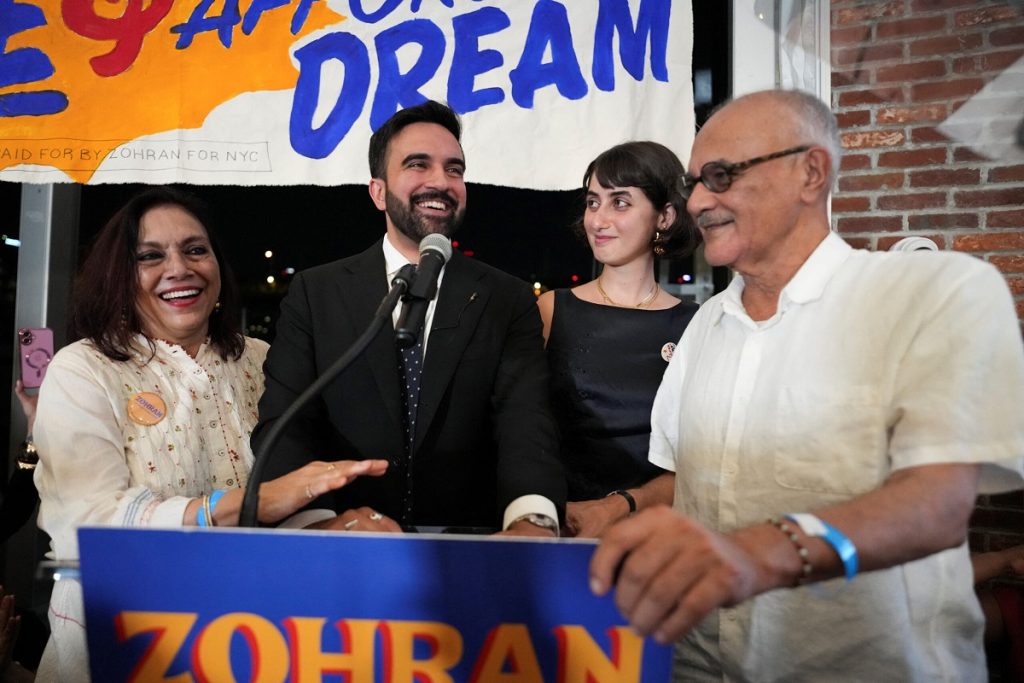
Mamdani’s economic vision prioritizes:
-
Higher taxes on the wealthy,
-
Expansion of social services,
-
Strengthened protections for gig workers, delivery drivers, and taxi drivers,
-
Incentives for worker cooperatives and small businesses.
Community Impact
-
Working-class and middle-income New Yorkers may see better access to public services, transportation improvements, and wage protections.
-
The tech and finance sectors may push back, warning of a less business-friendly environment.
5. Education, Transit & Social Equity
Other policies likely under Mamdani include:
-
Expanding free or low-cost public transit.
-
Increasing investment in public schools, especially in underserved districts.
-
Protecting Muslim, Arab, and South Asian communities from surveillance and discrimination.
-
Addressing homelessness with housing-first solutions, not police enforcement.
Conclusion: A City Reimagined
A Mamdani mayoralty would represent one of the most transformative shifts in New York City’s recent political history. His decisions would be deeply felt by immigrant communities, working families, and neighborhoods long marginalized by inequality. While supporters see him as a visionary capable of redefining the American city, critics argue his reforms could disrupt existing economic and policing structures.
Regardless of the debate, his leadership would push New York toward a more progressive, redistributive, and community-driven model, potentially inspiring similar movements in cities across the United States.