


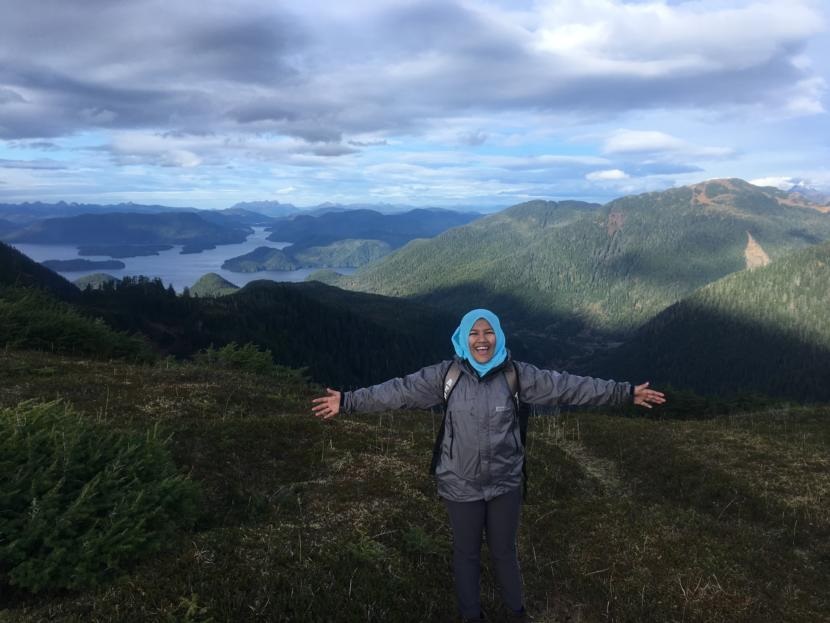
Yakutat, a remote coastal town in southeastern Alaska, is known for its rich Indigenous heritage, fishing culture, and dramatic natural landscapes. But in recent decades, Yakutat has also witnessed the gradual formation of a small yet meaningful Muslim and Arab community—a community that enriches local culture, economy, and social life despite its small population and geographic isolation.
1. Historical Background: How Muslims and Arabs Arrived in Yakutat
Although Yakutat’s population is small—hovering around a few hundred residents—its community has always been diverse due to fishing, maritime trade, and seasonal labor opportunities.
The presence of Arab and Muslim residents began primarily in the late 20th century, driven by:
-
Fishing industry employment, especially during seasonal salmon runs.
-
Small-business opportunities, including imports, trade, and food services.
-
Movement from larger Alaskan cities, such as Anchorage or Juneau, by families seeking quieter rural life.
-
Global migration trends, where Arabs from countries like Yemen, Lebanon, Egypt, and the broader Middle East sought economic opportunities across Alaska.
Yemenis, in particular, have a long history in the Alaskan fishery sector—as early as the 1960s—making their way through work programs and community networks.

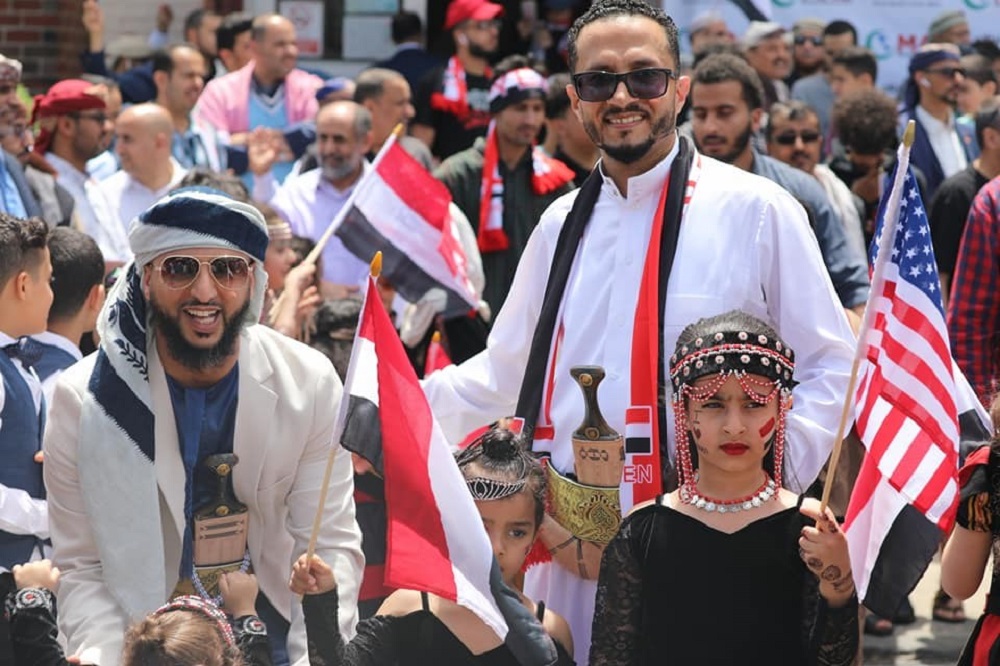
2. Community Size and Cultural Identity
While exact numbers fluctuate due to seasonal work, Yakutat’s Muslim and Arab residents form a tight-knit micro-community. Their presence is characterized by:
-
Strong emphasis on faith and family values
-
Community gatherings during Ramadan, Eid al-Fitr, and Eid al-Adha
-
Maintaining traditional foods, language, and cultural customs
-
Integrating respectfully into local Tlingit and non-Native communities
Although Yakutat does not currently have a full masjid like larger cities, Muslims often gather for group prayers, community iftars, and cultural events in private homes or shared community spaces.
3. Economic Contributions and Local Engagement
Arab and Muslim residents contribute meaningfully to Yakutat’s economy, especially in:
-
Commercial fishing and seafood processing
-
Local trade and small businesses
-
Transportation, logistics, and maritime labor
-
Seasonal workforce contributions
Their presence supports the sustainability of Yakutat’s economy, especially during peak fishing seasons when additional skilled labor is essential.

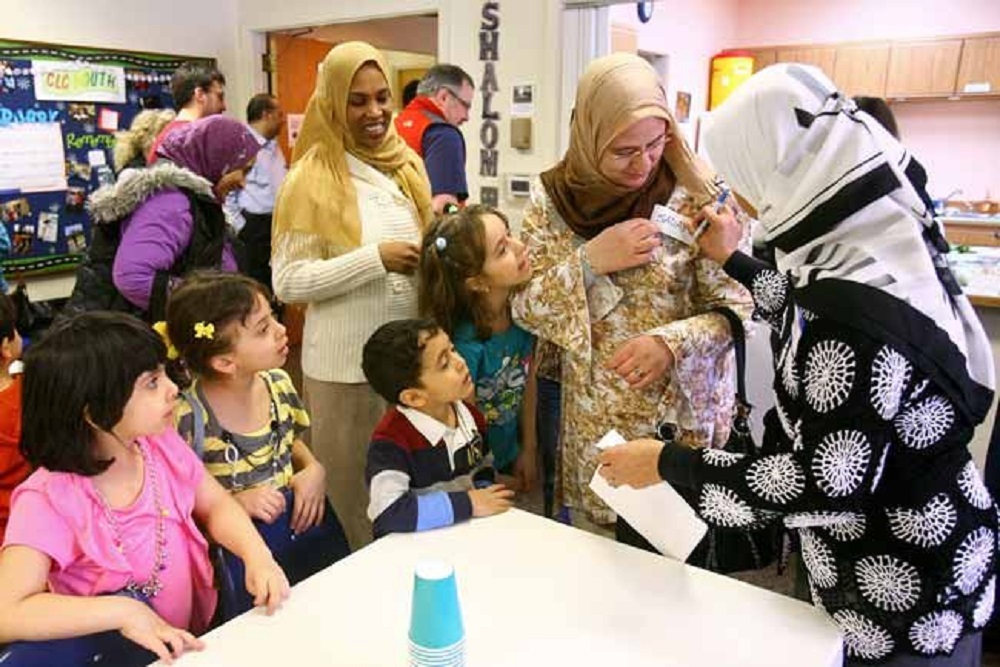
4. Challenges of Practicing Islam in Remote Alaska
Living as a Muslim in Yakutat comes with unique cultural and religious challenges:
-
Access to halal food is limited, requiring families to import items from Anchorage or Seattle.
-
Prayer times, especially during long summer days, require careful adjustment because daylight hours stretch dramatically in Alaska.
-
Islamic educational resources for children and adults are limited due to distance.
-
Winter isolation, heavy weather, and lack of large community networks can make practicing communal traditions difficult.
Despite these obstacles, the community adapts with creativity and strong interpersonal bonds.
5. Social Integration and Community Impact
Yakutat is known for being welcoming and community-oriented, and Arab/Muslim residents often find supportive relationships with the local Tlingit population, long-term Alaskan families, and new arrivals.
They contribute by:
-
Sharing cultural food and traditions
-
Participating in local events and community service
-
Engaging in interfaith dialogue and multicultural exchanges
This helps strengthen Yakutat’s identity as a diverse, globally connected small town.


6. The Future of the Muslim and Arab Community in Yakutat
As Alaska continues to diversify and attract workers from across the world, Yakutat’s Muslim and Arab community is expected to grow slowly but steadily. Future developments may include:
-
Establishing a small local prayer space or Islamic center
-
Strengthening community networks across Southeast Alaska
-
Bringing more cultural awareness programs to schools and public events
This growth represents not only demographic change but also a deeper enrichment of Yakutat’s cultural fabric.