


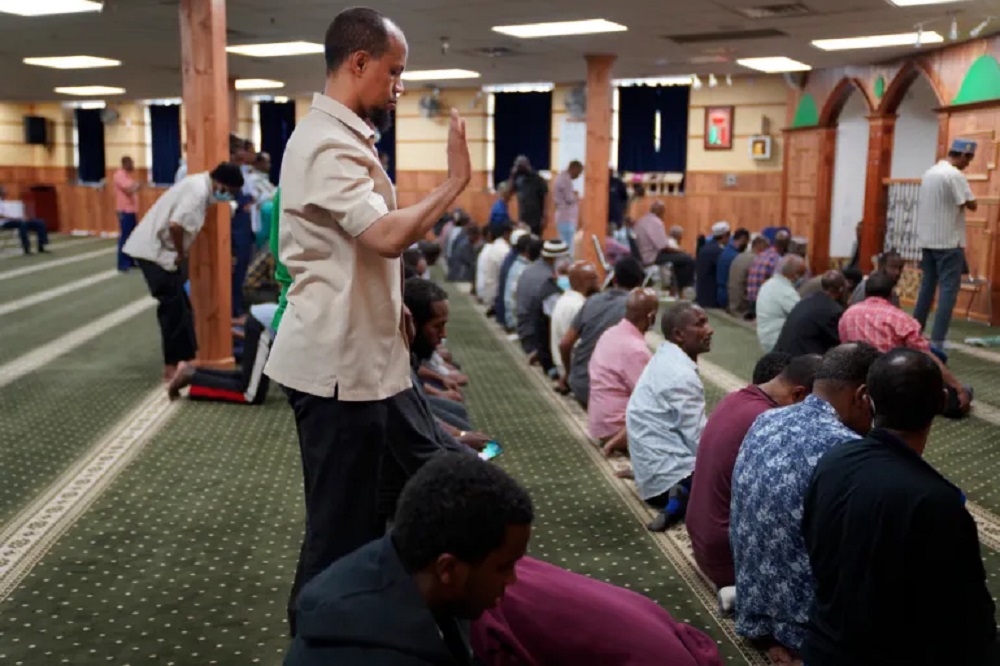
Muslim Americans form a vibrant and diverse community that has grown steadily in the United States over the past decades. With an estimated 3.5 to 4 million members, this community represents a wide range of ethnic, cultural, and professional backgrounds, including Arab, South Asian, African American, Somali, and other immigrant groups. Beyond their religious practice, Muslim Americans have built strong networks of mosques, educational institutions, cultural organizations, and advocacy groups that shape local communities, influence national policies, and strengthen social cohesion.
This article explores the demographics, political power, community structures, and social impact of Muslim Americans, highlighting their growing influence and resilience in the face of challenges.
Demographics and Population Distribution
The U.S. Muslim population is ethnically and geographically diverse:
-
Arab Americans: Concentrated in Dearborn, Michigan, New York, and Los Angeles.
-
South Asian Muslims (Pakistani, Indian, Bangladeshi): Predominantly in New York, Chicago, Houston, and Silicon Valley.
-
African Americans: Significant historical presence through the Nation of Islam and Sunni communities.
-
Somali and East African immigrants: Strong communities in Minneapolis–St. Paul, Minnesota.
-
Other immigrant groups: Including Indonesians, Turks, and Middle Eastern nationals.
Major hubs include New York City, Chicago, Detroit metro area, Los Angeles, Houston, and Minneapolis-St. Paul, where Muslim communities maintain strong civic, educational, and cultural influence.

Political Influence and Representation
Muslim Americans are becoming a significant political force:
-
Elected Officials: Leaders such as Rep. Ilhan Omar (MN) and Rep. Rashida Tlaib (MI) serve in Congress, while local councils in Dearborn, Chicago, and Minneapolis include Muslim representatives.
-
Advocacy Organizations: Groups like CAIR, ISNA, and MPAC lobby for civil rights, policy changes, and public awareness campaigns.
-
Grassroots Mobilization: Voter registration drives, educational programs, and interfaith coalitions strengthen the community’s political voice.
Community Units and Institutions
Muslim communities in the U.S. are structured around key institutions:
-
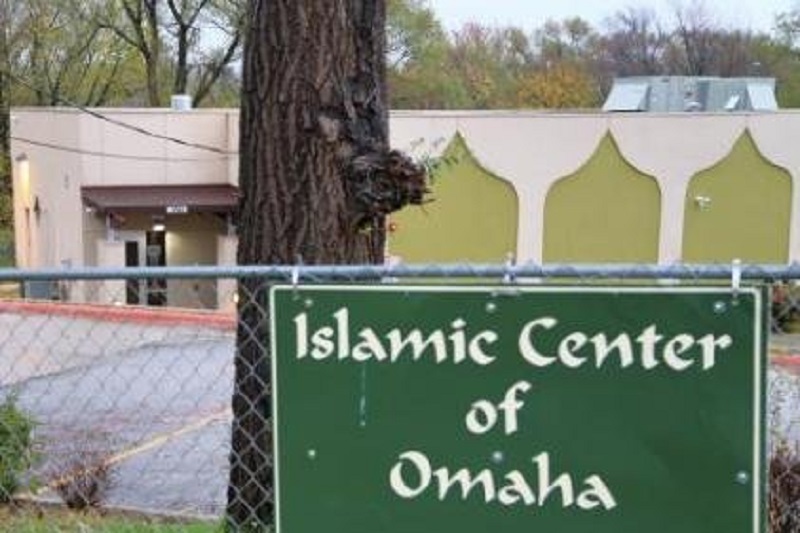
Mosques and Islamic Centers: Serve as spiritual, social, and educational hubs.
-
Example: Islamic Center of America (Dearborn, MI), one of the largest mosques in North America.
-
-
Educational Institutions:
-
Darul Uloom schools and weekend madrassas provide traditional Islamic education.
-
University MSAs (Muslim Student Associations) at UCLA, Harvard, University of Michigan, etc.
-
-
Cultural and Social Organizations:
-
Somali-American associations in Minnesota supporting families, youth, and local businesses.
-
Arab and South Asian community centers organizing arts, language, and youth programs.
-
-
Charitable Organizations:
-
Islamic Relief USA, Zakat Foundation, and other nonprofits provide humanitarian aid and social services.
-
-
Media and Communication Networks:
-
Muslim radio stations, online news platforms, and newsletters promote awareness, culture, and civic engagement.
-

Social and Economic Contributions
Muslim Americans significantly contribute to U.S. society in multiple areas:
-
Business: Entrepreneurs in tech, retail, healthcare, and halal industries.
-
Education and Professions: Many serve as doctors, engineers, academics, and educators.
-
Political and Civic Activism: Advocacy in immigration, civil rights, and social justice continues to grow.
Challenges and Community Resilience
Muslim Americans face challenges such as Islamophobia, negative media representation, and identity balancing. Yet, through resilient community networks, advocacy, and civic engagement, they have maintained strong social cohesion, influence, and visibility in U.S. society.