


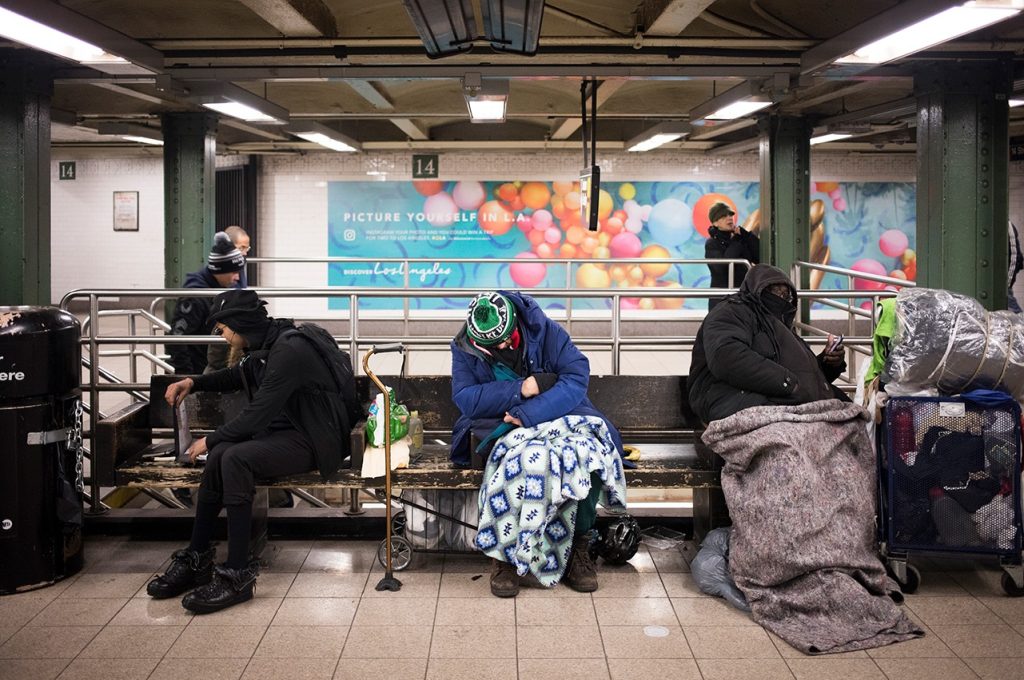
Vital nonprofit organizations in New York City find themselves facing an unprecedented crisis, as major cuts in federal funding are forcing them to scale back essential services, lay off employees, and even consider shutting down programs. A recent report highlights that these organizations—considered the backbone of the city’s social safety net—are already feeling the pressure, with sharper cuts expected in the coming years. This situation poses a serious threat to countless New Yorkers who rely on these services for survival and support.
Nonprofit leaders are sounding the alarm, describing the current landscape as “the greatest threat in a generation” to the city’s social-service infrastructure and the vulnerable populations it serves. Shifts in federal policies have already reduced support for shelters, emergency food programs, and even AmeriCorps initiatives that help nonprofits leverage volunteer efforts. In addition, reimbursements for some healthcare programs have been withheld, adding another layer of financial strain.
Deepening Impact of Federal Cuts on New York’s Nonprofits
While federal officials cite goals such as reducing waste, fraud, and abuse, and restructuring programs like SNAP and Medicaid to increase efficiency, the immediate on-the-ground impact is a dramatic reduction in support for those most in need.
Experts warn that the deepest effects of these funding changes are still looming, with major cuts expected to fully materialize by 2026 and 2027. This period is projected to see significant reductions in homeless-housing programs. Furthermore, new Medicaid work requirements could push thousands of individuals out of their insurance coverage. For nonprofits that rely heavily on these reimbursements, this directly translates into the loss of vital operating funds, worsening an already difficult financial situation.
The grim reality is that some of these essential organizations may be forced to close their doors permanently, leaving wide gaps in the city’s support system. The report—which surveyed 22 organizations—found that federal dollars make up nearly one-third of their budgets, with some relying on federal funding for up to 50% of their operations.
The consequences of these cuts are already visible across the five boroughs. A major food-assistance provider in New York City reported receiving ten million pounds less food this year, severely affecting its ability to fight hunger. Another organization focused on child care had to stop a program that provided weekly food bags to 1,000 people. Community centers offering vital life-skills training were also hit; one Bronx organization was forced to cancel classes designed to teach residents how to prepare nutritious meals on a budget.
Even services targeted at specific vulnerable groups have suffered. A nonprofit dedicated to supporting LGBTQ+ seniors had to end a program serving 1,000 socially isolated older adults and lay off 19 staff members.

New Federal Housing Cuts Intensify NYC Nonprofit Strain
Adding to the crisis is a recent federal decision to drastically cut funding for long-term housing programs, shifting instead to short-term grants with mandatory treatment and work requirements. Federal housing officials argue that the goal is to promote self-reliance and address root causes of homelessness—such as mental-health issues and addiction—while improving public safety.
However, frontline workers express deep concerns. The CEO of an organization providing shelter and supportive housing described a growing “focus on safety” and what he believes is an “overblown” perception that the populations they serve pose a danger to ordinary New Yorkers. He emphasized the irony that caring for these individuals actually makes the city safer overall.
The report notes that at least 46 nonprofits in the city receive funding from these grants to provide supportive housing for formerly homeless individuals with mental-health or substance-use challenges. With most of this funding now at risk, organizations are grappling with the possibility of further service cuts. One group fears it may need to close a building with 75 units for veterans in the Bronx.
Furthermore, some nonprofits are choosing not to apply for new federal grants due to restrictive requirements they cannot ethically or legally comply with—such as provisions that forbid assisting undocumented individuals. This directly contradicts New York City’s “right to shelter” law, which guarantees a bed to anyone who requests one, regardless of immigration status.
To ease the escalating crisis, community leaders are urging the city to create a nonprofit stabilization fund to cover the most urgent needs in food, shelter, and healthcare.