


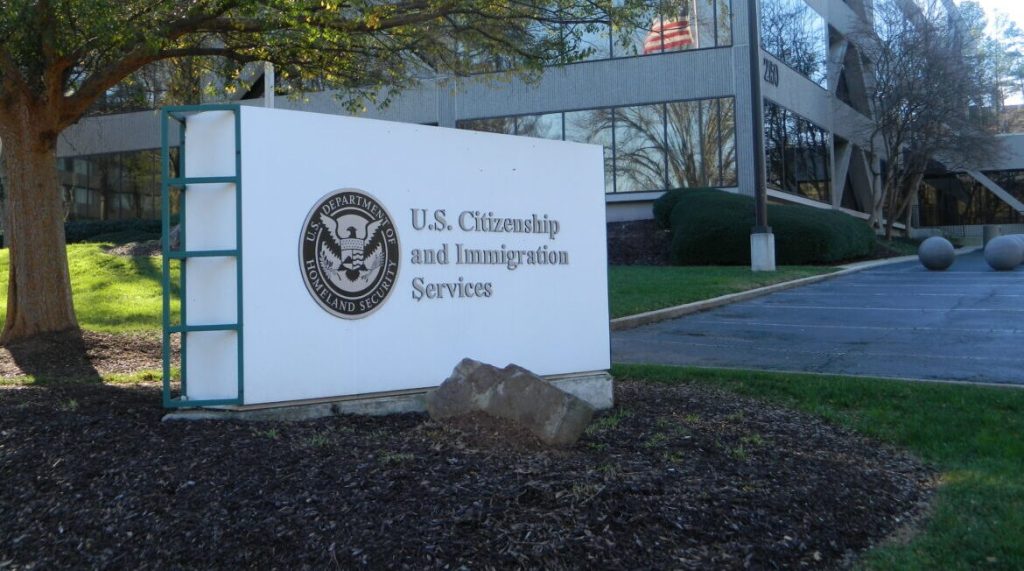
New Yorkers seeking U.S. citizenship now face a noticeably more demanding path. The revised citizenship test, recently implemented, presents a higher hurdle for aspiring new Americans. This updated exam requires a deeper understanding of U.S. history and government, moving beyond simple memorization toward a more comprehensive grasp of civic principles. The change affects tens of thousands of individuals in the metropolitan area who are currently preparing for naturalization.
U.S. Citizenship and Immigration Services (USCIS) introduced these revisions to the civics test, citing the need for a stronger assessment of applicants’ knowledge. Previously, candidates prepared for 100 possible questions; the new framework expands this to 128.
In addition, the passing score has been raised, requiring applicants to correctly answer 12 out of 20 questions—an increase from the previous requirement of six out of ten. This shift aims to ensure that future citizens possess a thorough appreciation of the nation’s values and systems.
Citizenship-test instructors across New York City’s boroughs have proactively adapted their curricula to prepare students for these heightened requirements. Teachers are revamping their courses, integrating new materials, and familiarizing students with the updated format.
The revised exam includes questions that probe the “why” and “how” of American governance, going beyond rote responses. For example, applicants may now be asked to explain the importance of federal taxes, the significance of the Tenth Amendment, or the rationale behind presidential term limits and lifetime appointments for Supreme Court justices.
Organizations dedicated to assisting immigrants through the naturalization process are also revising their educational programs. Institutions that typically serve thousands of students annually are modifying their in-person and online instructions, as well as study aids such as flashcards and videos, to align with the new curriculum. Some courses—such as those offered by public libraries—have extended their duration to accommodate the expanded material and more complex conceptual questions.

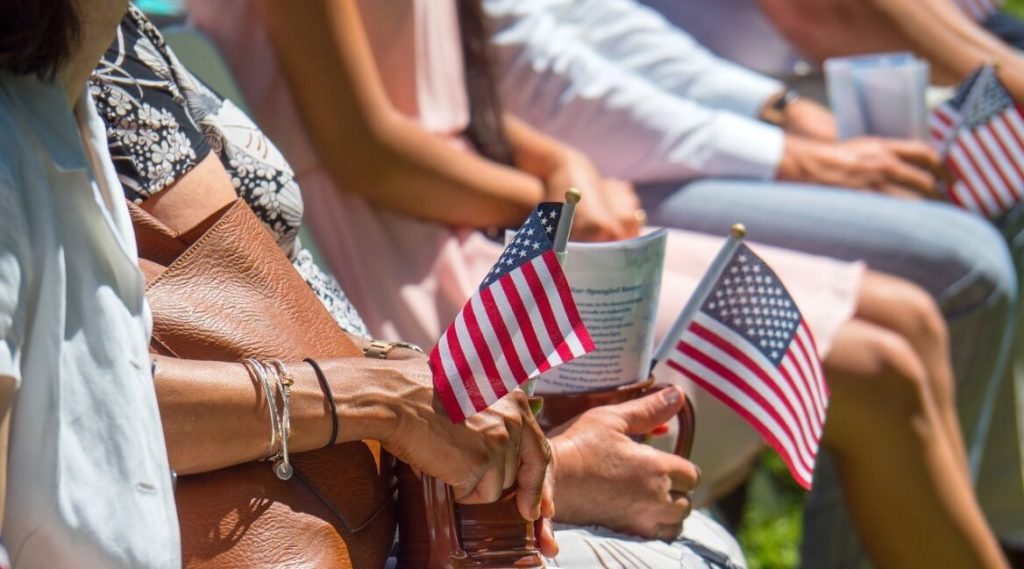
NYC Educators Adjust to Tougher Citizenship Exam
The oral nature of the civics test, combined with its new emphasis on explanations rather than simple facts, poses a particular challenge for some applicants. Instructors note that while diligent students are expected to adapt, those with limited English proficiency may struggle more with formulating the detailed answers now required. The revised questions also include more specific historical details, such as naming five of the original thirteen colonies, an increase from the previous requirement of three.
The introduction of this more rigorous test has drawn criticism from some immigrant-rights advocates. They argue that the revised exam may create an additional barrier, potentially making citizenship less attainable. Concerns have also been raised regarding the recent rise in citizenship-application denials.
Despite these challenges, instructors remain optimistic about their students’ dedication and ability to meet the new standards, emphasizing the perseverance and commitment often shown by naturalization applicants. The new test applies to all citizenship applications submitted after October 20 of this year.