


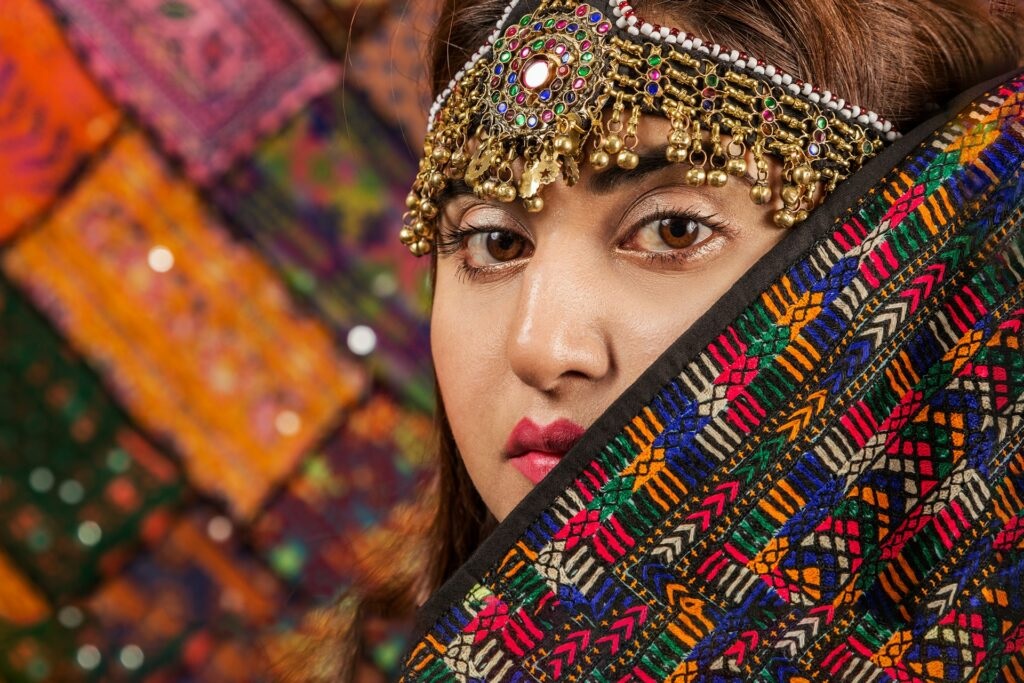
In a world facing crises—from wars and humanitarian disasters to rising Islamophobia—celebrating art might seem, at first glance, indulgent. Yet for CAIR-Philadelphia Executive Director Ahmet Tekelioglu, art is essential.
While planning the inaugural Philadelphia Muslim Communities Arts and Culture Festival, Tekelioglu faced the recurring question: should the community celebrate in the midst of global turmoil? His answer was resolute:“Our community is more than headlines. Our community is beautiful.”
The festival, held on November 22 at Temple University’s Performing Arts Center, reflected that philosophy. Organized collaboratively by CAIR–Philadelphia, the Islamic Cultural Preservation & Information Council (ICPIC)/New Africa Center, and Muslim City Fest, the event brought together diverse performers and presentations.
Celebrating Art, Culture, and Faith at the Philadelphia Muslim Communities Festival
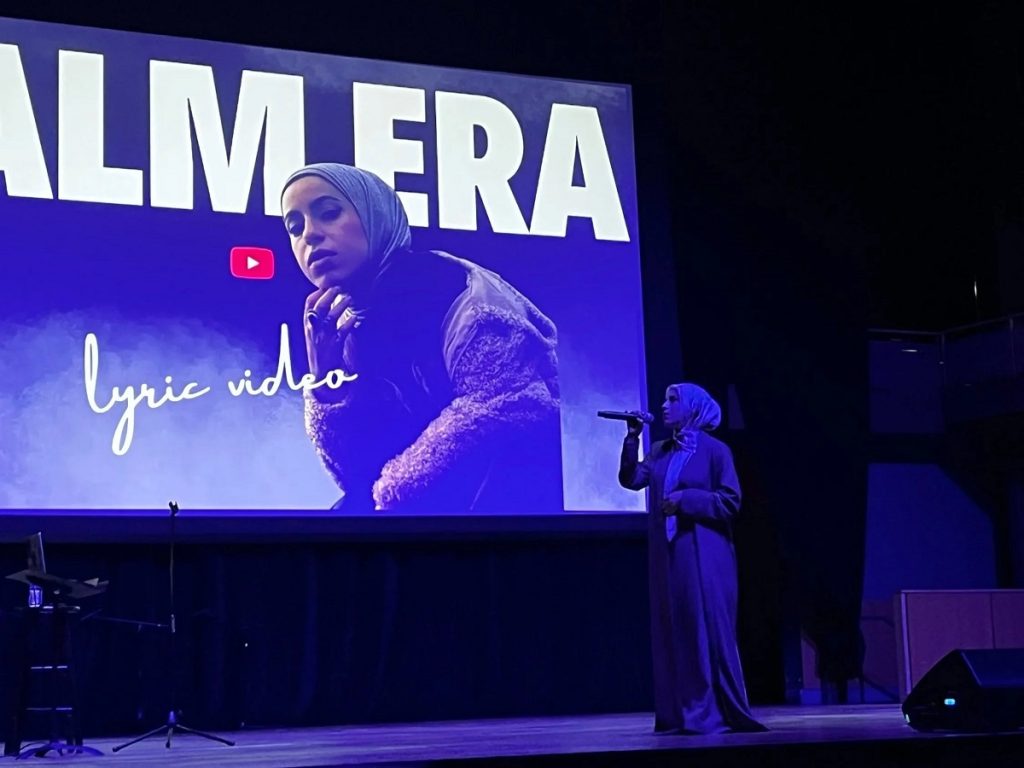
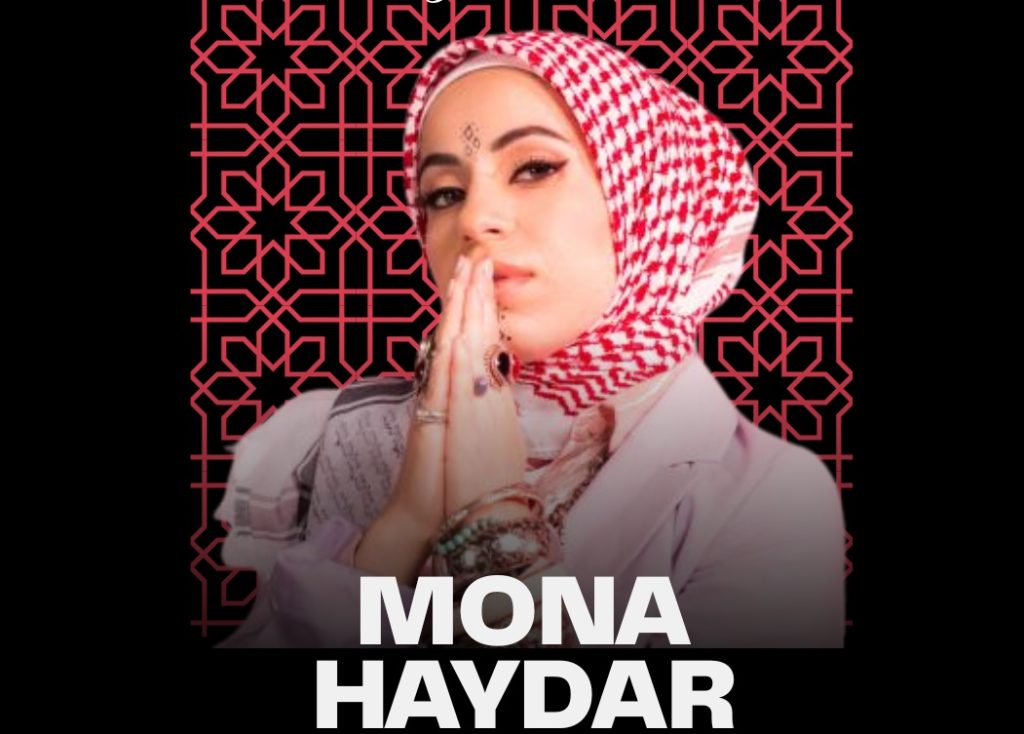
Highlights included Modero & Co’s Indonesian dance and music, the Universal African Dance & Drum Ensemble, a tatreez presentation by Palestinian-American Samar Dahleh, and performances by Syrian-American rapper Mona Haydar. Each performance underscored art as a form of resistance, celebration, and community empowerment.
Haydar captivated audiences with songs like “Wrap My Hijab” and a moving performance of the Palestine-inspired “A Day Will Come.”
Dr. Su’ad Abdul Khabeer, anthropologist and fellow at the Institute for Sacred Music at Yale University, closed the festival with her one-woman show “Sampled.” Her work explores intersections of anthropology, cultural history, and community storytelling, illuminating everyday Muslim experiences that are often overlooked.
“Mothers worry about passing traditions, anti-Black racism in Islamic schools, and surveillance over communities,” Khabeer said. “I bring these stories to life on stage, inviting reflection, engagement, and action.”
While Khabeer focused on personal narratives, Ustadh Ubaydullah Evans explored art’s spiritual significance. “Art and creativity are primary to Islam, not secondary,” he said. “There is a place in Islam for levity. There is a place for celebrating beauty.”

Art as Resistance and Cultural Survival at Philadelphia’s Muslim Festival
Evans emphasized that Islamic history is too often told solely through scholars, ignoring artisans, musicians, and poets who shaped its culture. Reflecting on his own high school conversion to Islam, inspired by hip hop, he illustrated how art precedes doctrine, answering humanity’s innate longing for beauty.
“Islam aims to vivify and beautify the entire human condition,” Evans stated.
Sinta Penyami Storms, founder of Modero & Company, shared her mission to bridge historical and contemporary Indonesian culture. Highlighting the diversity of Muslim practices in Indonesia, she said:
“Indonesia is not a monolith. Muslims aren’t a monolith. We live side by side, and that’s the harmony we wanted to show.”
Storms collaborated with CAIR for over a year to bring Modero to the festival, preserving Indonesian-Muslim heritage in Philadelphia—a space where Muslim culture is often underrepresented. She noted that post–9/11 fear has limited public expression of Muslim identity, making festivals like this crucial for cultural visibility and education.
Audience engagement was high, with questions about reconciling cultural practices with faith and inquiries into Quranic teachings. Evans encouraged participants to reflect on their roles in shaping Islamic-American culture.
Khabeer stressed the power of art as both resistance and survival:“My ancestors were enslaved… We’ve been through the worst. Art is how we survived, released, and challenged the world. Art comes through when things break.”
Ultimately, the festival demonstrated Tekelioglu’s opening message: Muslim communities are not defined by crisis alone. Celebrating art rooted in history, faith, and everyday life fosters unity, resilience, and empowerment, proving that creativity is a vital tool for cultural survival—not a luxury.
Evans emphasized that Islamic history is too often told solely through scholars, ignoring artisans, musicians, and poets who shaped its culture. Reflecting on his own high school conversion to Islam, inspired by hip hop, he illustrated how art precedes doctrine, answering humanity’s innate longing for beauty.
“Islam aims to vivify and beautify the entire human condition,” Evans stated.
Sinta Penyami Storms, founder of Modero & Company, shared her mission to bridge historical and contemporary Indonesian culture. Highlighting the diversity of Muslim practices in Indonesia, she said:
“Indonesia is not a monolith. Muslims aren’t a monolith. We live side by side, and that’s the harmony we wanted to show.”

Celebrating Muslim Art: Visibility, Resilience, and Cultural Survival
Storms collaborated with CAIR for over a year to bring Modero to the festival, preserving Indonesian-Muslim heritage in Philadelphia—a space where Muslim culture is often underrepresented. She noted that post–9/11 fear has limited public expression of Muslim identity, making festivals like this crucial for cultural visibility and education.
Audience engagement was high, with questions about reconciling cultural practices with faith and inquiries into Quranic teachings. Evans encouraged participants to reflect on their roles in shaping Islamic-American culture.
Khabeer stressed the power of art as both resistance and survival:“My ancestors were enslaved… We’ve been through the worst. Art is how we survived, released, and challenged the world. Art comes through when things break.”
Ultimately, the festival demonstrated Tekelioglu’s opening message: Muslim communities are not defined by crisis alone. Celebrating art rooted in history, faith, and everyday life fosters unity, resilience, and empowerment, proving that creativity is a vital tool for cultural survival—not a luxury.