


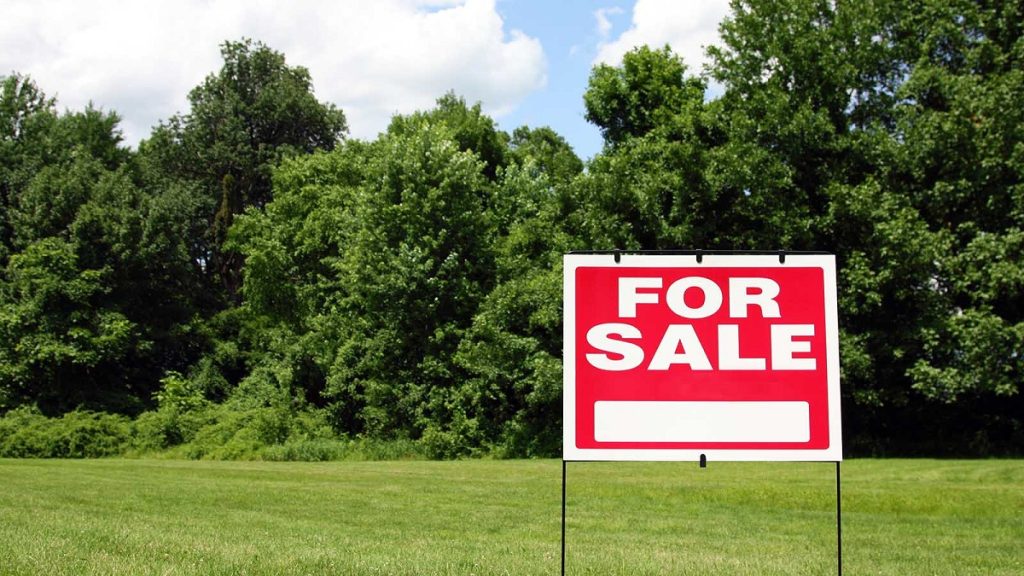
The United States is one of the largest countries in the world, with vast areas of vacant and buildable land. These lands—whether in cities, suburbs, or rural regions—represent an attractive opportunity for communities seeking stability, long-term investment, or the creation of community-centered projects. Among these communities, Arab and Muslim families have shown growing interest in land ownership, not only to build private homes but also to establish businesses, cultural centers, and mosques.
1. Availability of Buildable Land in the U.S.
According to real estate surveys, millions of acres of land in the U.S. remain undeveloped. Buildable lots are especially available in states such as:
-
Texas, Florida, and Arizona – known for rapid growth and affordable land outside urban centers.
-
Midwestern states like Ohio, Michigan, and Wisconsin – where land values are lower than the national average.
-
Rural areas in the South and West – offering large tracts suitable for housing or agriculture.

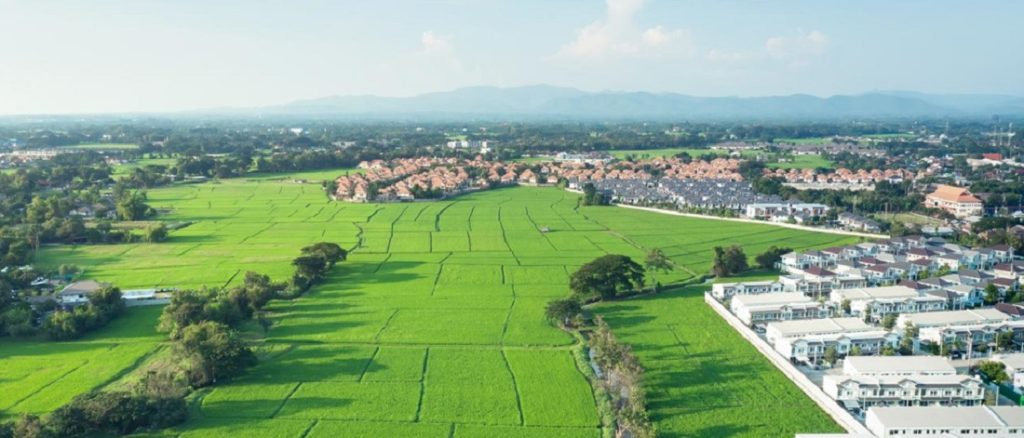
2. Can Arab and Muslim Communities Buy Land?
Yes. U.S. law does not discriminate based on nationality or religion in property ownership. Both U.S. citizens and foreign nationals can purchase land. For Arab and Muslim communities living in the U.S.:
-
Private Homes – Many families buy plots to build custom houses that fit cultural needs (such as larger kitchens or prayer spaces).
-
Commercial Projects – Entrepreneurs often invest in land for restaurants, grocery stores, or halal butcher shops.
-
Community Projects – Land is sometimes purchased for building mosques, Islamic schools, or cultural centers.
3. Challenges and Considerations
While opportunities exist, buyers must be aware of key factors:
-
Zoning laws – Local governments regulate how land can be used (residential, commercial, agricultural).
-
Infrastructure costs – Vacant land may require utilities (water, sewage, electricity) before building.
-
Financing – Some banks hesitate to finance land purchases, especially for foreign buyers, but Islamic financing options and community credit unions are growing.
-
Property taxes – Landowners must pay annual taxes, which vary by state and county.
4. Long-Term Benefits for the Community
For Arab and Muslim families, land ownership provides both economic security and cultural continuity. By investing in real estate, families can:
-
Build multi-generational homes.
-
Preserve traditions of hospitality and family gatherings.
-
Establish businesses that serve both the Muslim community and the wider American public.
-
Create centers of faith and culture that strengthen identity.

Conclusion
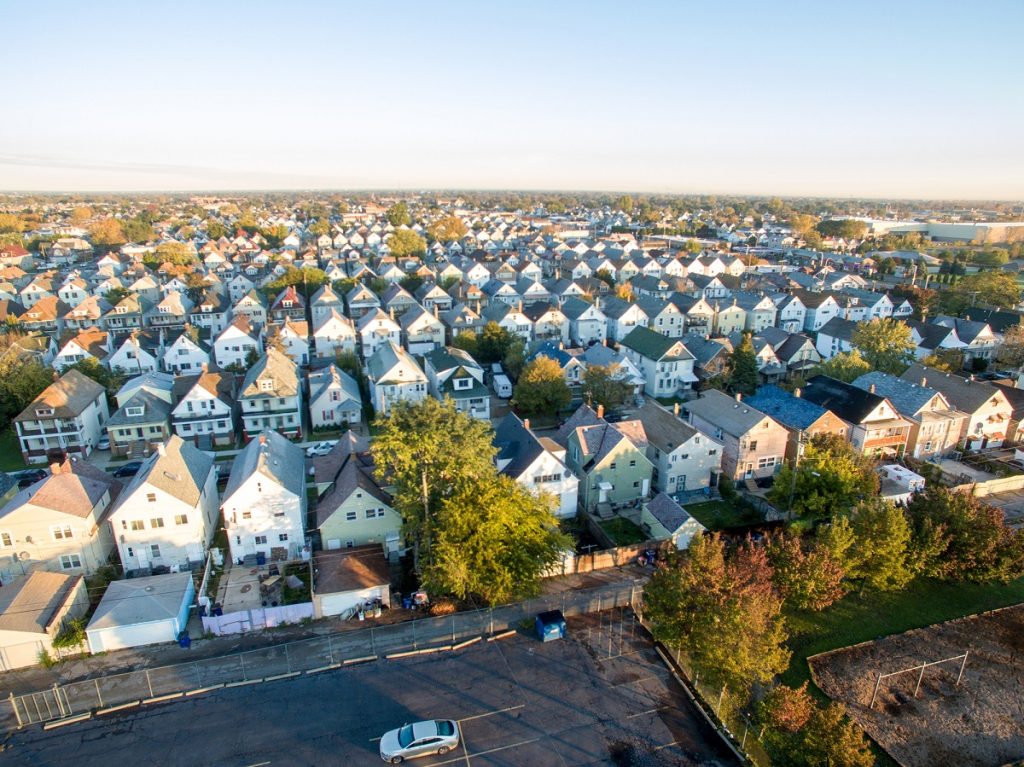
The vacant lands of America hold vast potential. For Arab and Muslim communities, they represent not only a chance for financial growth but also a path to building spaces that reflect their values and traditions. With careful planning, legal awareness, and community cooperation, land ownership can become a powerful tool for both integration and cultural preservation in the United States.